Archives for posts with tag: Ireland

A stray tweet in TAM London a few weeks ago has lead to my setting up, with three other comrades in arms, Cork’s first Skeptics group in the city.

We are busy working on the agenda and details for our first meeting, which will take place in Blackrock Castle on Thursday next, November 25th at 8pm. We have a Twitter account and a Facebook page already, some posters on the way and a website in the works too, where we can post all sorts of stuff and nonsense.

The group is part of the global Skeptics in the Pub movement, where people come together to share stories and to discuss a wide range of topics, from pseudoscience to proper science, medicine to alternative medicine, parapsychology to psychology, and goodness knows what else.

I just want to say that I’m really appreciative of the work everyone is putting in. We have Dylan Evans from UCC lined up to do a speech on Alternative Medicine on Thursday and I’m hoping I can get a few more people to talk to us over the coming months. We hope to meet every month in Blackrock Castle. The Castle has a great café with a full drinks license. We couldn’t have asked for a better location and meeting room.

If you have any ideas or suggestions on what else we can do to get the group off the ground, I’m all ears.

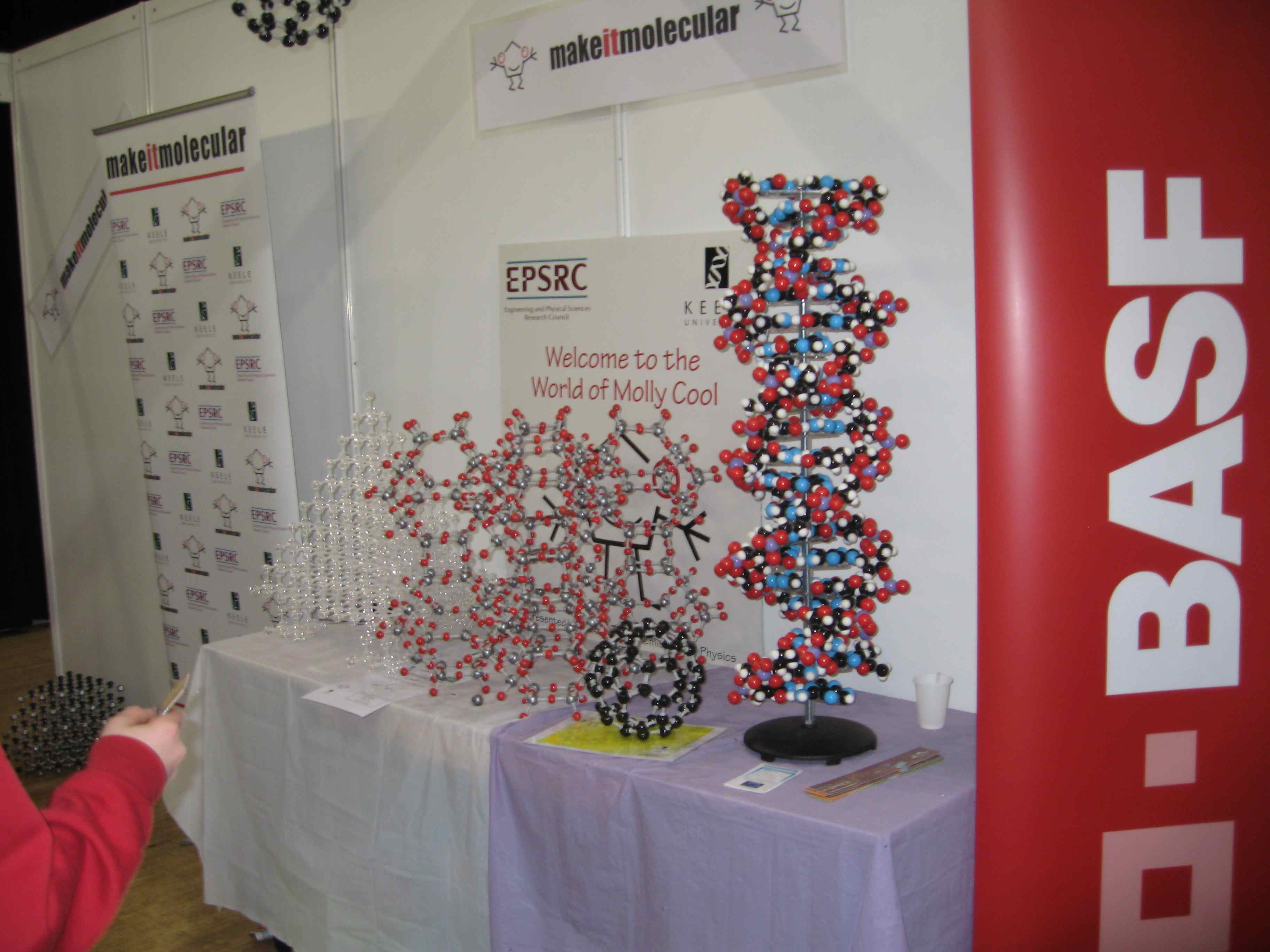
Today, I brought my kids along to the Discovery 2010 exhibition in Cork’s City Hall. The show is the centrepiece of Science Week in Cork and it features exhibitions from CIT, UCC, Blackrock Castle Observatory, the Tyndall Institute, Lifetime Labs and many more.

There were tons of interactive displays. The Alimentary Pharmabiotic Centre were showing the kids petri dishes full of bacteria and luminescent microbes from the deep sea. There were Venus flytraps and molecular construction kits in the UCC stall, as well as a strange game that allowed two contestants to challenge each other using mind waves alone. The Tyndall display had a lot of of weird electronics on show, from photoelectronics to nanotechnology to wireless sensors. Pharmachemical Ireland were showing lot of hand-on demonstrations including a great explanation of keyhole surgery. Across the way, the Cork Electronics Industry Association were displaying magnetic levitation (MAGLEV) technologies using flying saucers and rotating spheres.

The Defense Forces and Gardai were there too. The Defense Forces had a highly informative display on land-mines and bomb-disposal. They even a heavy kevlar bomb-protection suit for people to try on for size. The Gardai were handing out high-visibility vests and armbands to all the kids.

Blackrock Castle Observatory were there with the StarDome – a mobile planetarium used as part of their astronomy outreach program. I managed to squeeze myself and the kids in for the last showing of the day. Inside was an informative surround-movie depicting a solar eclipse from the perspective of a base on the Moon. My kids gave it the thumbs up as their favorite exhibit of the show.

I was also highly impressed by some of the demonstrations by the Lifetime Labs people, showing how to make simple batteries out of lemons. They tell me that you would need 500 lemons to light up a small incandescent bulb, so if I notice my kids storing lemons everywhere, I’ll figure out quickly what is going on.

Scattered throughout the show area are many interactive displays. What particularly caught my kids’ attention was a revolving planet model that went beautifully turbulent if you suddenly stopped its motion.

Not only were the displays impressive, some of the people at the show had interesting and inspirational stories to tell. I spoke briefly to Ms Xiao Fang Zhang, who won the European Laurate of Innovation Award for the invention of an air-bubble extractor – extremely important for intravenous infusions of any sort. She is a student of Mechanical Engineering in CIT and is currently studying for her PhD.

The show is well worth bringing the children to. The exhibits are hands-on and geared to what kids are interested in. There is a sense of energy and fun amongst the exhibitors. In brief, the organisers have done a great job and the kids will love it.

A few years ago, the Irish National Archives digitised  the census documents of 1911 and put them all on the Internet for us to see. Long-forgotten grandparents and great-grandparents were suddenly transformed into young fathers and mothers, small children and teenagers. New names were introduced to us. We were given a feeling for their occupations, their family circumstances and their positions in society. Limited though the census documents were, these people who lived a hundred years ago came to life in front of our eyes. This was the Internet at its best, providing us with a window into history.

I’m reminded of this because Google Inc. recently opened Street View to the country of Ireland. Almost every road and boreen has been mapped and it all now comes to us in full 360 degree panoramas, each image no more than 10 metres apart, covering 80,000 kilometres of roadway; terabytes upon terabytes of information freezing the Ireland of 2009 and 2010 in perpetuity.

What a treasure trove of information for the future historian. It is now possible for our children’s children to see Ireland exactly as it was during this time. They will see our dress, our cars, our gardens, our farms and our workplaces. They will witness history in the making as the Irish boom economy shuddered to a dramatic halt: the newly constructed motorways and bridges alongside the empty buildings and ghost estates; the Polish and Lithuanian shops that signified a new era of multiculturalism and the wind turbines making their appearance over the landscape as we began the painful process of weaning ourselves off the seductions of fossil fuel.

Presumably these Street View images will be updated regularly, so not only will it be possible to see Ireland as it once was, but also how our country changes gradually throughout the century. I’m assuming, of course, that all these records will not be erased; a reasonable assumption should Moore’s Law continue to hold sway over the coming years.

If there is a snag, it is that all this data is the property of a successful private company whose primary interests do not necessarily coincide with those of the citizens of a sovereign state. Although there is no sign that Google are carrying out this mapping effort with anything other than the best of motives, whether they will continue to act benevolently and responsibility with such information is a difficult question to answer. A hundred years is a long time – long enough for industries to grow and disappear and for companies to change utterly from what they once were, if they exist at all. Public information – photos of many the roadways throughout the world – has been privatised. Governments should now be thinking about how that information should be placed, eventually, back into public hands.

With Street View, Google have created a resource of unimaginable value for future historians. Here’s hoping it’s there for all to see in the years to come.

Conor Lenihan, junior minister for Education and Science in the Irish government, must be reeling from the storm he found himself in yesterday. After accepting an invitation to launch a book debunking Evolutionary Theory, he was lampooned and ridiculed with a ferocity I have rarely seen on the Internet. Here are a selection of the comments on Twitter.

“Maybe the author told Conor that it was a book about Job Creationism.”

GSheehy

“Ye Minifter for ye Sciencef of ye Kingdom of Prefter John sendf salutationf&wishef of good health to ye Minifter for Alchemy, Mr Lennyhan.”

– janeruffino

“Conor Lenihan may be late for Wednesday’s book launch as he’ll be trying to rake the moon out of the pond with a hoe.”

Charlieconnelly

And these are just the nice ones.

Lenihan says that he is a friend of the author, that he was attending the book launch in a personal capacity and that doing this for constituents is something public representatives often do. (The author’s website advertised his presence as Junior Minister of Education – this was later changed).

Late last night, the author withdrew his invitation, but you would wonder how the minister is feeling today. If he is feeling wronged, that he was subjected to an attack by the media and the intelligensia, he is missing the point. The reason he got such a strong reaction is because of his cluenessness on this issue. He can no more claim “personal capacity” than if he was attending a UKIP friend’s campaign launch at the launch of the Lisbon referendum. On one hand, we have a government that supports the advancement of science, but on the other hand we have a minister tacitly supporting a book which, no matter which way you cut it, is vehemently anti-science right from page 1. The optics here are terrible. Evolution is one of the strongest theories in science, backed up by over a century of solid evidence, and fundamental to diverse studies such as biology, medicine, genetics and geology. Even someone with a rudimentary understanding of science would understand this. Giving a platform to a man whose only argument is “I am too ignorant to understand it, therefore it cannot be true” is just mind-blowing. Whether he realises it or not, it is very embarrassing for our country’s image abroad, not to mention to him personally.

Maybe, Minister, it’s time you stepped down from your position, took some time to read a few books and not just those with big coloured pictures on them.

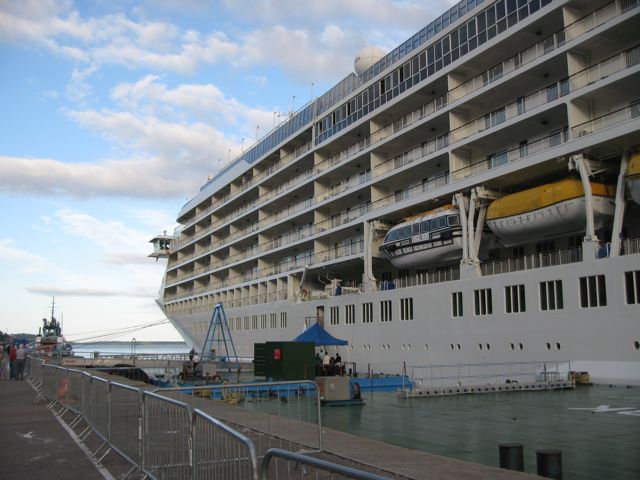
The World cruise ship came to Cobh yesterday. It will be berthed in Cork Harbour for the next two days. It’s an interesting concept: the passengers own their cabins and many of them are long-term residents. It’s like a floating apartment block where the view outside the front window is constantly changing. A way of living that chases the summer around the globe, if you like.

Here are some pics from yesterday evening.

I think I was around fifteen years old. The elderly Christian Brother teaching us Religious Studies brought us all downstairs to the video room. The lesson for the day would be a documentary on Our Lady of Garabandal, a supposed “apparition” of Mary somewhere in Spain. The key message from the programme was the Blessed Virgin’s unhappiness with the world. Unless we started saying the Rosary pretty darn quick, terrible unspecified things would happen. No discussion, no criticism. We were expected to accept all of the programme’s premises at face value.

This was a major downside of an Irish Catholic education in the 1980’s. Alongside fairly solid subjects such as maths, science and the foreign languages, we were schooled in rank superstition. This was not educational, it was anti-educational. We left school in possession of a rather toxic mindset: that if a person was wearing the right clothes or had the right prefix before his name, or the right suffix after his name, then you were expected to accept that he was telling the truth, no matter what rubbish he was uttering from his mouth.

I was reminded of this a few days ago when friends of mine were discussing alternative medicine cures for various ailments. There was no analysis, no criticism. The proof was in the anecdote and the anecdote was the gold-standard.

Then there was the hubbub at Knock a few months ago, attracting thousands to witness Joe Coleman muttering nonsense into the middle distance. Many of us might laugh, but it served as a reminder that the Ireland of the moving statues hadn’t gone away, you know.

Pick up any local paper and you will find ads for peddlers of the most outrageous woo, from Chinese medicine to homeopathic treatments to new age crystal remedies. And how could we forget the pyramid schemes and the property bubbles that hit the country over the past few years? It all points a vulnerability common to us all. You might not beat the Irish, but fool us you can, and fool us you do. Every single day.

It’s all quite depressing stuff. If you want to make make a fast buck using nothing but smoke and mirrors, Ireland is as good a place as any to try your hand.

Now, I know that belief in the miraculous, the supernatural and the magical is a worldwide phenomenon. Most societies are steeped in it and it will be with us as long as our species breathe on this planet. Nevertheless, wouldn’t it be good for all of us if our kids were better prepared to accept things more on evidence than on hearsay? Wouldn’t it be better if we were taught how our brains can play tricks on us and how to avoid the more common mistakes? Wouldn’t it benefit us to quickly recognise manipulation by others? Our education system somehow avoided this aspect of our schooling and the results are everywhere to be seen.

The Irish education system, or should I say, the Catholic education system of Ireland (sadly these expressions are synonymous), didn’t dwell too much on such questions, lest we peered too closely at the shaky foundations of Catholicism’s own dogmas and diktats. We were, of course, taught to think critically, but critical thinking had its limits.

I would love to say that the system has improved greatly since I left school and that we are turning out school-leavers who have a much better handle on reality, but I fear that change has been glacially slow. I stand to be corrected in this regard.

It’s another reason why a Catholic education is not necessarily the best education for our schoolchildren. We deserve better. It’s time we got better.

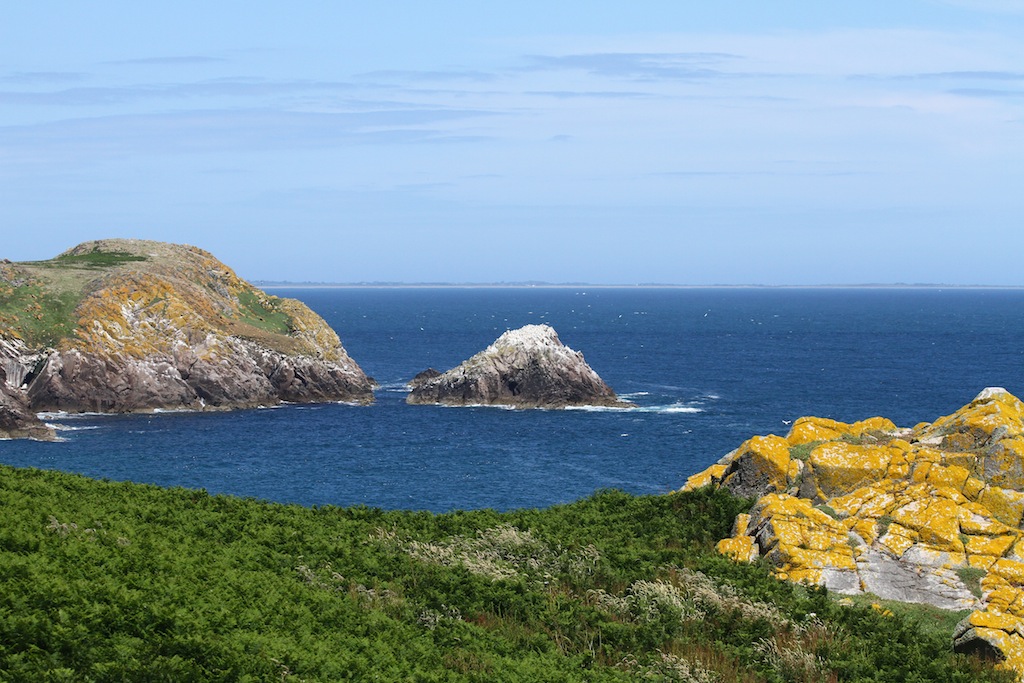
We’re just back from a journey to the Saltee Islands in Co. Wexford. The islands are home to some of Ireland’s largest sea-bird colonies. Many of the birds on the island are relatively rare on the mainland.

After a mad morning dash through south Wexford, we took the boat from Kilmore Quay at 11.00. A small group of day trippers accompanied us on our journey. We travelled there on a powerful motor boat, transferring to a dingy in order to reach the shore.

There are some very bizarre statues and monuments on the main island, built by “Prince Michael the First”, the first owner of the place. There is even a stone ceremonial throne behind the family home. The Saltee Islands have their own flag and coat of arms, but perhaps rumours of a secession from the Irish Republic are premature.

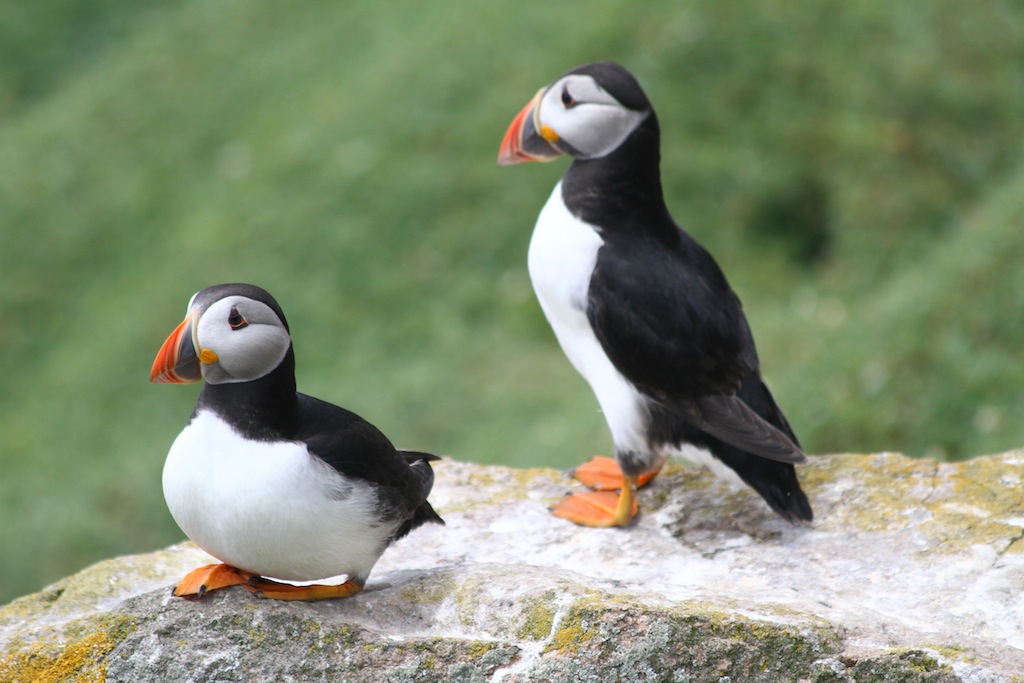
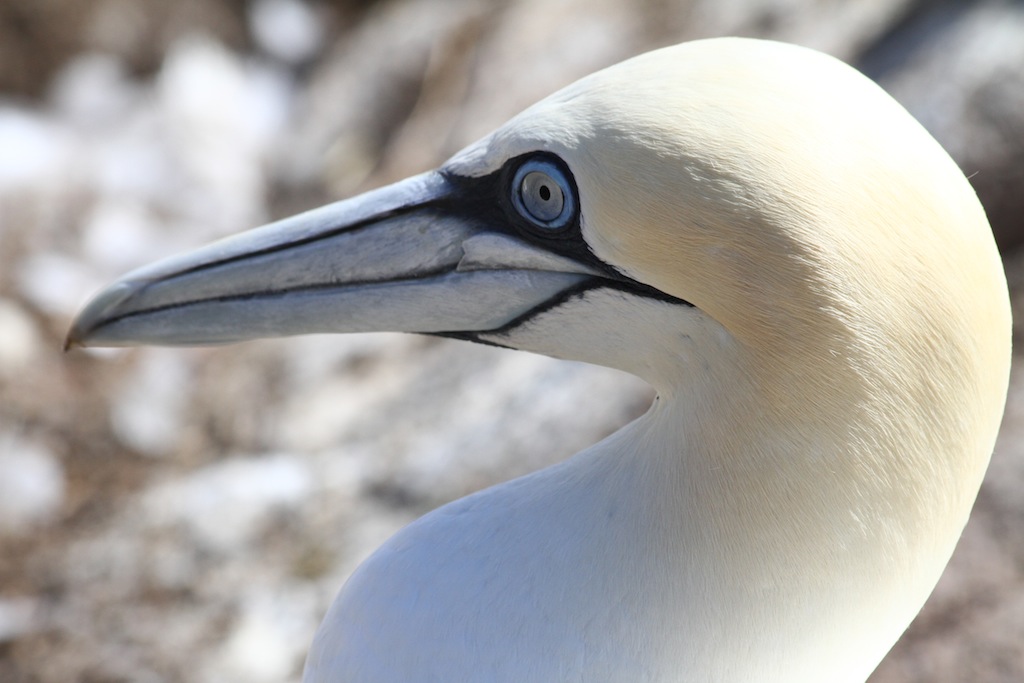
The Great Saltee is home to large colonies of gannets, razorbills, guillemots and kittiwakes. Puffins, coromorants, shags, fulmars, choughs, herring gulls and black-backed gulls were also commonplace around the island. The largest colony of gannets is at the far western end of the island and, incredibly, you can walk right up beside these large birds. They appear unperturbed by humans, despite the fact that they are all looking after chicks of various different ages and sizes. Not so the black backed gulls. Come close to a nest and you will be swooped on by an anxious parent until you leave the immediate area.

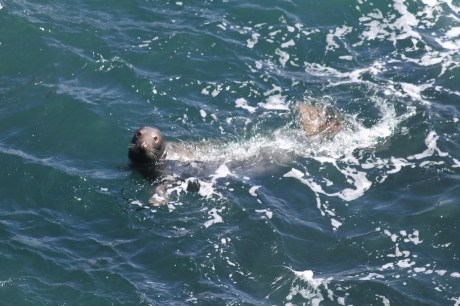
The seas were dotted with seabirds of all shapes and sizes and every now and again large seals could be seen diving in the numerous inlets. Why the seals appear here in such numbers, I have no idea.

We spent a lot of time walking along the southern coastline, taking in the sights and sounds. July is a great time to go as most birds are still nesting and chicks are in their abundance.

Our trip lasted from 11.00 am until 4.00 pm. The five hours go by very quickly. For birders and non-birders alike it’s a great place to go for a day trip.

Photos by Claudia Wagner

The wonder of Twitter. I’m 7,000 km from Ireland at the moment and yet I probably heard the announcement about George Lee, leaving the Irish parliament faster than many of my compatriots. The excitement that this generated was tantamount to an explosion going off at the heart of the Irish political system. It causes no end of problems for Fine Gael, the largest opposition party in the state, and it calls into question the system’s ability to attract the brightest and best the country has to offer.

Successful politicians are grafters. They have an innate instinct for saying the right things to the right people. They have thick skins and they are comfortable in the heat of battle. Most of all, they will do everything possible to keep their constituents happy, helping them to sort out problems with leaking drains and noisy neighbours. They play an uneasy game, always attempting to balance their own needs for power and influence with the concerns of those who elected them. The longest lived politicians are not, perhaps, the best and the brightest, nor the most passionate about leadership and change, but those who know how to play the game the best. The result is a system where the best way to be become the leader is to be born into the right family, and to learn the craft at an early age.

So it is with most occupations in life, professional and amateur. There are rules, both overt and covert. You play them well, you win. You don’t need to be the best or the most able, just particularly well adapted to the rules of the system.

George was well adapted to the rules of journalism. He is an acute observer of politics and statehood, but it doesn’t seem as if the game of politics played to his strengths all that much. It’s a pity, because he clearly had a lot to say. He had passion and a desire for change. He was bright and articulate and he clearly has the abilities of a leader, as many listen keenly to what he has to say.

So we may complain about our politicians, but in reality they are normally only a product of the system that creates them. We can change the leadership or replace the government, but unless that system itself is changed, nothing of substance will happen.

Micheal Martin, Irish Minister for Foreign Affairs, opposing attempts by Islamic States to make defamation of religion a crime at UN level, 2009:

“We believe that the concept of defamation of religion is not consistent with the promotion and protection of human rights. It can be used to justify arbitrary limitations on, or the denial of, freedom of expression. Indeed, Ireland considers that freedom of expression is a key and inherent element in the manifestation of freedom of thought and conscience and as such is complementary to freedom of religion or belief.”

Just months after Minister Martin made this comment, his colleague Dermot Ahern introduced Ireland’s new blasphemy law.

(via Blasphemy.ie)

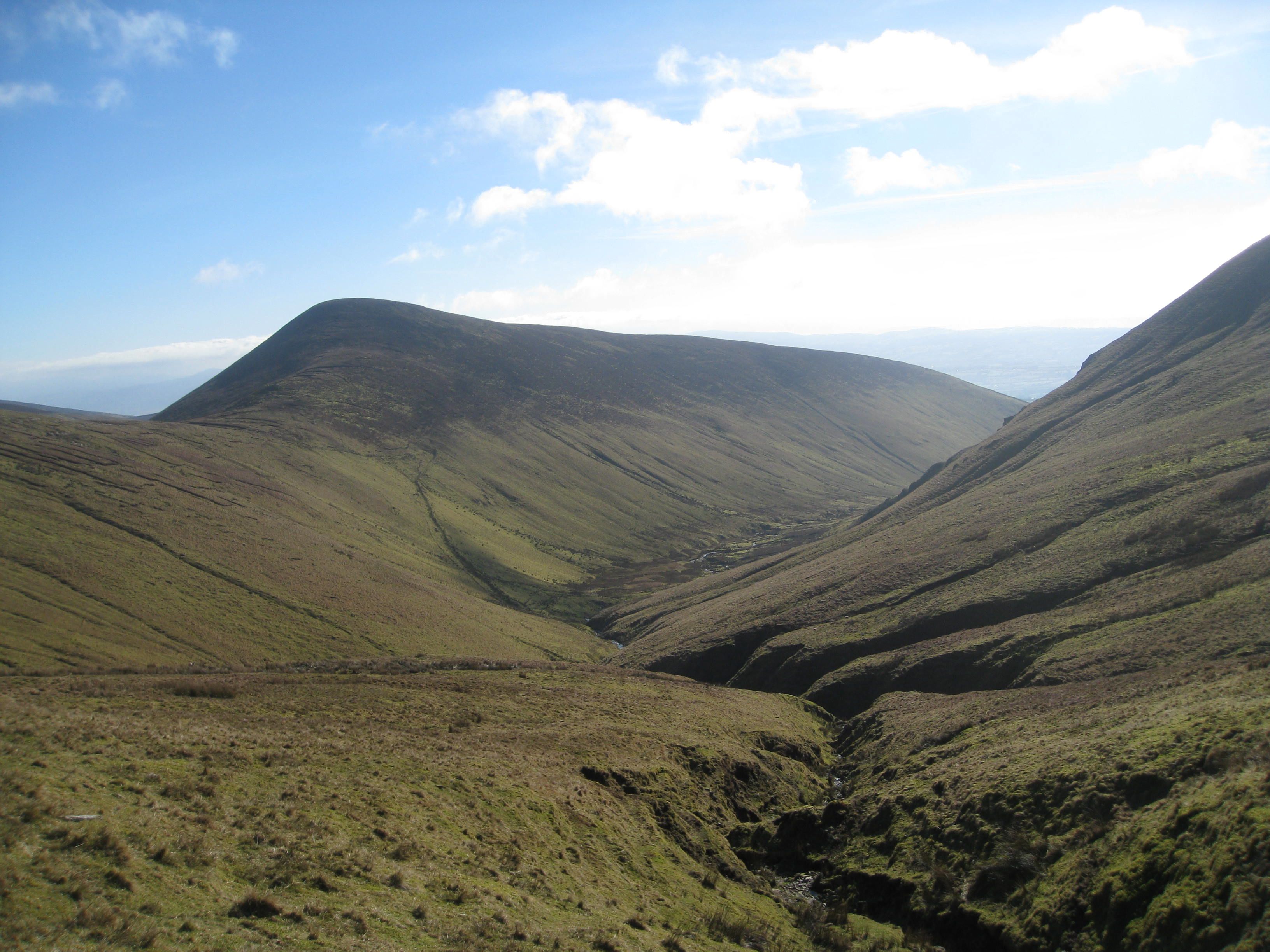
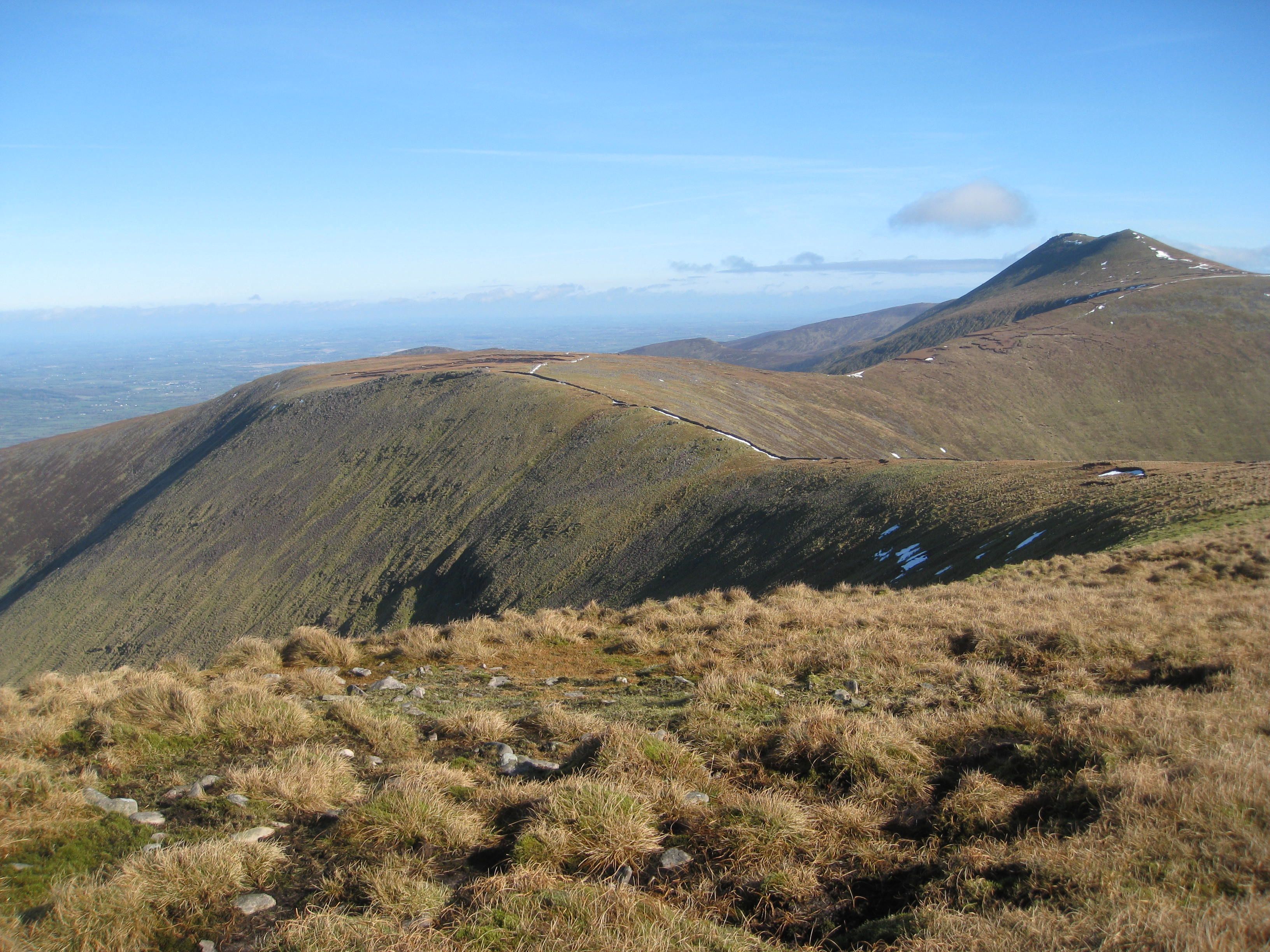
Here are some of my favourite pictures from 2009. Click on any of these photos to enlarge.

February 2009 – Galtee Mountains, Co. Tipperary

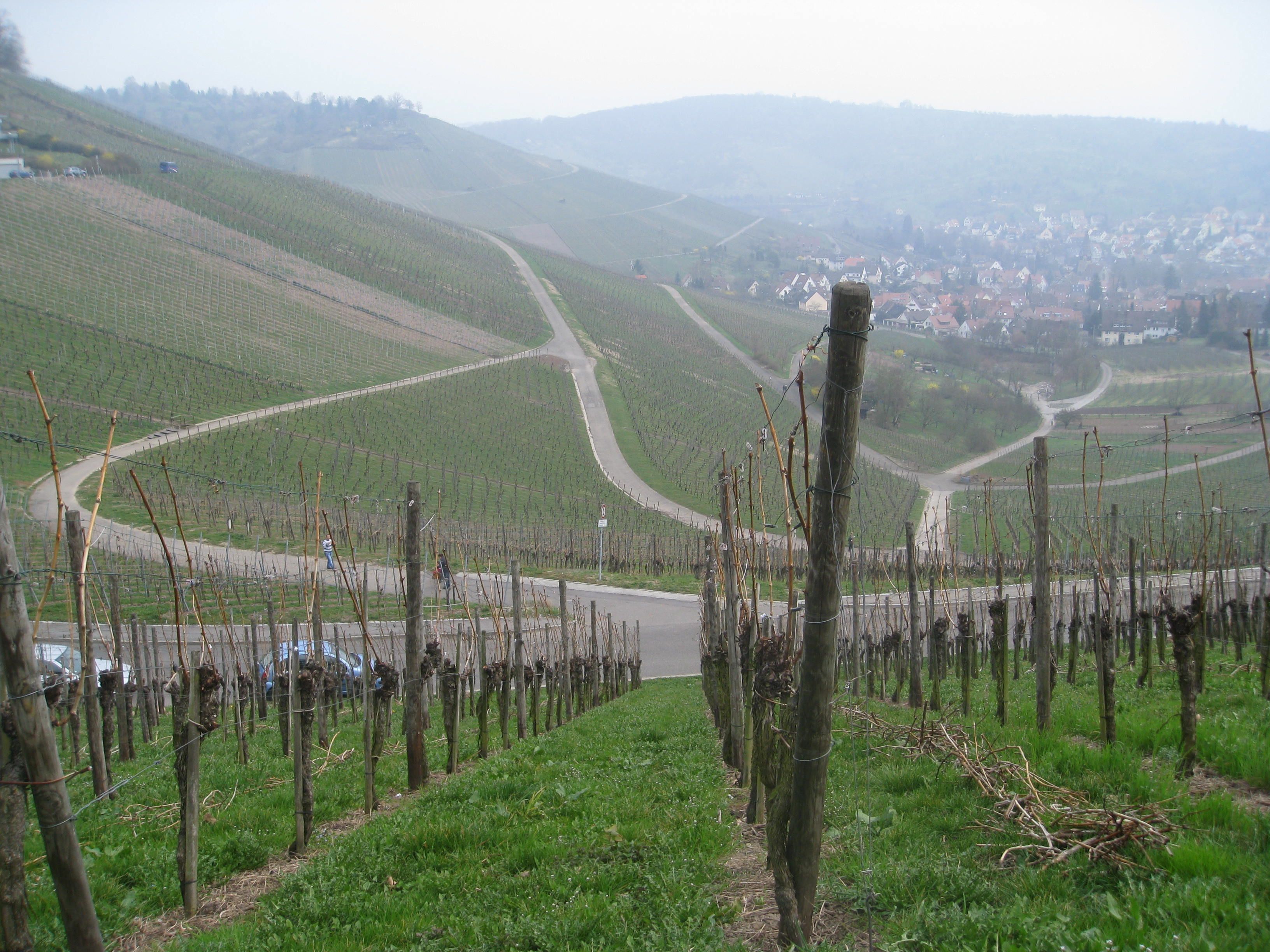
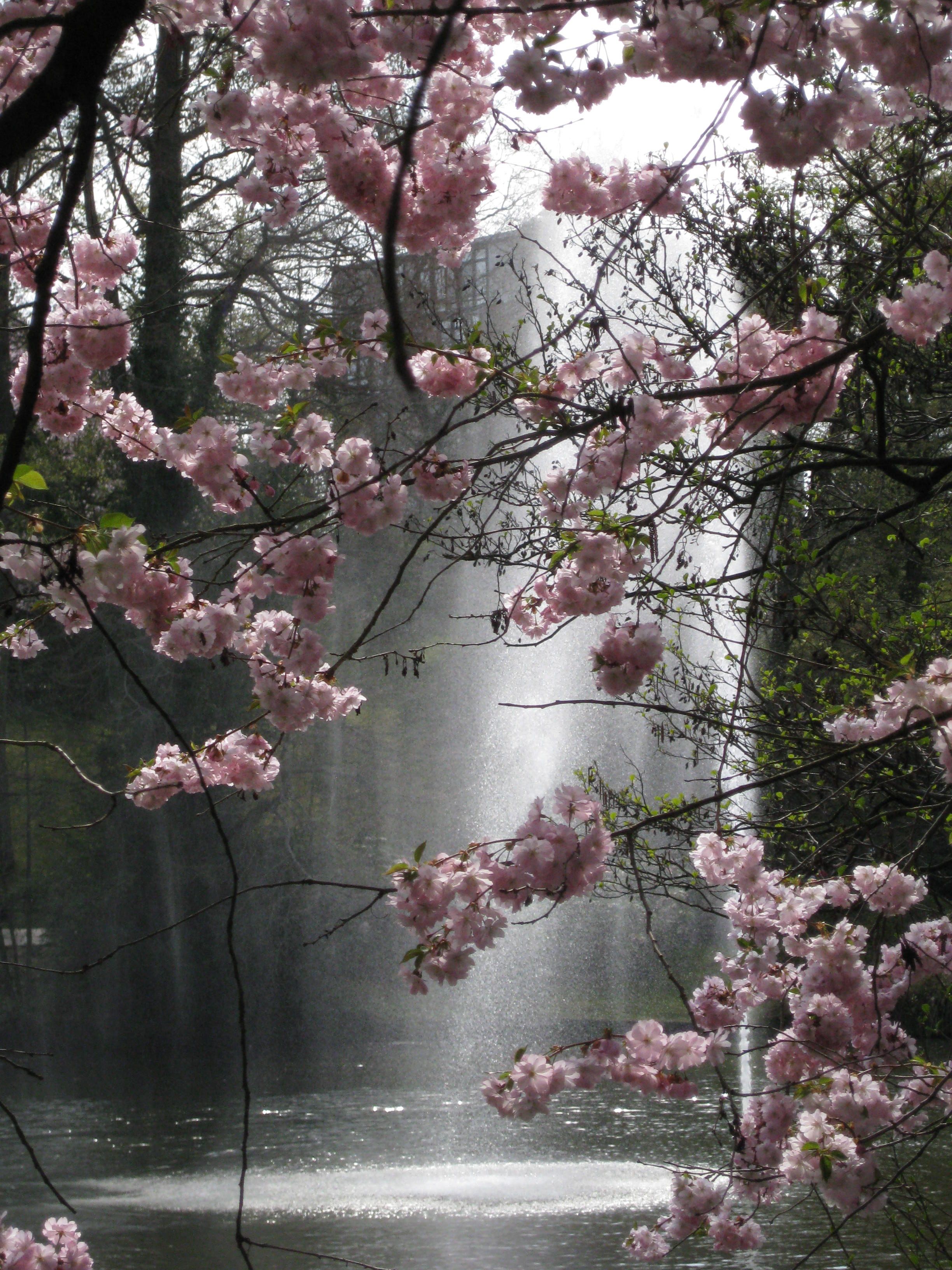
April 2009 – Germany (Wiesbaden and Stuttgart)

May 2009 – Glenmalure,Co. Wicklow

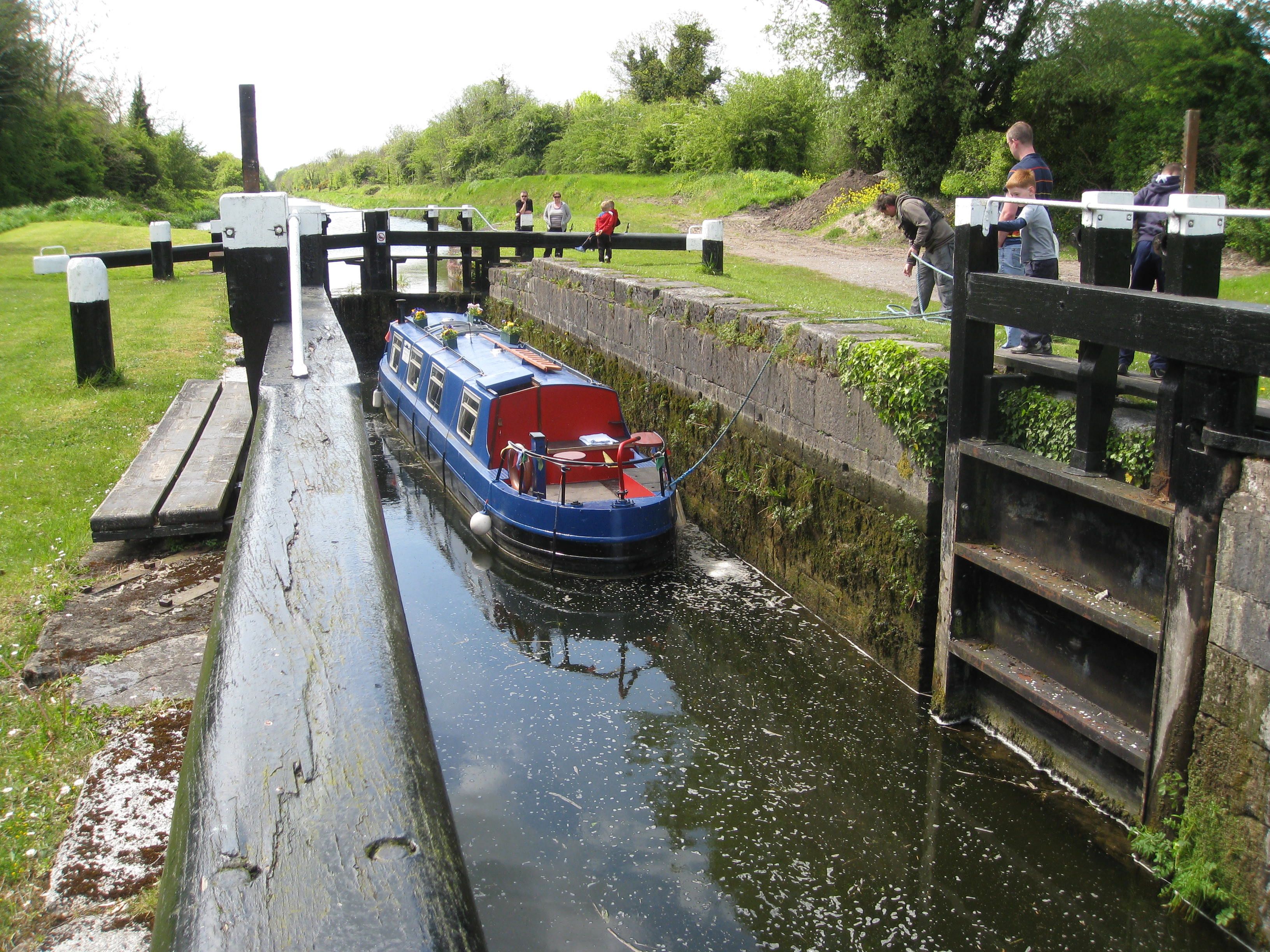
May 2009 – Grand Canal, Co. Kildare

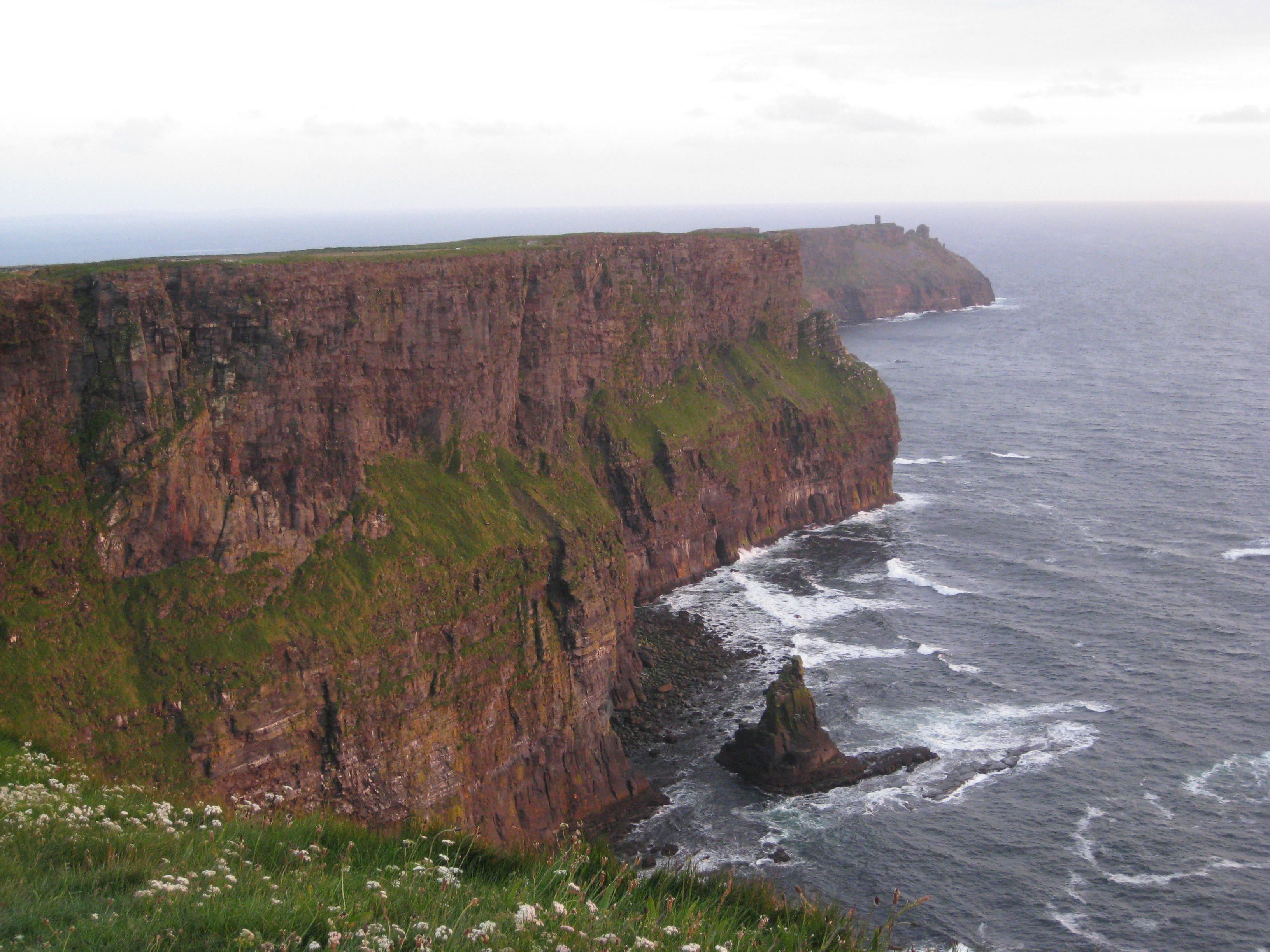
May 2009 – Cliffs of Moher, Co. Clare

June 2009 – Skellig Islands, Co. Kerry

June 2009 – Midleton, Co. Cork

July 2009 – Old Kenmare Road, Co. Kerry

August 2009 – Sheep’s Head, Co. Cork

September 2009 – St. Davids, Wales

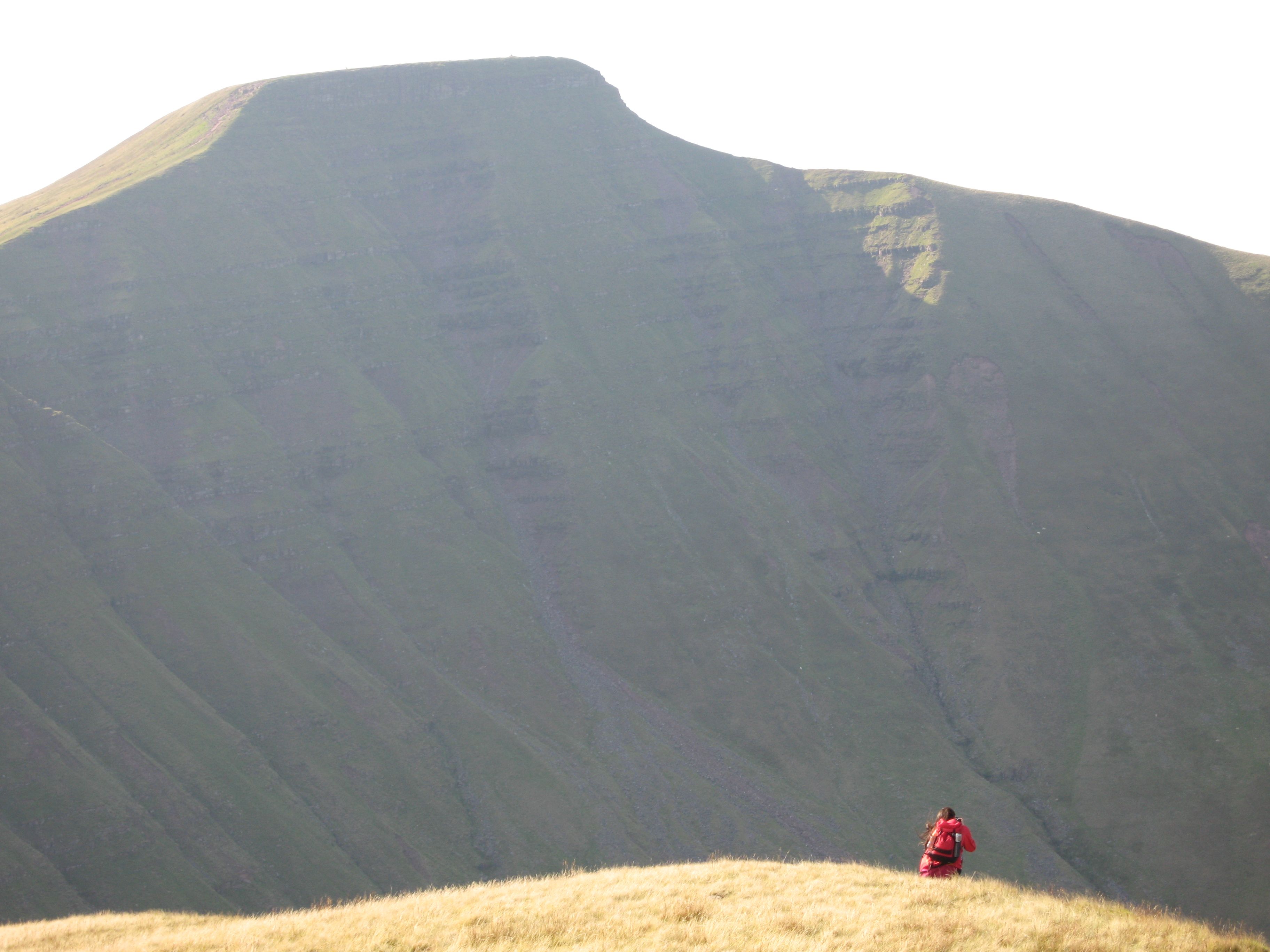
September 2009 – Brecon Beacons, Wales

September 2009 – Elan Valley, Wales

September 2009 – Aberystwyth, Wales

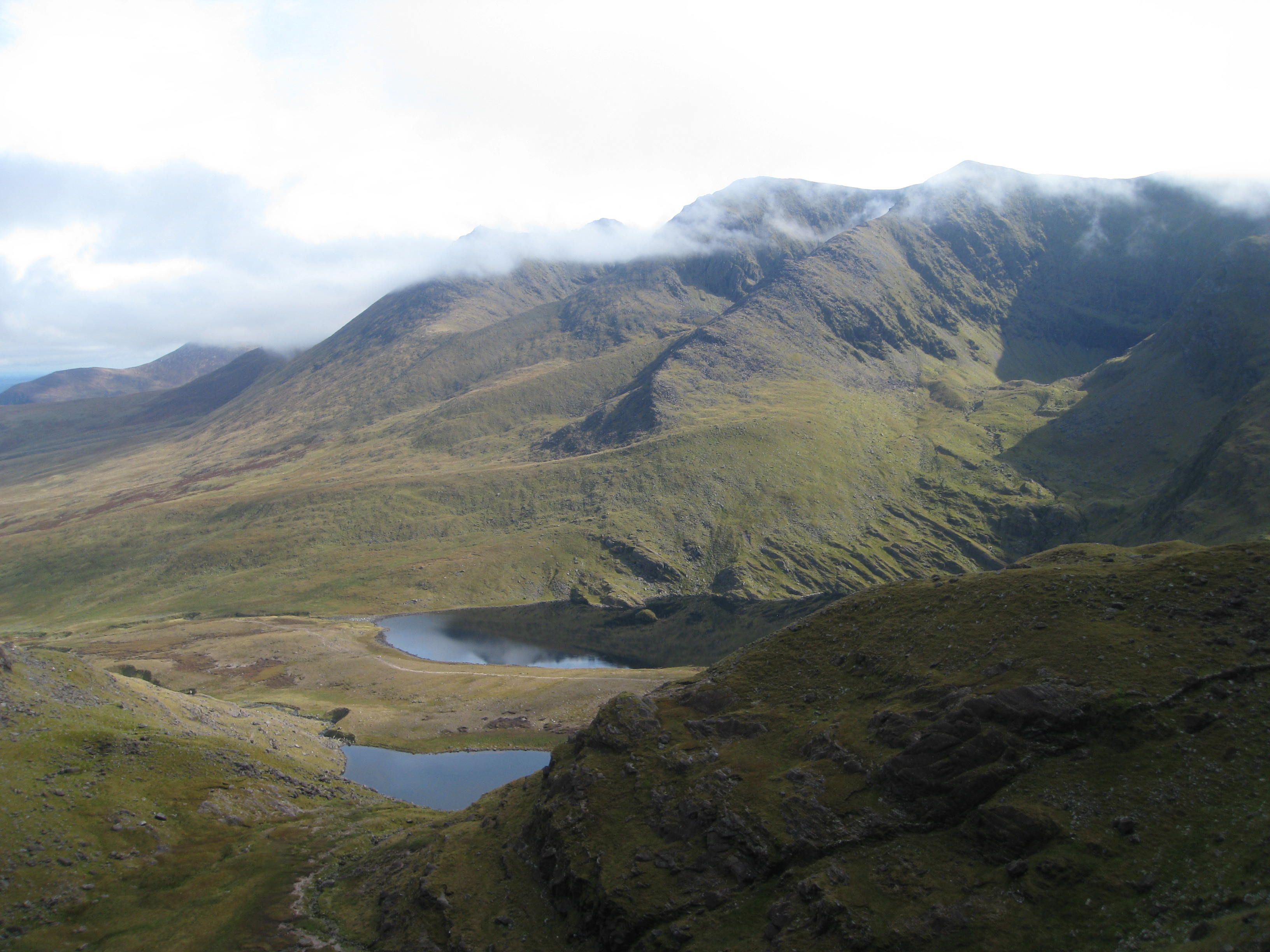
September 2009 – Carrauntoohil, Co. Kerry