Lots of people around the world do not take any homeopathic treatments. Lots of people do. Both groups tend to live to similar ages and are largely prone to the same conditions as they go through life.

You can think of it as a kind of thought experiment. On one hand, you have people who tend to see illness as something to wait out. Most illnesses – sniffles, coughs, pains, lows, wheezes – they come and go. It’s often a matter of tolerating them until they eventually die down and disappear. Maybe an analgesic, if necessary, will temporarily ease the symptoms. On the other you have people who, at the first sign of a cold or an ache, it’s off down to the homeopath for a dose of oscillococcinum, or whatever you are having yourself.

This intrigues me, because as far as I can see, in both cases the outcomes are pretty much the same. It’s just that in one case, there is this persistent belief that some kind of external remedy needs to be taken. This belief is always confirmed once the symptoms die down, as they normally do.

That’s why I regard homeopathy as a wolf in sheep’s clothing. You see, every time it’s called on, it seems to work. The prescribed remedies actually seem to do the trick. Until one day, they don’t.

The normal, non-homeopathic person will then trot off down to the doctor to find out what’s going on. The homeopathic person has so much invested in their beliefs that they will wait it out, possibly consulting their homeopath a few times, thinking they need something else. All the while, time is ticking away. The old reliable sheep has suddenly revealed itself to be a wolf, and yet the patient is oblivious to this. They convince themselves, until they have no choice, that the growl they hear is just a new kind of bleating.

I don’t think this is healthy. Homeopathy, because it appears so successful for lesser ailments, works against people when they actually need to go to the doctor. It works against their pets, their kids and other family members. Not only do you have to contend with a change of health, you have to deal with a change in your belief system, and that might just be too difficult to accept.

Better, I think, to leave the pills out. It’s not true to say they don’t do anything. While they certainly don’t do anything good, they have the strong potential to make situations worse.

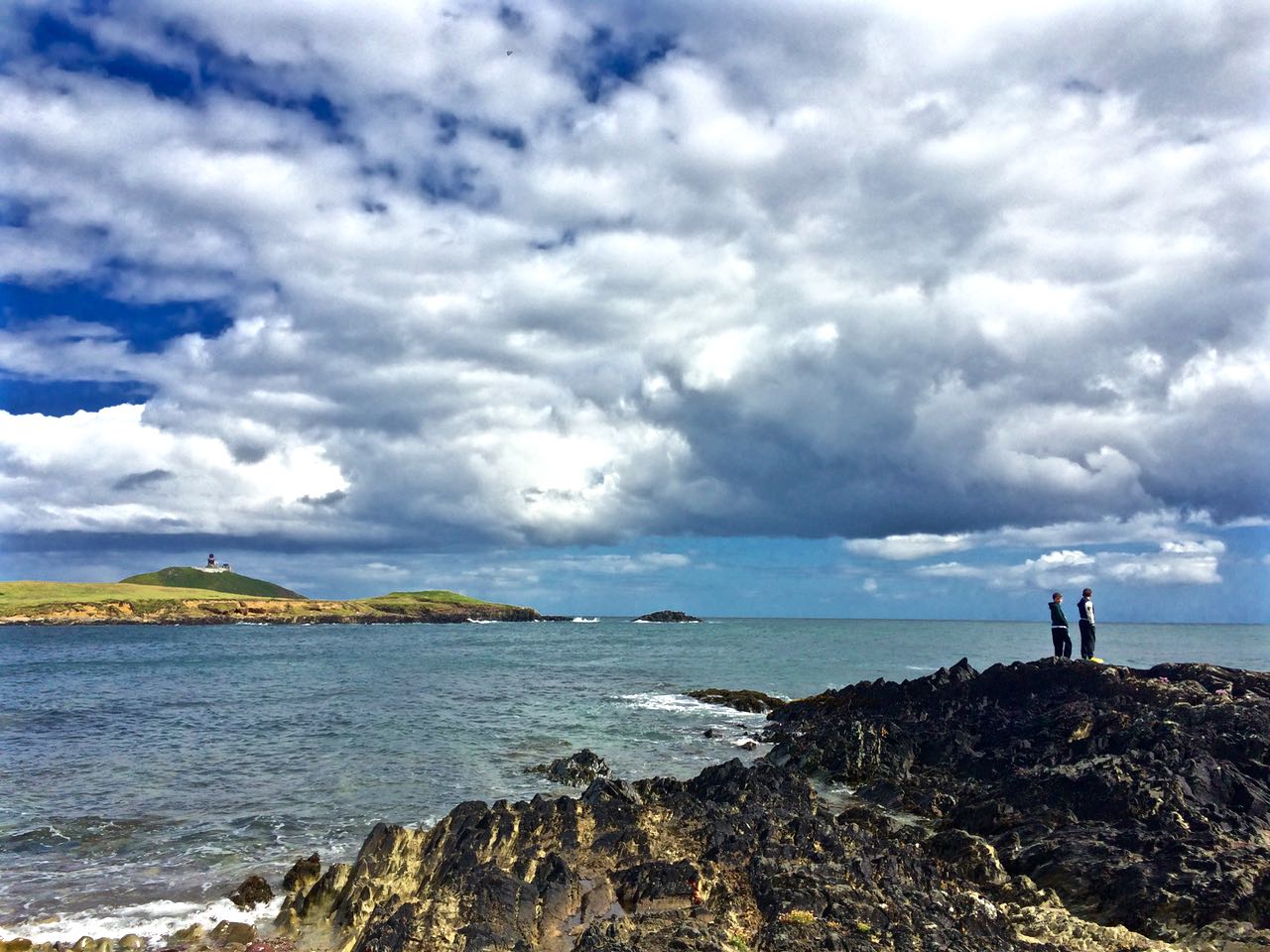
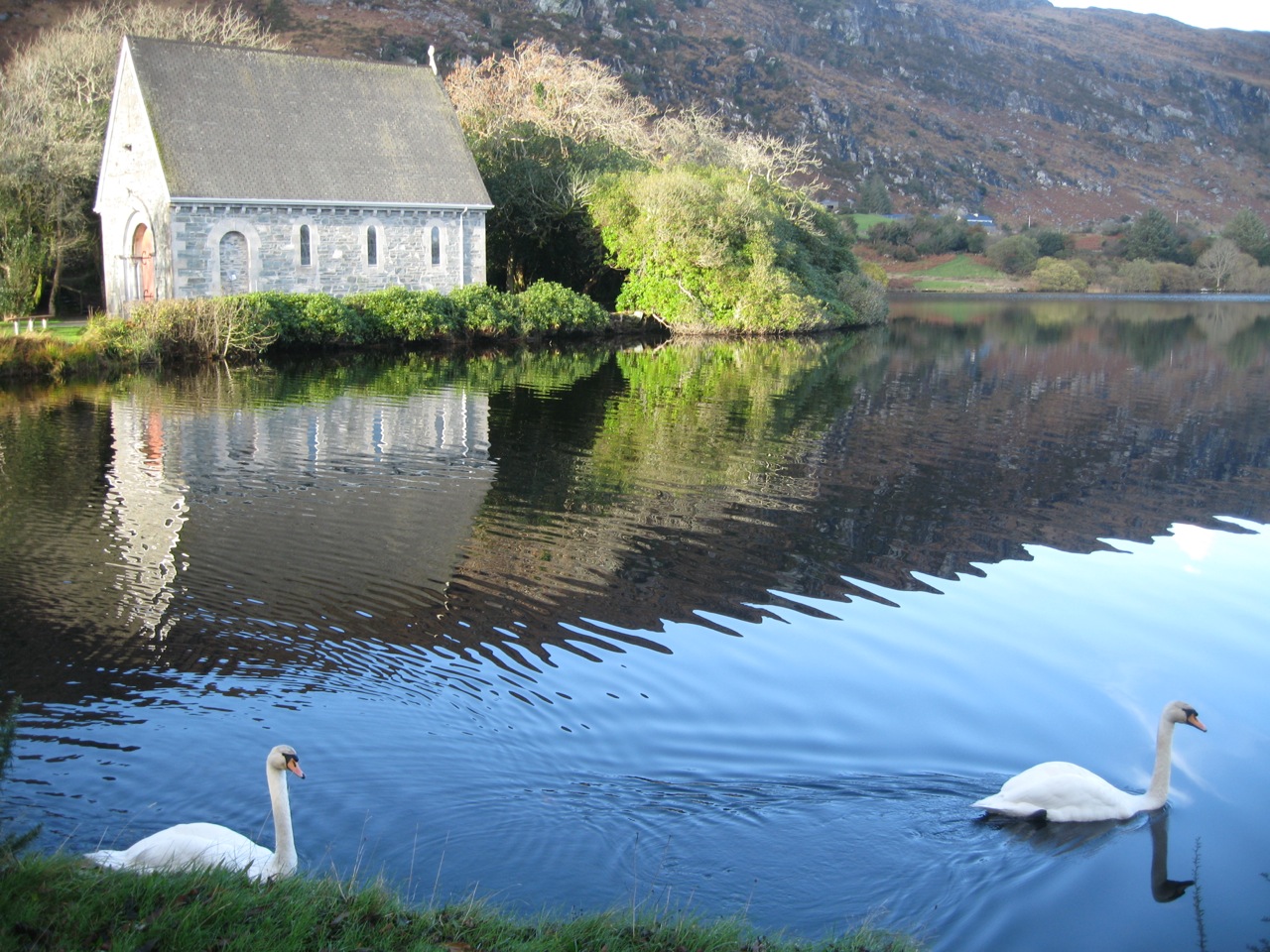
I’m not sure if there is a bigger contrast between these photos from East Cork and Shanghai, but both have their charms.

Just click on any of these photos to enlarge.

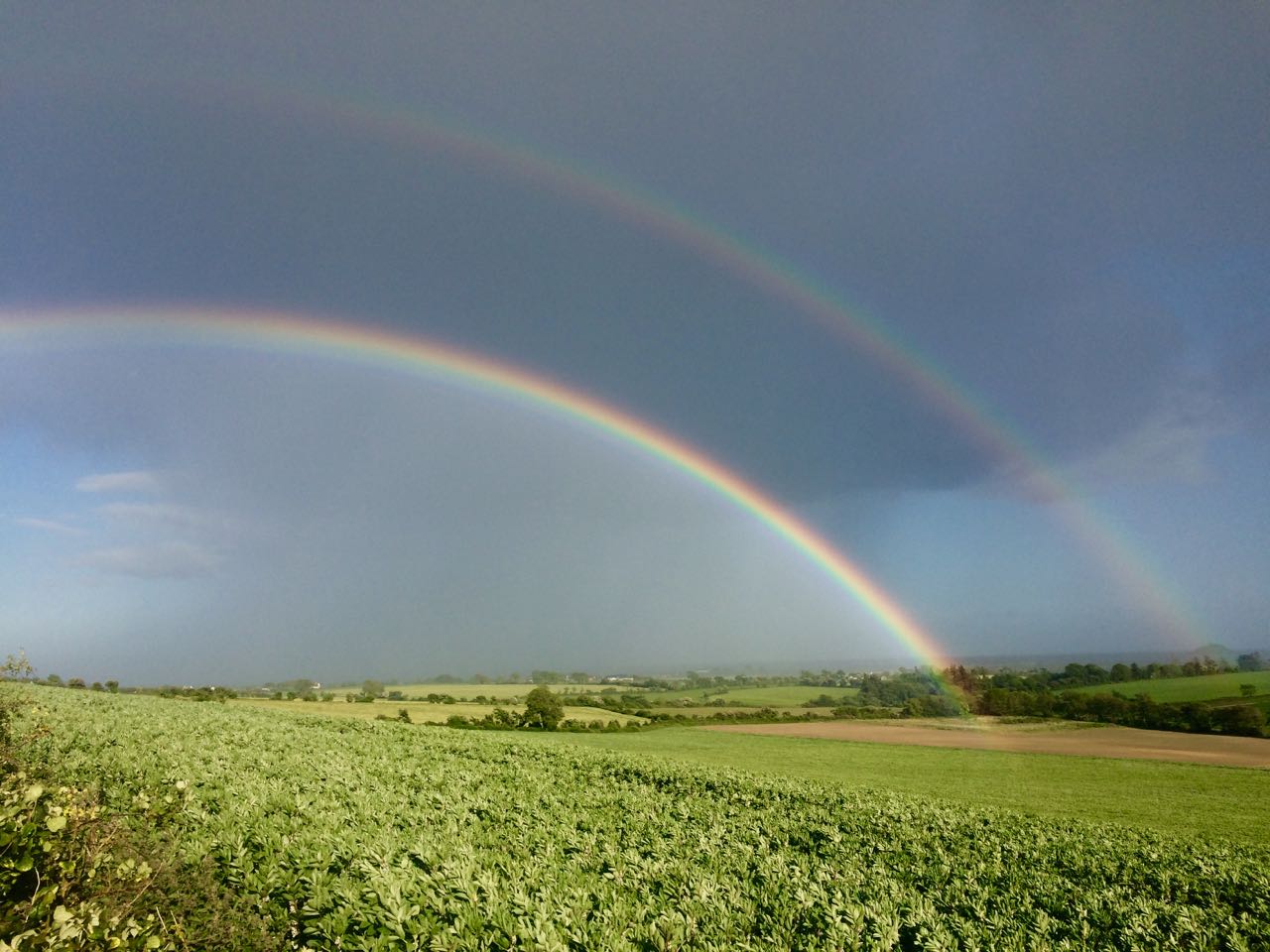
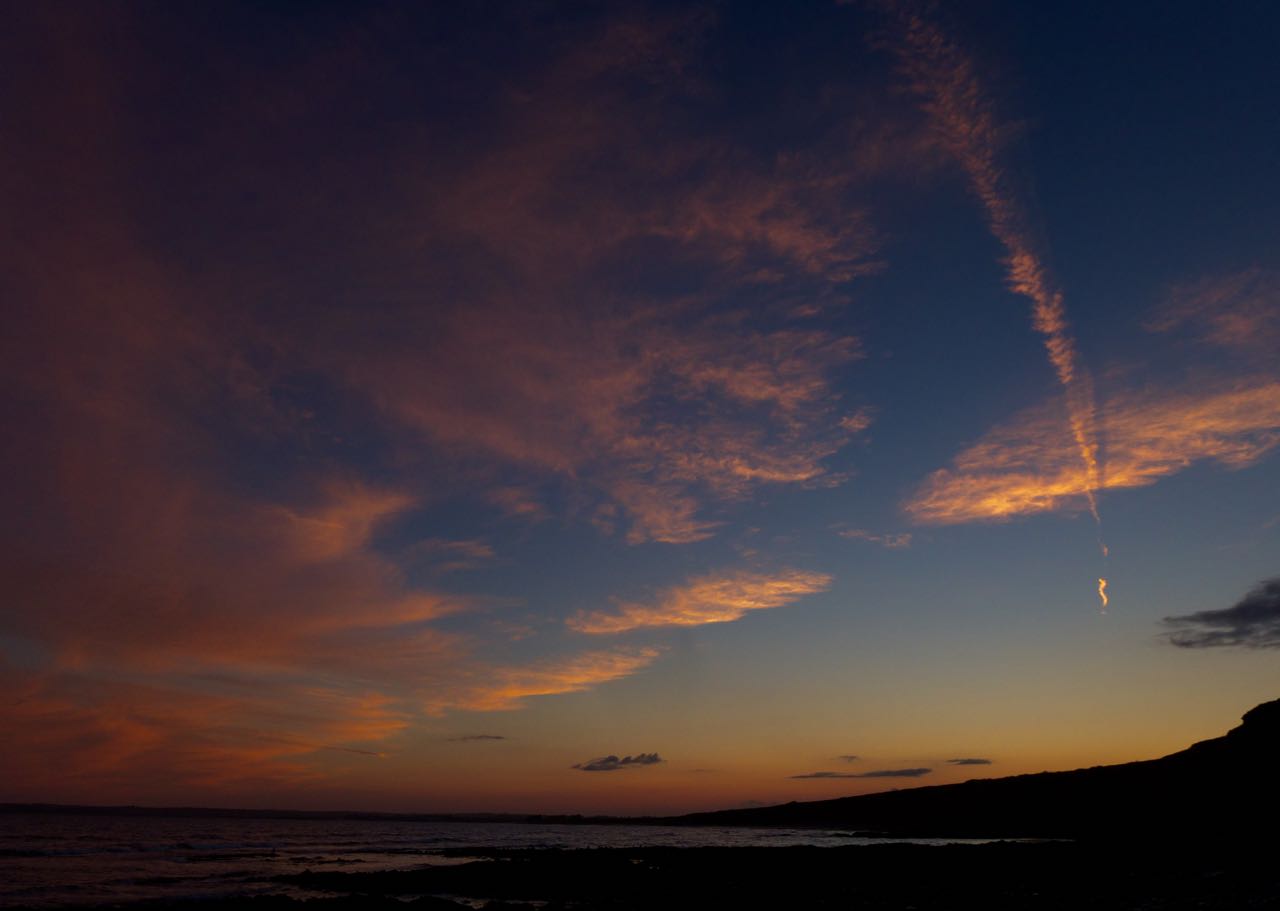
Here is the scene that met me a few days ago as I was preparing to go to work. I jumped out of bed and ran down the road to take a few snaps before the ever changing weather stole the view from me.

P1060936

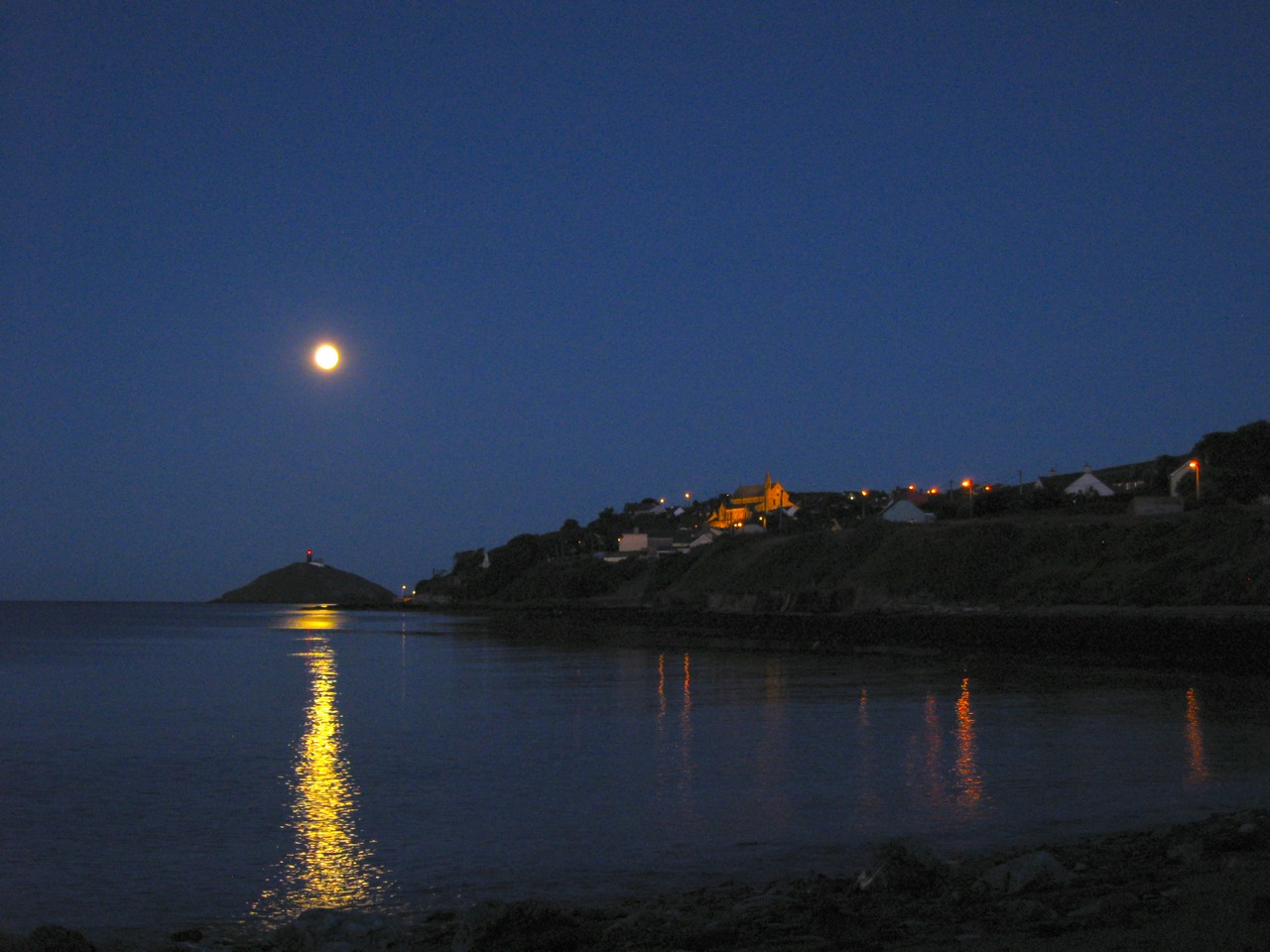
Another photo, this time by Garryvoe beach. the island in the distance as a mother coaxed her child to keep pace with the rest of the family.

P1060908

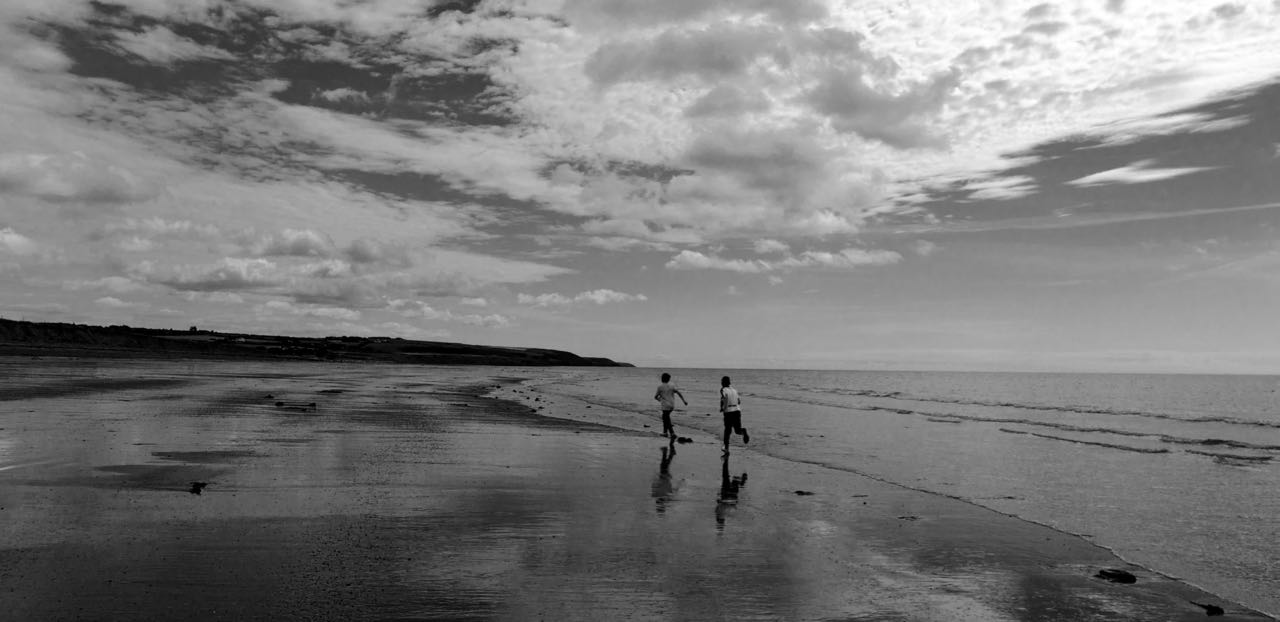
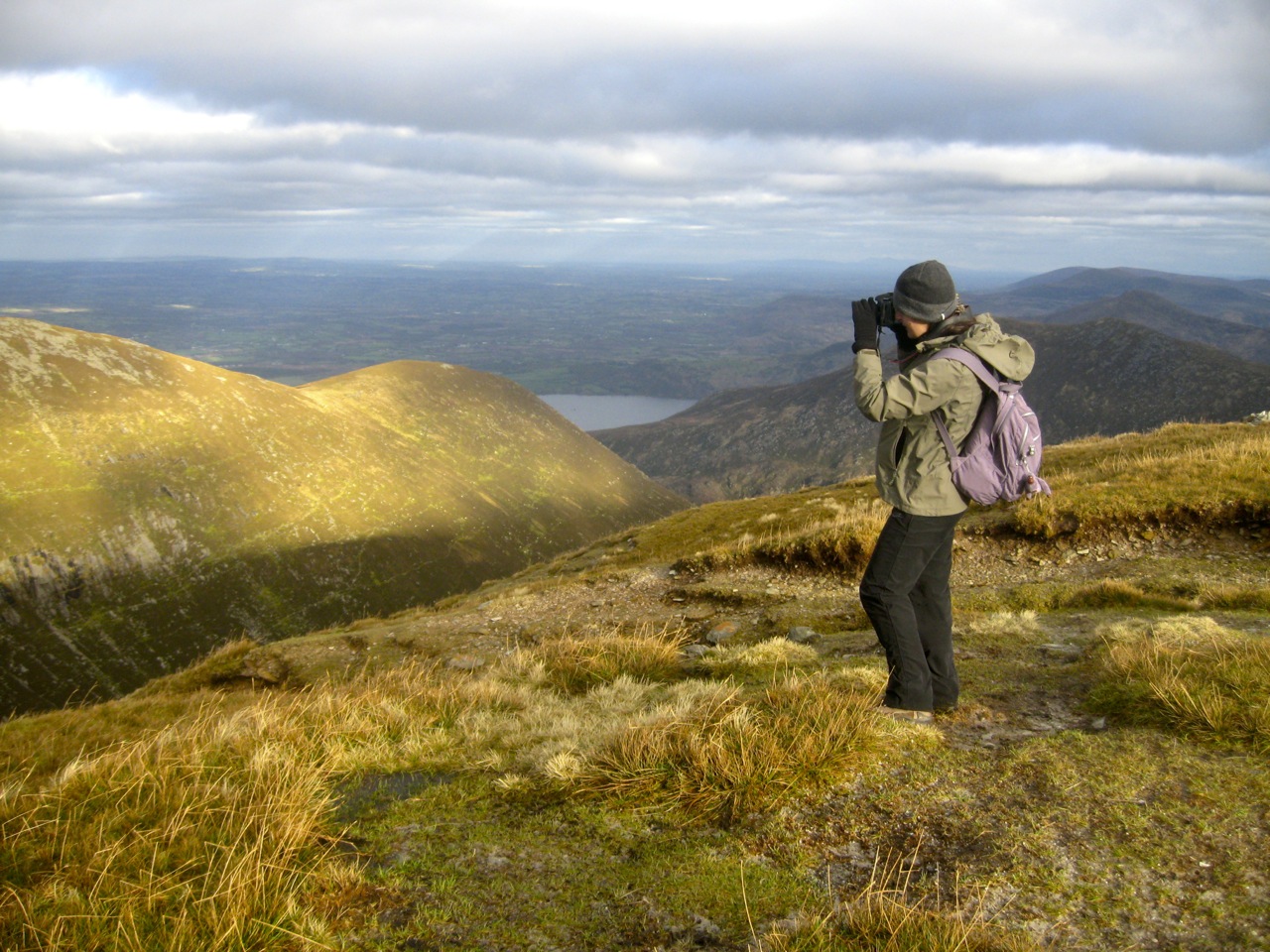
And this one I took yesterday, with my boys.

IMG_9371

Three different days, three completely different weather conditions. That’s Ireland for you.

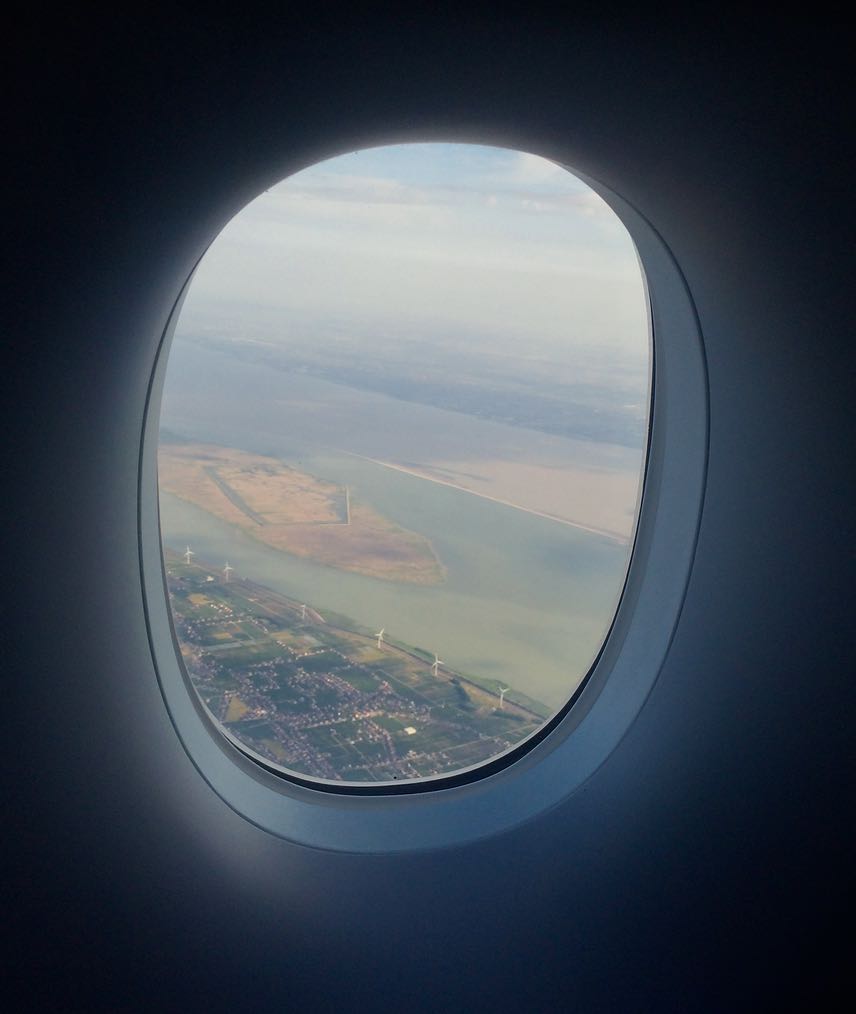
Shanghai is a city of endless fascinations for me. I was transfixed, even before the plane touched down – staring out at the strange landscape below me.
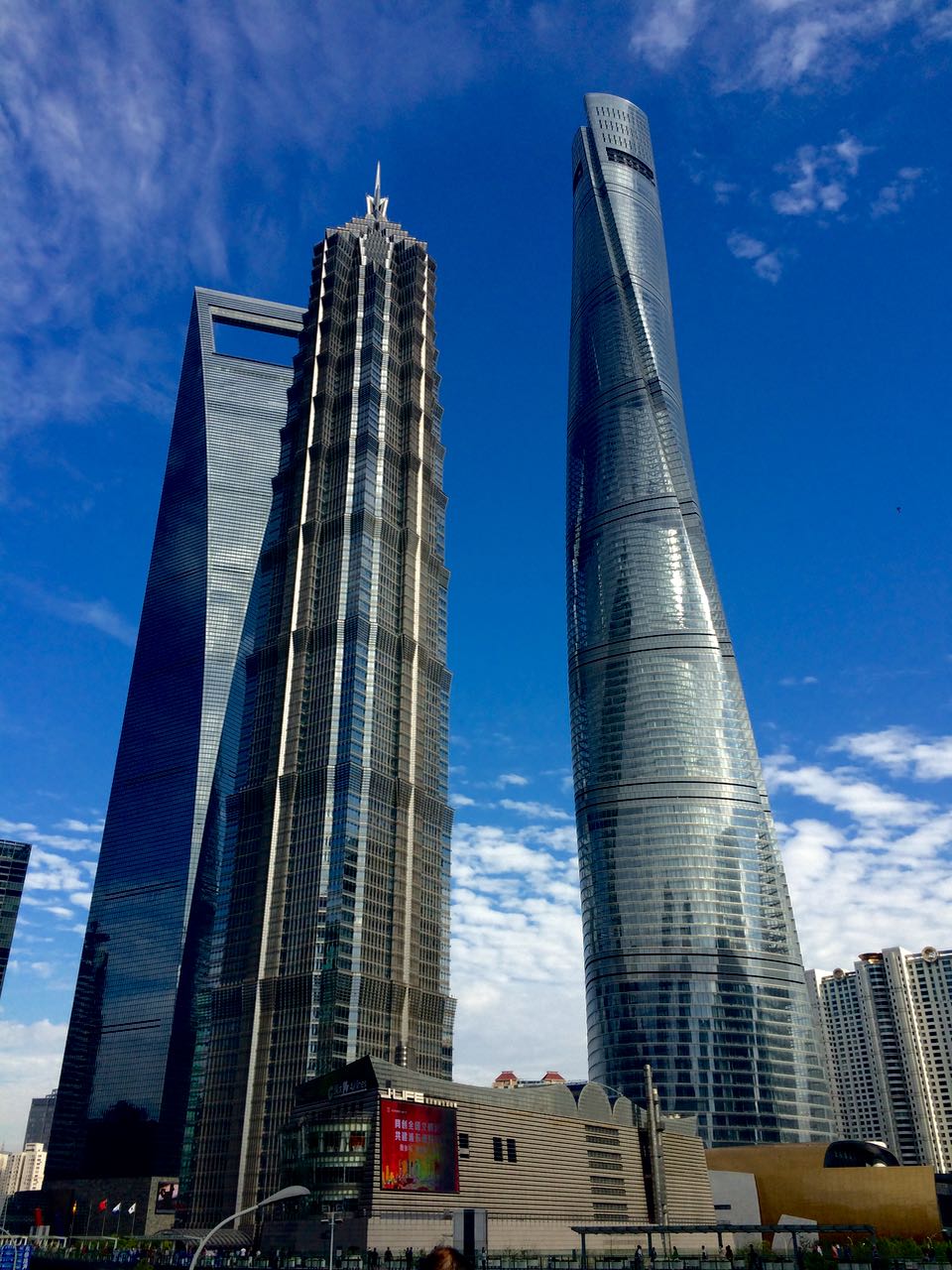
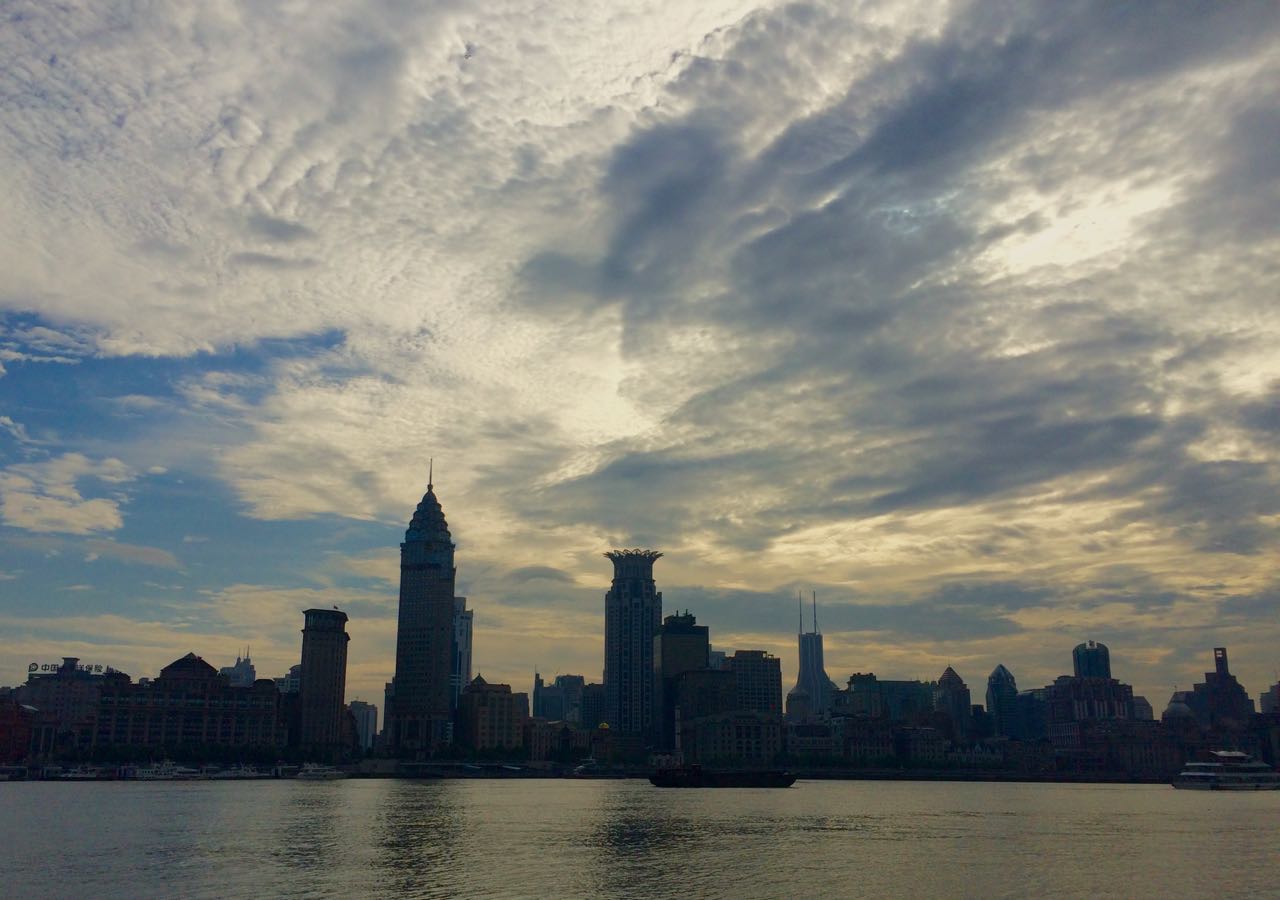
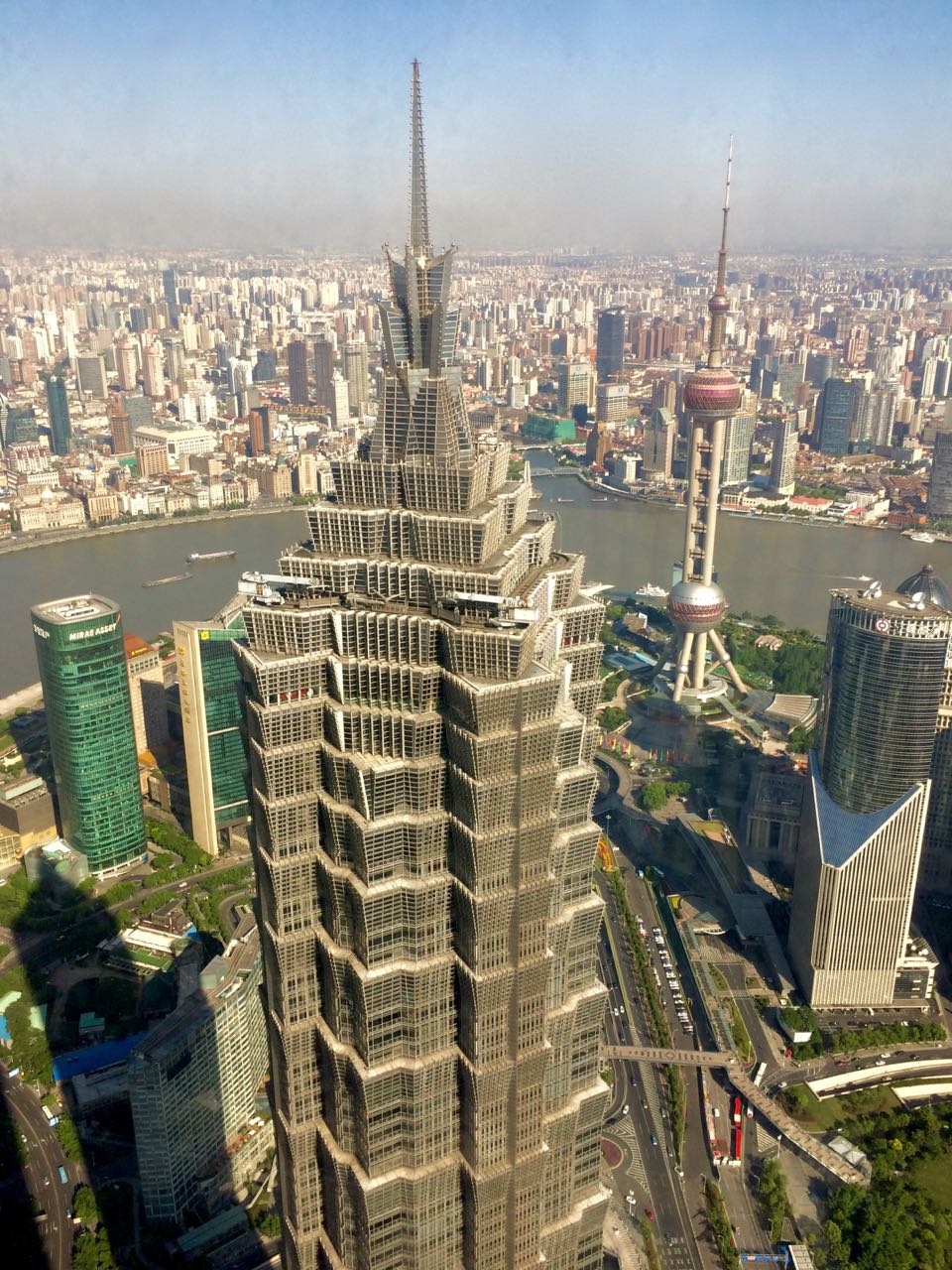
IMG_8819The only real free time I had was on my first day there. Still exhausted after the long trip, I took a short walk down to the river, taking in the immensely tall skyscrapers, the brown river dividing Pudong from Puxi, the Oriental Pearl Tower and sunset beyond the Bund.IMG_8909 Version 2 IMG_8980

The following picture gives an idea of the immense size of the city. Shanghai is like a forest, except the trees are made of concrete. It’s a city in need of more public parks and open spaces. It seems every spare metre of ground has been developed into a tall building or skyscraper.
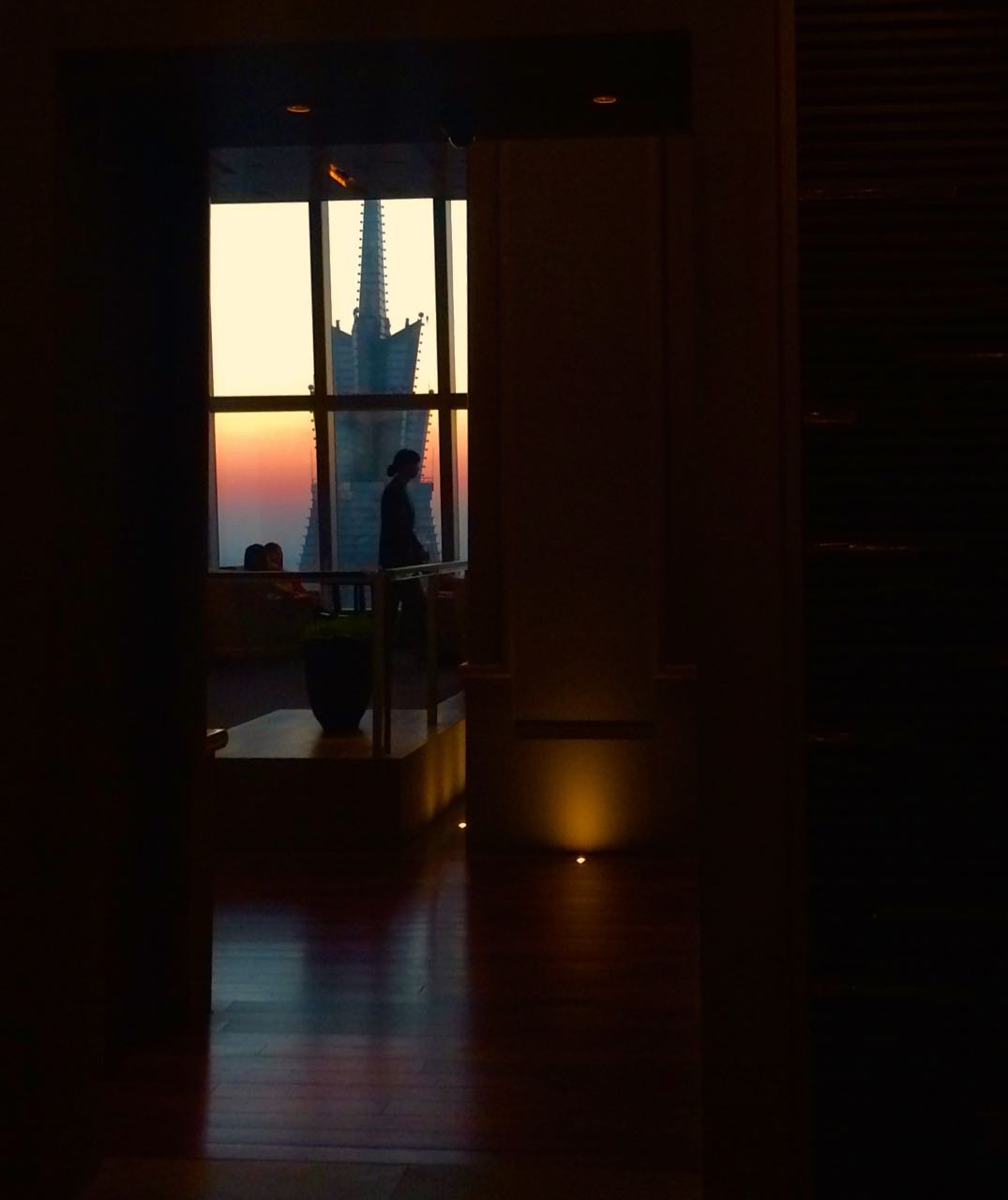
IMG_9160On my last day there, as the sun was setting, I took this photo of the Jin Mao Tower.

IMG_9186

It all comes down to this. Do I want to live in a country that is accepting of people at a fundamental level, or would I prefer a place that is happy to continue a historical tradition of intolerance for those people who don’t quite fit?

For decades, Ireland was a country blemished by unhealthy attitudes towards those who couldn’t live up to standards that a comfortable majority had set for themselves. For those who did not conform, or could not do so, the realities of life were quite incredible. Wider society treated them with contempt – the orphaned, the unmarried mothers, the mentally ill, the sexual misfits – for them, our country was a barely more than a prison. Little wonder that many took the boat as soon as they had half a chance. Maybe it was the Famine that made us like this, or the Catholic Church, or the excessive nationalism of our country’s early years – whatever the reason, our recent history is obscured by shadows and skeletons.

This is not the Ireland I see around me today. Despite the trauma of our past, my gut tells me that we have grown as a nation. I like to think that our country has gone a long way to accept difference, whether that be religious, cultural, national, mental, racial or sexual. There is much humour, much love and much intelligence in our culture. We aspire to a fairer society that treats everyone as equals. Maybe I’m wrong, but I have a sense that I should be proud of this little nation. Hopefully, this impression can be copper-fastened on May 22nd.

If the country votes Yes, we will be the first country on the planet to give gay people the right to marry by popular mandate. It will send a message to the world that is much wider than the issue at hand. It will tell everyone that we really are a nation of a hundred thousand welcomes, and that’s no bad thing.

In opposition to this notion are people whose idea of a future Ireland is also much wider than the issue at hand. To them, extending marriage to gay people is just one more step in the secularisation of Irish society. Sure, they use fancy words and nuanced rhetoric, but I remember well the divorce and abortion referendums of the 1980’s and 1990’s, and I can tell you that their approach is always the same. It’s all just a big smokescreen, designed primarily to inject fear and suspicion into middle Ireland. It’s progress they are against and they will fight with tooth and nail every attempt to introduce positive changes to our society. Why else would they mount such implacable opposition to a legal change that will affect such a small number of people in our country?

I want Ireland to be open, accepting society that embraces change and difference. A positive outcome will be a massive step along the way. I am voting Yes.

Quiet now.
A spider’s web lies broken.
Behind this gossamer mask
A poisonous bite awaits.

Flickers of moisture.
The spit of a wretched cat
Gnawing a wound
She will not let heal.

Those first wet gusts.
The baying of a tethered dog
Wishing to be free,
Her teeth chewing bone.

Screaming with rage
The banshee is now unleashed.
Blow follows blow follows blow,
She seeks my weakness for herself.

Now drunk with vengeance
The tiger rises up
All claws and jaws and hatred,
All fury and bile and lashing venom,
Sundering
With grim delight,
The threads of my being.

I will hide from this storm
For it will not last
And she will not listen.

Quiet now.
The tiger has retreated.
The spider mends her web.
For silent are the drops
Of poison anew.

“I confess to almighty God, and to you, my brothers and sisters, that I have sinned through my own fault, in my thoughts and in my words, in what I have done, and in what I have failed to do”

Confetior

The debate over the upcoming Marriage Referendum in Ireland continues to fascinate me. The NO campaign is largely driven by bishops, priests and spokespeople linked to the Irish Catholic church. In principle, the Church calls itself a beacon of humanity and compassion in the world. The utterances and actions of recent weeks belie such lofty aspirations. In doing so, they wilfully ignore a historic injustice they had some part in propagating and prolonging.

The past few centuries have not been kind to homosexual people. They have been bullied, scorned, laughed at, imprisoned, threatened with violence, assaulted, killed and gassed. Up to very recently, society saw them as deviants and predators and censured them accordingly. There was never any recognition that homosexuality was something you were born with; something you had little control over. The authorities at the time felt compelled to repress it and push it under cover. In doing so, countless lives were destroyed. We were driven to fear the enemy within.

Even to this day, governments around the world have laws against homosexuality. In Russia and Malaysia, gay people are routinely thrown in jail. In Uganda, legislators are trying hard to impose the death penalty for homosexuality. These malignant injustices are here with us today and, presumably, for a long time to come.

Surely this is a cause we should all support: for all members of our society to be given a chance, to be treated the same, to have past wrongs acknowledged and prevented. Unfortunately – despite the lip-service they pay to human rights – we are not seeing this from the elders of the Catholic Church.

You would think that any organisation professing to defend the downtrodden and the oppressed would see this referendum as an opportunity to provide positive leadership, but no. They have come out as dismissive, reactionary and uncaring; using precisely the same Jesuitic rhetoric in 2015 as the defenders of past injustices did back in years past. In all this debate they have forgotten whose side they should be on, preferring instead to champion ancient prejudices.

Not just one, but two generations have been alienated by such pronouncements. What we have is an organisation arguing itself into obsolescence, not caring about the consequences or how such views will be perceived by future generations. Not in our name, we say. Some day in the future, a pope will issue an apology for these wrongs, but by then it will be far too late.

If your home were on fire, wouldn’t you do everything in your power to raise the alarm and lead everyone to safety?

It’s from sentiments like this where proselytisers come from. They are called to witness because God wants them to save the rest of us from hellfire. 

To be saved, you take on beliefs that argue for a suppression of critical thinking, a subsidiary role for women, an aversion of sexual health, a disdain for unmarried partners and parents and an intolerance of homosexuals. In other words, the price of salvation is the acceptance of bigotry.

If I were to ask people to take on such an intolerant position, I would need to be absolutely sure my own beliefs were rock solid. I would need to hold myself to the very highest standards of evidence. Testimonials would not be enough, because people can be fooled. Personal evidence would not be enough, because I can be fooled. It would not be enough to listen to a charismatic teacher or read a compelling book. I would actively seek out positions that contradict my views to see if alternative interpretations are possible. I would try not to rationalise but instead accept countering evidence on its own merits. I would try my best to become free from the hold of confirmation bias on my thinking patterns. I would want to be in a position to establish, beyond any reasonable doubt, that my house was indeed on fire.

This is not what we get from proselytisers of every hue. They are calling us to change our lives without having applied any rigour to their own views. We should be under no obligation to surrender our humanity just because the person looks trustworthy or friendly, or because of the emotional packaging in which they wrap such life denying views.

Is our house on fire? They don’t have a clue.

I attended my 4th QED Conference this year, making me a regular at this stage, I guess. The previous conferences have all been great, and this one met the the high standard we have become accustomed to. The folks in the Merseyside Skeptical Society and Greater Manchester Skeptics do a terrific job. They deserve all the praise they get for organising these events.

Skeptical Trousers

Skeptical Trousers

The difference for me this year was that I was speaking. At the very last minute (i.e. 4 days before) I decided to enter Skepticamp with a 10 minute talk. My presentation was about ways to communicate critical thinking to a general audience, while at the same time giving the audience an idea of the main skeptical issues in Ireland. Ireland is commonly thought to be a very religious country, but it’s not as devout as many people think. Even paying lip-service to the Catholic Church is on the wane. Instead the issues are more familiar: cancer quackery, anti-vaccine, anti-fluoridation, secularism. I did recount the “Holy Stump of Rathkeale” story though, as my mind is still boggling over that one.

Wifi was not good in the main hall, so instead I took copious notes. I won’t burden you with all these, but there were some real high points over the weekend.

Insects! 
QED - 1

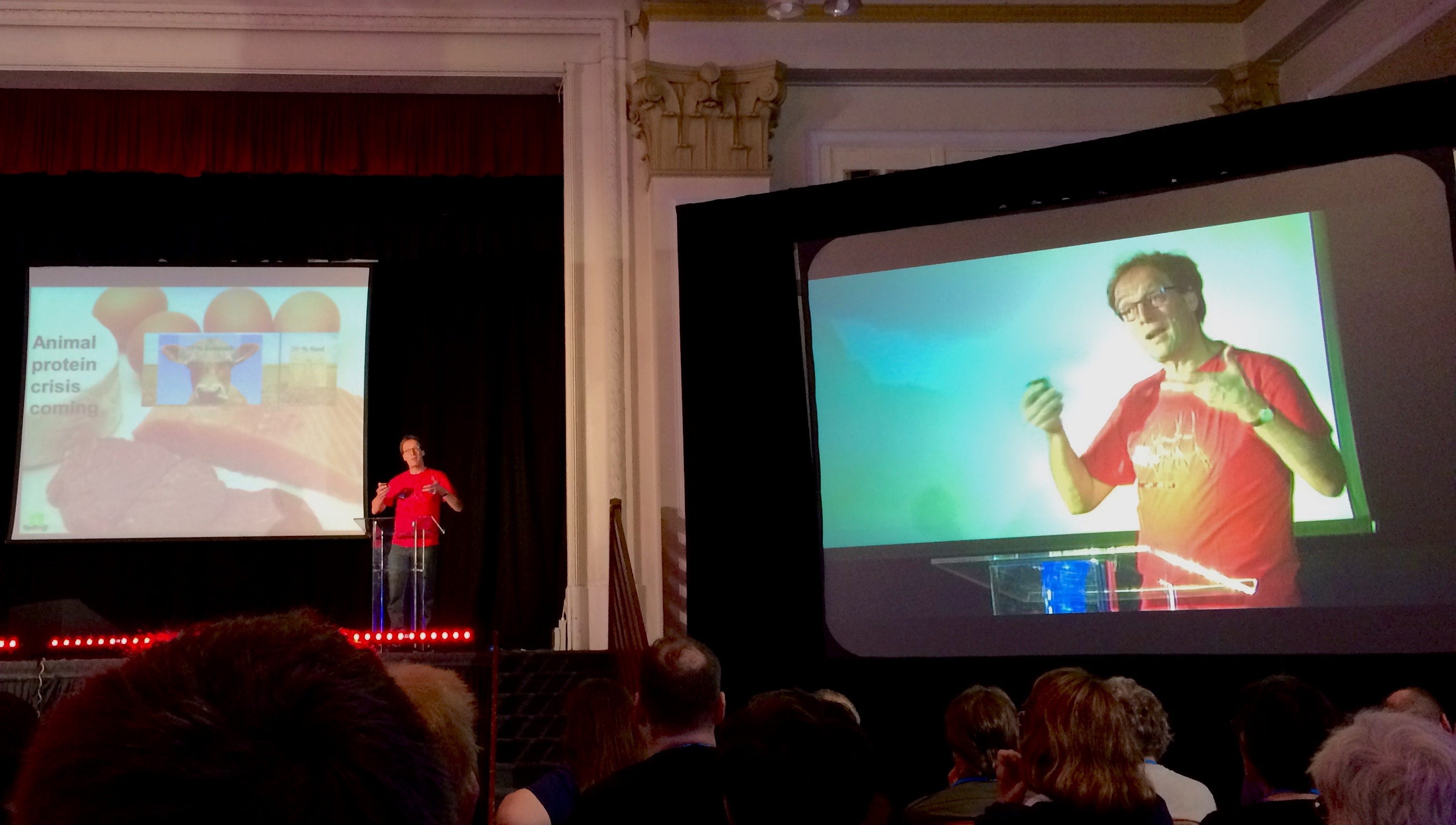
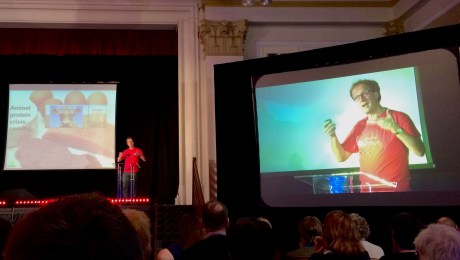
Marcel Dicke, professor of entomology from Wagenigen University in the Netherlands, spoke about eating insects and their role in future food security. The statistics are worrying to say the least. With a projected population of 10 billion by 2050 and the availability of land on the decline, we may need many more options to keep everyone fed. And besides, mealworms taste GOOD. Roasted crickets taste GOOD. I know. I ate some samples…

IMG_6750 (1)

Acupuncture!

Acupuncture is one of those things. It’s a bit crazy, but because it’s not the worst type of crazy out there, it’s largely given an easy ride by the skeptical community. Dr. Harriet Hall was there to point out some real problems with acupuncture techniques – how it’s a lot more recent than people think, how you run a high risk of infection and how its role in anaesthesia is thoroughly undeserved.

Satanism!

Rosie Waterhouse gave a lecture on the satanic abuse scares of the 1990s. Heavy stuff. The story in brief is that vulnerable children under the influence of over-eager therapists began to accuse their parents of having abused them in horrific rituals. On the basis of these allegations, children were wrongly removed from their families by social workers. Rosie was one of a small, brave number of people who questioned the veracity of the claims. It brought False Memory Syndrome and Multiple Personality Disorder strongly into the spotlight. Worryingly, such allegations still persist today.

Classical Greece!

Natalie Haynes spoke to us about the Greek classics and how they still influence the storylines of soaps in the modern age. You could listen to Natalie forever – she has an engaging style with lots of laughs spread through her talk. And it is true – whom amongst us, it times of trouble, have not been consoled by sheep? Anyone? Anyone?

Our Stupid Brains!
QED - 1 (1)

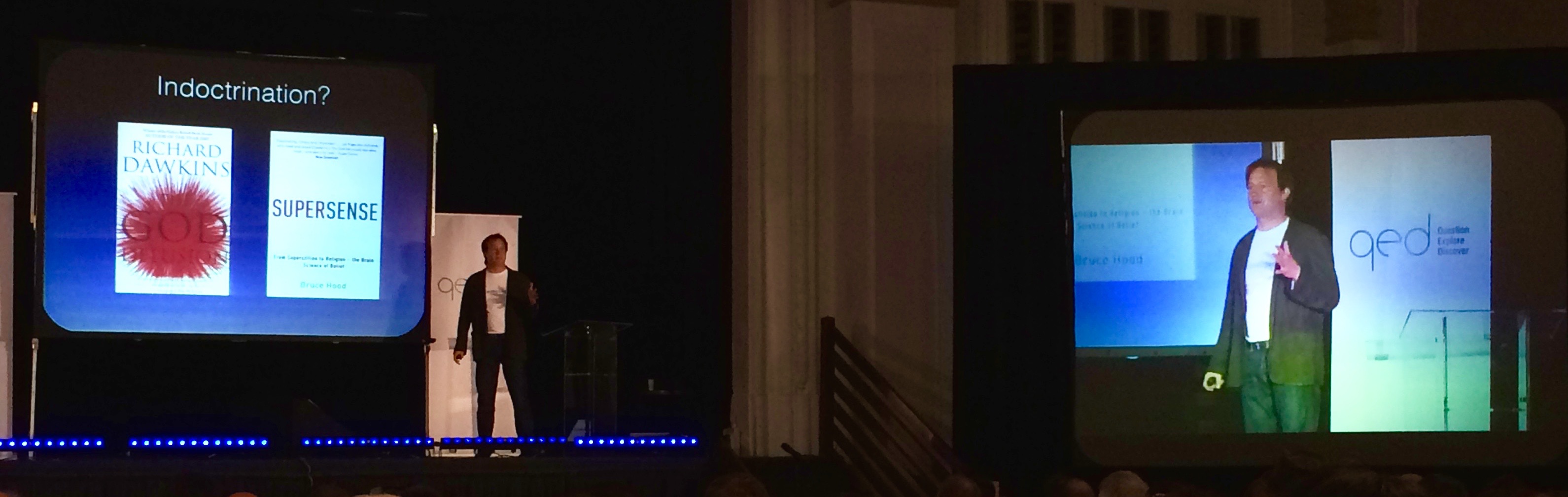
Bruce Hood explained how our brains really weren’t cut out for rational thinking. We learned how magical thought is an innate part of how we view the world from early childhood and that things like “mind-body dualism” and “essentialism” give us an insight into how we come to believe stupid things. These deep seated notions can survive long into adulthood.

Dawkins Clones!

Matt Dillahunty talked about debating with theists and how there was no one sure way to change peoples minds. We don’t all have to be clones of Richard Dawkins. (I know, we can all breath a sigh of relief now).  He had a few words of advice for skeptics – “Have a good reason for engaging in the conversation in the first place. Not so that you can look superior or cool.” Well said.

Homeopathy!

QED - 1 (2)

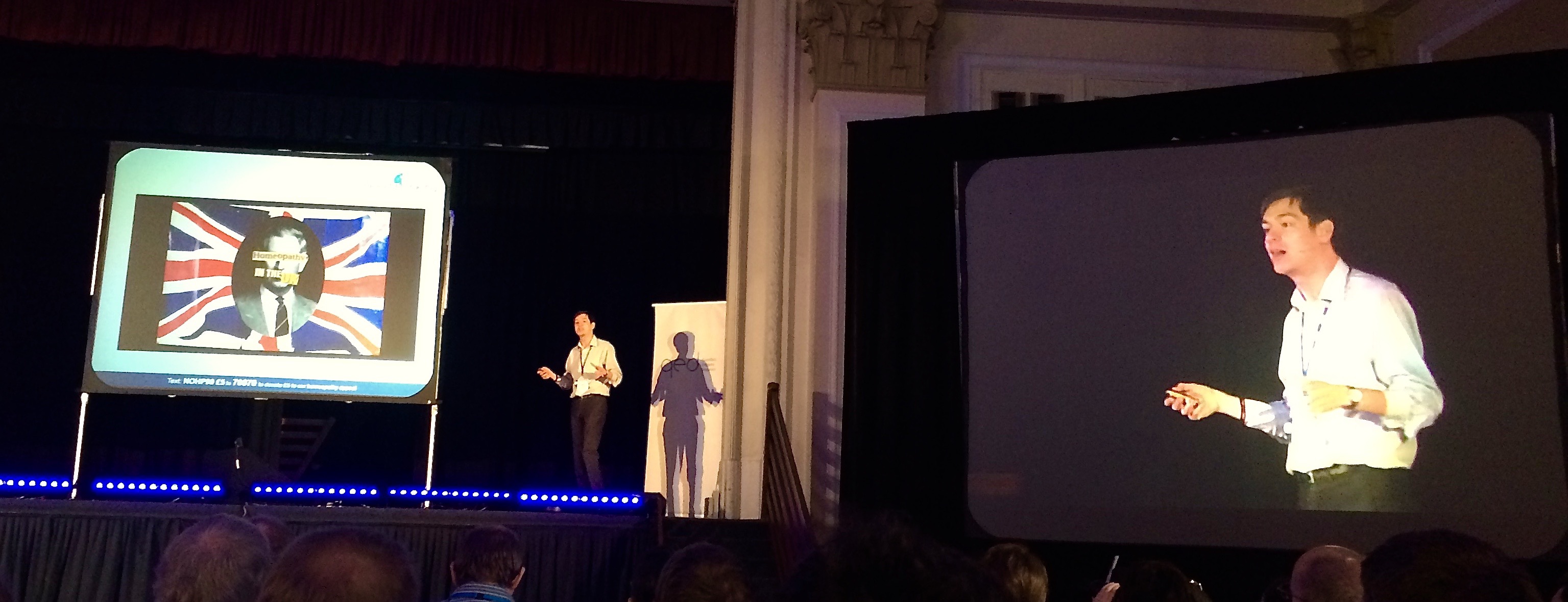
Where Michael Marshall gets his energy, I do not know. What with his involvement in QED and his podcasts and debates with true believers, he’s off now trying to stop the UK government funding homeopathy – and he’s making good progress too. Marsh is a pleasure to listen to – he’s VERY funny, although the story content almost writes itself. Homeopathic Owl, anyone?

Nuclear Bloody Reactors!

Dame Sue Ion showed us that the UK seems to be getting somewhere with its energy strategy these days. In the next few years, traditional fossil fuels in our houses and cars will decline, to be replaced by electricity – and for that there will need to be a very diverse set of energy sources and management systems. Nuclear Power is part of that equation, which is more than can be said for Ireland, with it’s blanket opposition to nuclear from almost everyone.

Ancient Doubters!

IMG_6954

The wonderfully eloquent Jennifer Hecht did a terrific job of explaining how atheism and doubt has always been with us. There have always been doubters and people who opted out of cosy religious consensuses, sometimes at great risk to their lives. They did this because they got frustrated with the bullshit and the lack of proper explanation for tragedy. With phrases like “the meat in our heads wrote the Ode to Joy and Hamlet” I could have listened to Jennifer forever. Poetry and language are powerful and underused tools to communicate our viewpoints.

Skeptical tribes!

AC Grayling spoke about the many different skeptical traditions, and how there was such a thing as “good scepticism” and “bad scepticism”. It was an academic lecture going way back to the time of ancient Greece and explaining how thinking has evolved over the centuries. This is an important story that everyone should learn about.

And then it was over…
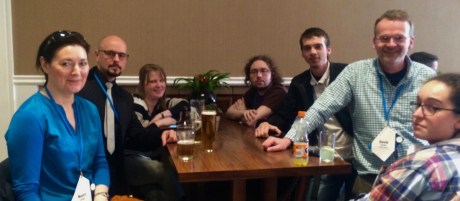
Some of the Irish attendees at QEDCon

Some of the Irish attendees at QEDCon

I just missed two “big” talks – an evangelical preacher who lost his religion and the story of our sun. It’s a pity as they seemed to be well worth attending.  It was great once again to meet my friends from the different parts of the UK and Ireland and it barely needs to be said that I’m already looking forward to 2016.

Because there’s more to life.

P1060520

I see Atheist Ireland have “publicly dissociated” themselves from PZ Myers, the firebrand blogger from Minnesota. It was a long time coming. The spat between Michael Nugent and Myers has been a long running one. It was too much to expect that it would resolve itself amicably.

I used to read Pharyngula quite a bit a few years back but I eventually tired of it. Not because of Myers’ laudable espousal of feminist and minority causes, but simply because he seemed hellbent on finding targets within the atheist movement and pulling the trigger. Sure, there are some real assholes within atheism, but it’s simplistic to divide the world into such extremes of good and evil. Too many people were frozen out who had valid – if sometimes unpopular – contributions to make. Since 2011, the conversation has died away, and for good reason.

Atheist blogging is too much like a civil war these past few years. The useful, engaging, challenging and interesting stuff has been drowned out by emotional rhetoric turned to maximum volume. There is way too much self-righteousness and in-fighting getting in the way of good commentary. The principal take-away is “you should hate this person because of x,y and z”. I can understand why people who espouse humanism over atheism have given up on it entirely. Over time, we have tuned out in droves, finding other places more deserving of our attention.

My feeling is that far too much time has been spent on PZ Myers. He’s not going to apologise in a million years and he’s not going to change. Defamatory and obnoxious he might be, but I’m pretty sure he’s not going to wash off his spots any time soon – whether or not he’s called out on it. He’s taken worse, doled out worse and I’m not sure he cares either way. Ultimately he’s a just a blogger and as such, he’s one voice among many. He’s not the only influence on what is a very large and diverse community of non-religious people in this country. I doubt I’m alone in wishing that we can close the book on this and move on.