Archives for category: Ireland

Mortality in Ireland

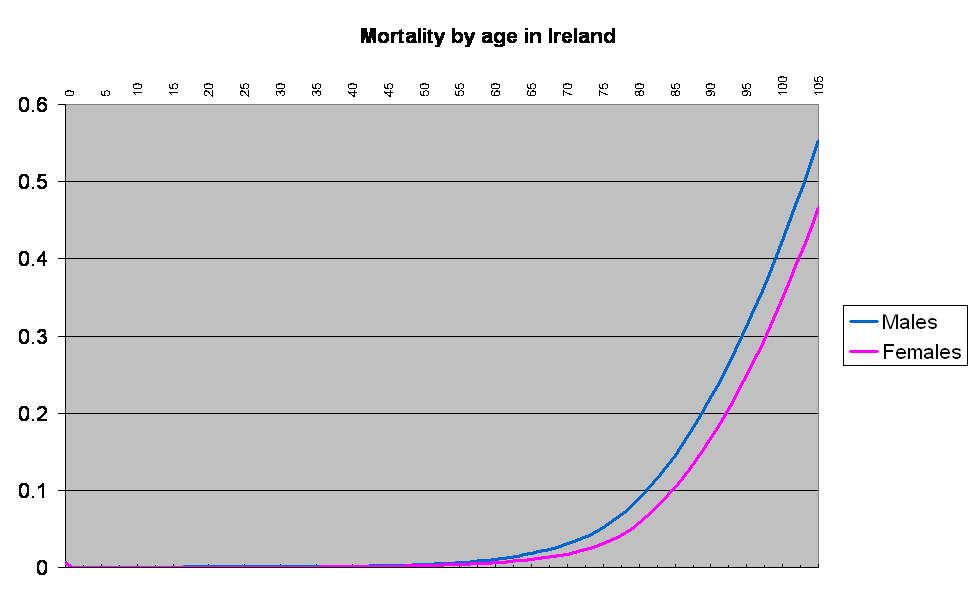
This table is derived from the Irish Life Tables 2001-2003. (CSO) Double-click on the image to get a full view.

It’s a logarithmic graph of your likelihood of dying at any particular age, from birth right up to the ripe old age of 105.

Maybe it’s just me, but I find it fascinating. The women have us men well and truly beaten when it comes to their ability to survive. Right from the start, they seem to have a lower probability of kicking the bucket.

In addition, kids are least likely to die by an order of magnitude compared to young adults – it’s a testament to the importance of parents and guardians, I would think.

And then there’s this very subtle “bump” around the age of 25 in males. For some reason, a 31 year old man has a slightly lower probability of dying than a man ten years younger.

From age 35 in males (and age 31 in females), our probability of dying starts to increase at a faster and faster rate.

Lest anyone get too worried, we are mainly talking about very small numbers here (the above graph is logarithmic and therefore somewhat skewed). The following graph is the same, except this time it’s linear. It shows more clearly that your probability of dying in any particular year is tiny up to the age of about 80.

Mortality in Ireland2

Yesterday we went down to Cobh to see a huge ocean liner arrive into the port.

Navigator Arriving

The town of Cobh* has a fascinating maritime history. For decades, before the rise of air travel, it was the departure point for millions of Irish people as they set sail for the New World. It was the last port of call of the Titanic before its fateful crossing. It received the dead bodies from the Lusitania, when it was torpedoed off the Old Head of Kinsale. And it is a later addition to the Republic of Ireland, a “treaty port” ceded to the State by Britain just before the onset of World War II. The headquarters of the Irish Navy is just across a narrow channel from Cobh, on the island of Haulbowline.

The Navigator of the Seas

The ship, the Navigator of the Seas, is one of the largest cruise ships in the world with a weight of 140,000 tonnes. It can carry over 3,000 passengers. In this case, the boat was on a short weekend trip from Southampton. The passengers must have been amazed when they were greeted by a large crowd of onlookers. It was a holiday weekend here, with a local festival happening in the town.

Goliath

My kids were well impressed. A floating hotel of this magnitude is an impressive sight, no matter what age you are.

Looking up

* Cobh is pronounced, and means, “Cove”: unusually, an “irishisation” of an English word. Most of our place names are anglicisations of Irish Words.

I want to test the Wisdom of Crowds theory that I talked about some time ago, so what better example than the fast approaching Irish General Election? I decided yesterday evening to spend some time looking at Paddy Power’s betting on the outcome, candidate by candidate.

Based strictly on the odds being offered and the number of seats available, the analysis breaks down this way:

Fianna Fail: 72-73*

Fine Gael: 49-50

Labour: 16-18

Green: 9

Sinn Féin: 8

Progressive Democrats: 2

Others: 8

(In two constituencies, Wicklow and Kerry South, the odds were the same for last place, so I have shown a range instead of a single number).

If this were true, high profile casualties would include Ruairi Quinn, Joan Burton, Donie Cassidy, Jackie-Healy Rae, Niall Blaney, Tom Parlon, Liz O’Donnell, Martin Mansergh and Michael Woods.

This scenario is something of a nightmare for the two major political alliances. It leaves Fianna Fail and the PD’s with 75 seats and a “rainbow” coalition of Fine Gael, Labour and the Greens with 77 seats: well shy of the 84 seats needed to form a new government. Both coalitions would need the support of independents and possibly even Sinn Féin.

If this prediction comes true, the only viable administration would be a Fianna Fáil / Labour alliance (and how long that would last is anyone’s guess).

In any case there is plenty of room for manoeuvre. The number of listed candidates that are almost certain to win is 75. 190 other candidates will have a fight on their hands if they are to win one of the remaining 91 seats**.

More detailed information on each candidate can be found in the attached PDF. Let’s see what transpires tomorrow, shall we?

Election Predictions 2007

* Rory O’Hanlon (FF) is already deemed elected since he was Ceann Comhairle (chairman) in the last Dáil.

** My calculations are based on a “definite” being a bet of 10-1 on (91%) or greater, and a “close call” being less than 10-1 on but greater than or equal to 4-1 (20%).

Update: I had to revise my calculations because I was previously showing probabilities of 2000%, etc, which is ridiculous – a probability can not be greater than one!

You couldn’t make this stuff up if you tried..

On March 28th of this year, Richard Downes of RTE radio show Morning Ireland interviewed Councillor Colm Wiley (FF) of Clare County Council. Here is the interview (go down to “Deer causing havoc in Co Clare”. You’ll need RealPlayer), and here is the transcript…

Richard Downes: Next to County Clare and a problem with deer. Councillor Colm Wiley is on the line to tell us more about this. You’ve got a problem with deer in County Clare, is that right?

Colm Wiley:
Yes, good morning Richard. Yes, we have a serious problem. Deer have become numerous. Years ago they were a very rare sight to see one deer but now you can see up to as many as ten, fifteen, up to twenty, grazing on the land of farmers, and they’re doing terrible damage, utter damage of course, apart from the fact they’re eating the grass, they are also driving the cattle berserk and they’re coming out onto the roadways and they’re causing accidents to motorists and everything at night time.

Richard Downes: And you want them shot.

Colm Wiley: Yeah, we want them culled some way, and er, there are rangers there to do the job but they are so numerous they wouldn’t be able to come and get on top of them so I requested that the army come and be of assistance to us, but Minister O’Dea seemingly feels that they have more to do than coming out to help the people of rural Ireland and that is the fact.

Richard Downes: But I think the Defense Minister, Willie O’Dea said that the army actually had better things to do than going around the country, em, shooting deer. You can kind of see his point, can’t you?

Colm Wiley: I can but, what, what are they doing? The only thing I see of them going around the country is minding the money being transported to banks, other than..

Richard Downes: A couple of missions in West Africa don’t they, and in Central Europe, so they are actually very busy and stretched. So, the deer problem is so significant, you say down in County Clare, that this is the only option that you have, is it?

Colm Wiley: That is the only option we have because they graze at night time and early in the mornings and it’s not the easiest of things to do to shoot them, but you can get within a hundred metres of them. One time you wouldn’t get within four hundred metres of deer, but it’s come around they are a bit more domesticated and one can get within a hundred metres of them and you know, it’s possible to cull them, and we need assistance.

Richard Downes: And who owns the deer?

Colm Wiley: Who owns? Sure, the deer are wild. They live in the forestry and, in actual fact, they are doing damage to the forestation too because they are eating the barks of the trees, but then of course the grass is more palatable for them so they will come out and it’s well known that fourteen or fifteen deer – I was with a farmer last night over in Tulla and he explained to me that fifteen deer would eat more grass than twenty cattle, and you know, it is very serious.

Richard Downes: We have our own native species – the Red Deer – very small numbers of those.

Colm Wiley: Yeah the Red Deer, and the Fallow, yes it’s mainly Red Deer now we have here. Mainly Red. But of course again you might have a bit of crossing between Red and Fallow, but it’s mainly the Red ones. And, you see twenty, fifteen, sixteen of them, and we have a lot of forestation in Clare and they tend to shelter in the woods and come out then to eat and go back in again.

Richard Downes: Yeah – you were – er, am I, am I reading this correctly – are you worried about them interbreeding with cattle?

Colm Wiley: Yes. It’s possible that sooner or later, because in County Clare, most of our agricultural industry is related to the suckling industry, so people have cows and heifers way out in the fields, way out away from houses and its very possible that, at the end of the day, stags could come in contact with them. They are, stags are grazing with them, they are in mingling in between them every day and every night so it’s very possible that you could have interbreeding and if they did..

Richard Downes: Have you ever come across a case of interbreeding between cows and deer?

Colm Wiley: Well no, but I have seen some red weanlings and I thought myself there was a little bit of a strain in them so, they seemed to be very alert, so it’s very possible that if this comes in to being we could have seriously alert animals altogether.

Richard Downes: (laughing) Ok we’ll leave it there, Councillor Colm Wiley, thank you very much..

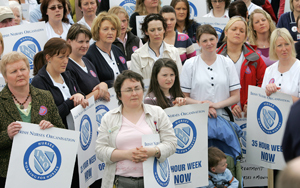
Irish Nursing Protest

Right, first off, let me state clearly that the nurses are legally entitled to do what they are doing. It’s a free country and protesting is their right under law. Let me also say that they obviously feel passionately about their cause, they obviously have strong grievances that needs to be resolved and they aught to be given a fair hearing. Their union leaders are determined, eloquent, focused on the issues and willing to make exceptions for serious cases, and the best of luck to them.

It’s not towards the the nurses particularly that I’m focusing my displeasure. It’s members of the public who are giving the nurses all their support without a thought that get on my goat. Oh the poor nurses! Such hard working people! They deserve a huge increase in their salary and a 35 hour working week and the big, bad government won’t give it to them. Those bloody politicians! Boo Government! Yay Nurses!

Let’s think about this for a minute, shall we?

Who exactly are the Government meant to work for?

Yes. They are meant to work for us.

And who pays the Government?

Got it in one. You. Me. The Irish taxpayers.

And what do we expect our Government to do with our money?

Yep. You got that one too. Spend it wisely.

And what happens if our Government gives in unconditionally to the demands of the nurses?

As certainly as day follows night, other public unions, e.g. the ASTI, will demand the same treatment. And all this at a time when inflation is going through the roof.

And is that spending OUR money wisely?

I think not.

Let’s think about his. Our health system stinks. For years we have had a situation where people wait for months and months for a diagnosis. For years we have had people waiting on trolleys in Accident and Emergency. For years we have had a dearth of hospital beds, sufficiently qualified consultants and generally a piss-poor service. And yet, for years, billions have been plugged into this ailing system. Why so much money for so little in return? Because, instead of the money going in to make permanent structural changes and improvements, it’s generally been going into the wrong places.

Now we can blame successive governments for this situation and we should, but the problem here has been government weakness, not strength, in trying to manage our money.

There is a process in place to resolve pay disputes and it’s called Benchmarking. Instead of supporting the public unions on the picket lines, the public should be sending the message to them loud and clear that they get involved in the the proper conflict management mechanisms, unless we are happy as a country to slide rapidly into current budget deficits and the curtailment of other important services just so as the public wage bill can be satisfied.

If the nurses want better pay and conditions, fine. However, we should be legitimately asking the question as taxpayers – what do we get as a result? Where is the quid pro quo? Because the money to pay them doesn’t ultimately from the government. It comes from our pay-packets. So, instead of booing the government, we should expect them to negotiate hard on our behalf.

So, if you are on a pension, or unemployed, or are on holidays over here from another part of the world then fire away – you may support the nurses to your heart’s content.

If you are paying taxes here in Ireland though, maybe a moment’s reflection is on the cards.

What if humans no longer existed? What if one day, all the animals woke up to find us no longer here? What would happen to the Earth then? Here’s an account that speculates about what might happen next.

I’m fascinated by these things ever since I read a book that associated the rise and fall of human society in Ireland with pollen samples taken from ancient soils.

Cricket Ireland. Uploaded and modified via a Creative Commons license from headlessness (flickr)

Photo courtesy headlessness. CC licensed.

The country is somewhat “bowled over” by having beaten Pakistan in the Cricket World Cup. Cricket is a seriously minor sport in Ireland: Cork, close to where I live, has just three cricket grounds for a population of ~250,000 people. The Irish Cricket Union has just 1,200 members for the whole island. (Ireland has about 6 million people, north and south).

Contrast this to Pakistan, which has 166 million people. Pakistan didn’t win a single medal in the last Olympic Games and its soccer team has never featured in any World Cup tournament. I’m guessing that cricket is really the only game of significance in the country. According to Wikipedia, they were World Cup winners in 1992 and have a very impressive record in the Australasia Cup.

To a Pakistani, Ireland beating their national team must be a bit like San Marino beating Brazil in soccer. Our national soccer coach was nearly flayed alive (metaphorically) by soccer pundits for nearly drawing against San Marino a few months ago, so I can only imagine what the depth of feeling was in Pakistan when the result came through. That said, our soccer team manager is still alive.. The death of Bob Woolmer in some way underlies the personal emotional turmoil involved when a good team struggles at the top grade.

For Ireland, to have such a success in such an unexpected sport can only be a good thing. It’s quite likely we have a wealth of cricketing talent in the country, as one of our more popular games – hurling – demands very similar skills to cricket. Also, we are beginning to see an easing of the unwritten laws that divided many sports into “Protestant” and “Catholic” games. Such a de-politicisation of sport is very welcome.

Blarney Castle

With St. Patrick’s Day on the way, I took a short spin over to Blarney Castle to take a few pictures.

I’ve never kissed the Blarney Stone – the idea of suspending myself under a damp rampart to press my lips against it in the hopes that I will speak more eloquently seems rather pointless, if not somewhat unhygienic. Anyway, I think I have already have the gift of the gab. You don’t want me to get super-charged on gabbing, believe you me. It’s a magical de-gabbing stone I need.

Stream in BlarneyBlarney Castle up close

Daffodils and Lookout Tower

Click on any photo above for more detail.

The grounds of Blarney Castle are delightful. Along with the impressive ruined castle, there are all sorts of structures to discover including a lookout tower, a lime-kiln and Blarney House itself. Then there is the lake, the cave and the Rock Close: a pleasant walled garden not far from the castle. Spring has come early this year, so all the trees are budding, the daffodils are everywhere and the hazel catkins are in full flower. Not a shamrock in sight.

I’ve just uploaded a selection of my favourite photos from the past few years and I’ve set up a permanent “My Photos” page on the blog for easy access.

Most of the following pictures relate to places I have visited in Ireland. Click on the thumbnails to be brought to a bigger photo. I’ll try to annotate them soon if I get a chance.

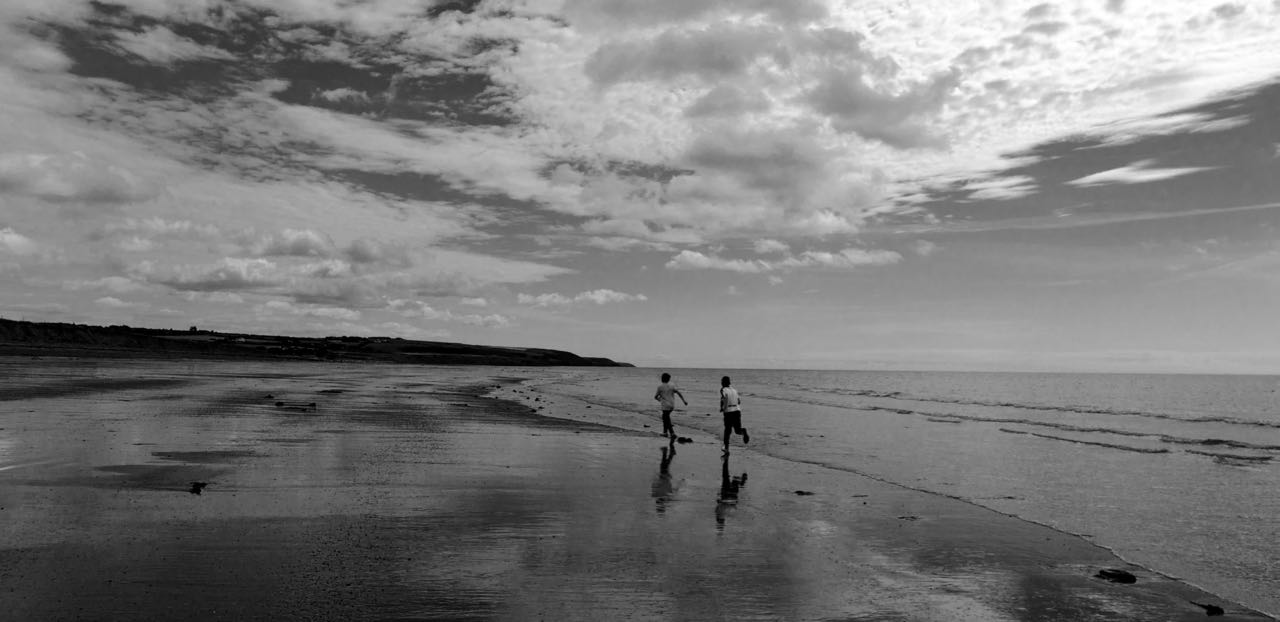
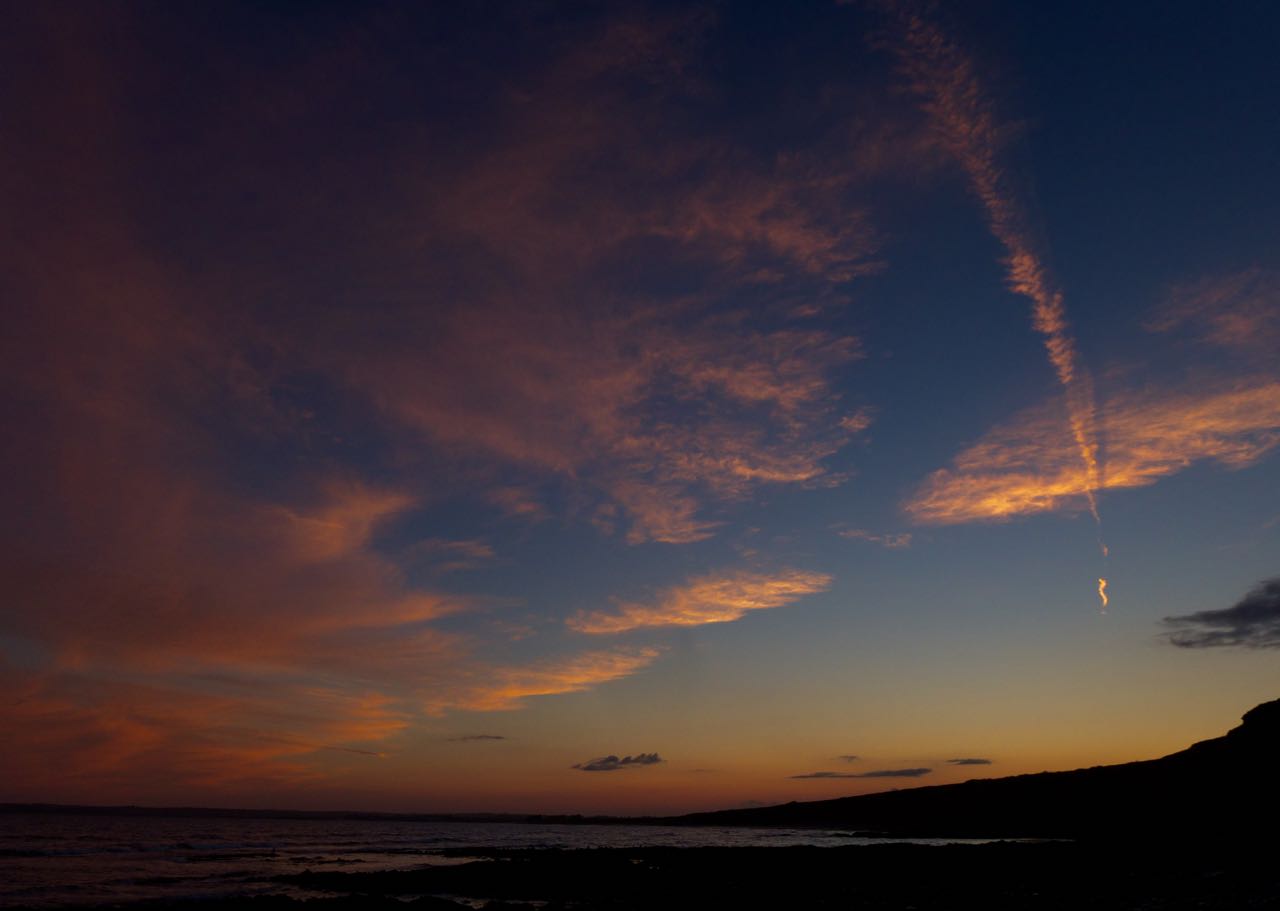
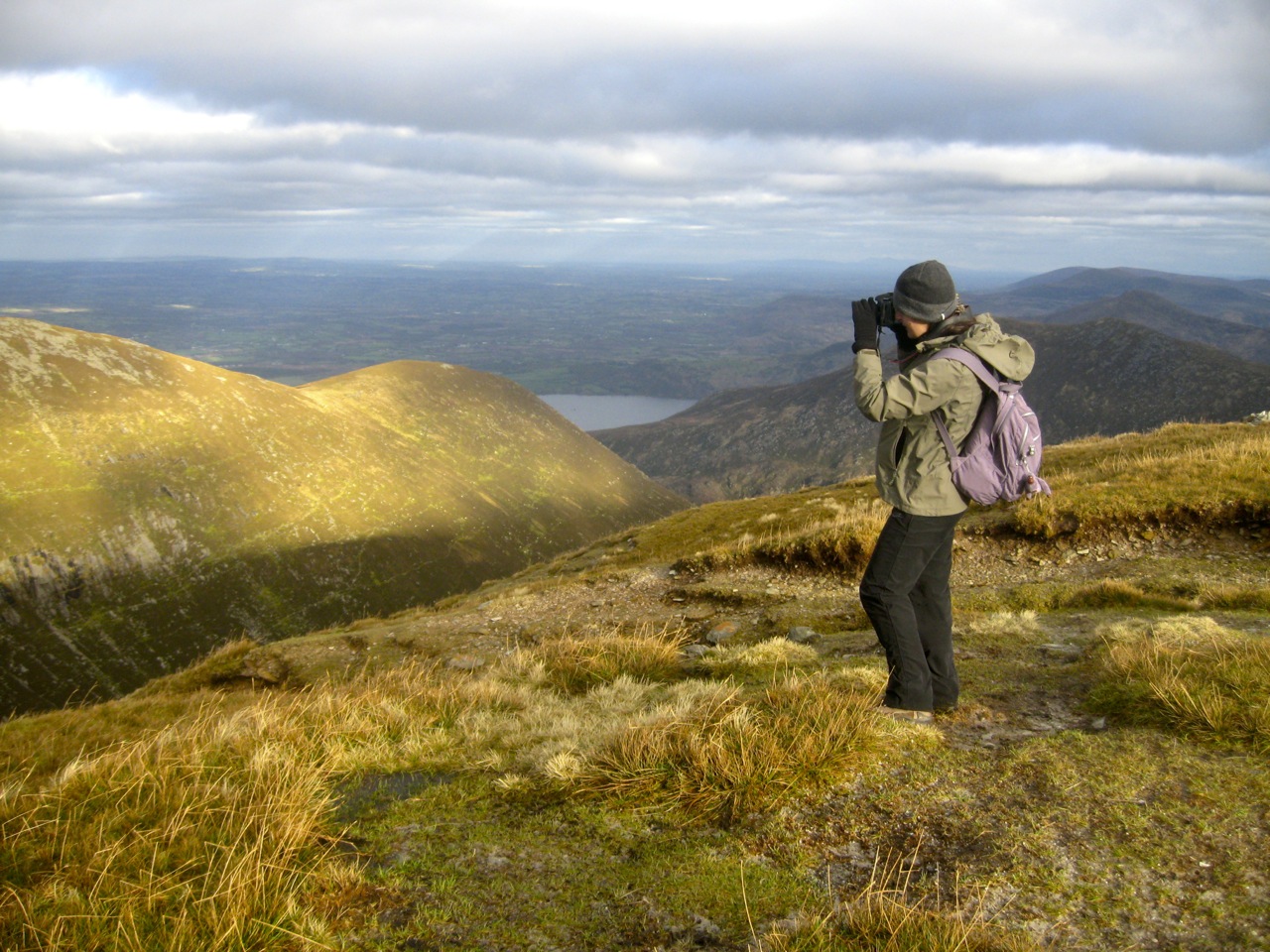
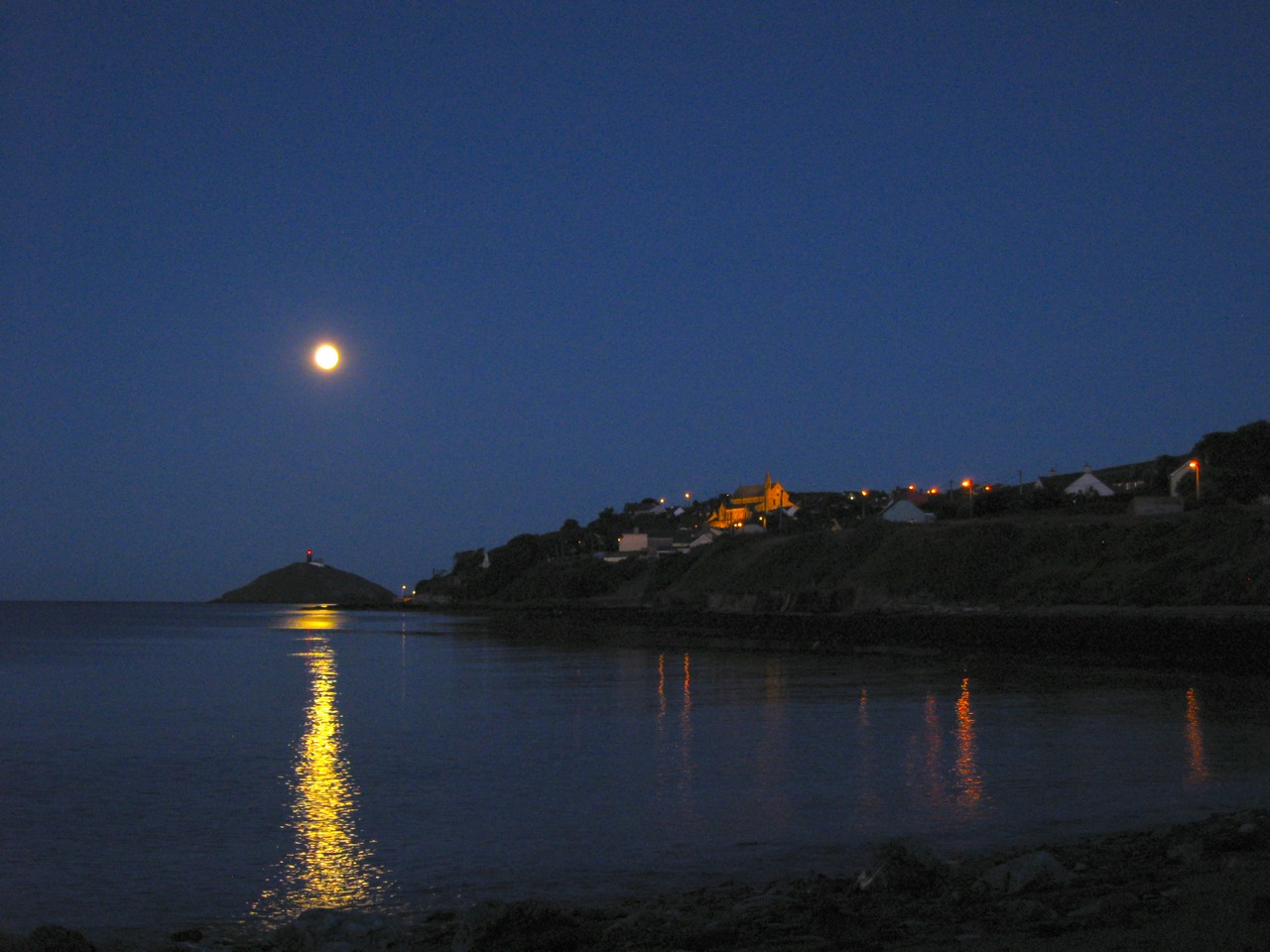
It’s just a reminder to me that I live in a beautiful country.

Panoramas

Winter scene in Kerry Evening scene near Kenmare, Co. Kerry Achill Island 2

Connemara 2004

Roundstone, Connemara, Co. Galway Connemara, Co. Galway Road to Clifden, Co. Galway

Achill Island 2005

Achill Island Deserted Village Achill Island 1 Achill Island Grainne Mhaol Tower Achill Island Keel Beach

Wexford 2005

Scene from Churchtown House, Co. Wexford Johnstown Castle, Co. Wexford Johnstown Castle, Co. Wexford

Kerry 2005

The Blasket Islands, Co. Kerry Gap of Dunloe, Co. Kerry Black Valley, Co. Kerry Sunset in Kenmare

Clare 2006

Clare Coastline - Loop Head Poulnabrone Dolmen, The Burren The Burren Co. Clare

Cork 2006

Stones in Ballybrannigan Bird feeding time, Fota Island, Co. Cork Rostellan Wood Evening scene in Midleton, Co. Cork

Map of Ireland

Map of Ireland by Tourizm Maps © 2006

So far, 2007 has been a momentous year in terms of the political situation in Northern Ireland. Sinn Féin, (the Irish republican party and erstwhile political wing of the IRA), has agreed to join the policing board, announcing finally that the war is over. On the other side of the political fence, the DUP (the majority Unionist party lead by the firebrand preacher Ian Paisley) has greatly lessened it’s rhetoric and looks set to enter into a power-sharing administration with Sinn Féin some time later this year.

Compared to the situation 15 years ago, the current political situation is an incredible departure from what seemed at one stage like an endless war. Even in the last 5 years, the IRA have decommissioned, abandoned criminality, stopped punishment beatings, disbanded as a military organisation, finally agreed to the rule of law and for all this they must be wholeheartedly commended. The Sinn Féin organisation seems now to have fully committed itself to a democratic political path. The ballot box has, at last, won out over the armalite.

Sinn Féin sees itself as being in government, sometime within the next 10 years, both in Northern Ireland and the Republic of Ireland. This is not a pipe-dream by any degree of imagination. (Since the 1994 ceasefire it has managed to garner over 10% of the vote in the Republic, making it the 4th biggest political party here). Their stated vision is to finally unify the island, North and South, to end all British influence there.

My question at this stage is – how? Any attempt to transfer power from Britain to the Republic of Ireland will be robustly resisted by Unionists who have not changed their stance (that Northern Ireland remain British) in the last 100 years and, after the low-intensity war of the seventies, eighties and nineties (a.k.a “the Troubles”), are probably more entrenched in their views than ever. How does a party such as Sinn Féin succeed in convincing Unionists that joining an Irish Republic would be in their best interest? The party is avowedly anti-British, working class, socialist, with paramilitary roots and structures that have created a huge degree of distrust within Unionism – an obstacle I can’t see them easily overcoming in the coming decades.

In addition, Sinn Féin have abided by a system of power-sharing in Northern Ireland which gives proportional representation to minority parties based on their share of the vote. Majority rule is clearly a non-runner in Northern Ireland when the political views and loyalties are so far apart. Sinn Féin are a minority party – the second biggest after the DUP – but the percentage differences are relatively small and it is probable that some time in the next 30 or 40 years, they may become the biggest party in Northern Ireland. The problem for them however is that, having resisted majority rule for so long, they can’t just dump power-sharing when they become the majority themselves. Whether they like it or not, they will be joined at the hip to the Unionists in Northern Ireland for the forseeable future.

Neither is it likely that Sinn Féin will ever become the dominant political player in the Republic. Politics in Ireland is based around coalitions with centre-right parties such as Fianna Fáil and Fine Gael taking much of the vote. Apart from Sinn Féin, none of these parties have much stomach for a constitutional fight with Britain or with Unionists over how they should be governed. It’s a view which would resonate also among a large proportion of Southern Irish voters who are more interested in economic prosperity than they are in some sort of political reunification of North and South.

Sinn Féin, therefore, are left with an aspiration, in much the same way as the incumbent Irish political parties “aspire” to re-unification on the island. When it becomes likely, as I think it will, that Sinn Féin will not make much headway in achieving re-unification, what happens then? Is there a possibility that the old chestnut of Irish Unity will come back to haunt this island again some time in the future, and that, yet again, war or hostilities will break out as they have done so many times in the past?

Hopefully, the answer is no. In the end, the Troubles were not so much about political re-unification as they were about civil rights and achieving political influence and justice for the Nationalist community. A well-run political system in Northern Ireland with true representation and fairness may do a lot to head off any future problems as will a Northern Irish state that works hand-in-hand both with Britain and the Republic of Ireland.

Only time will tell.