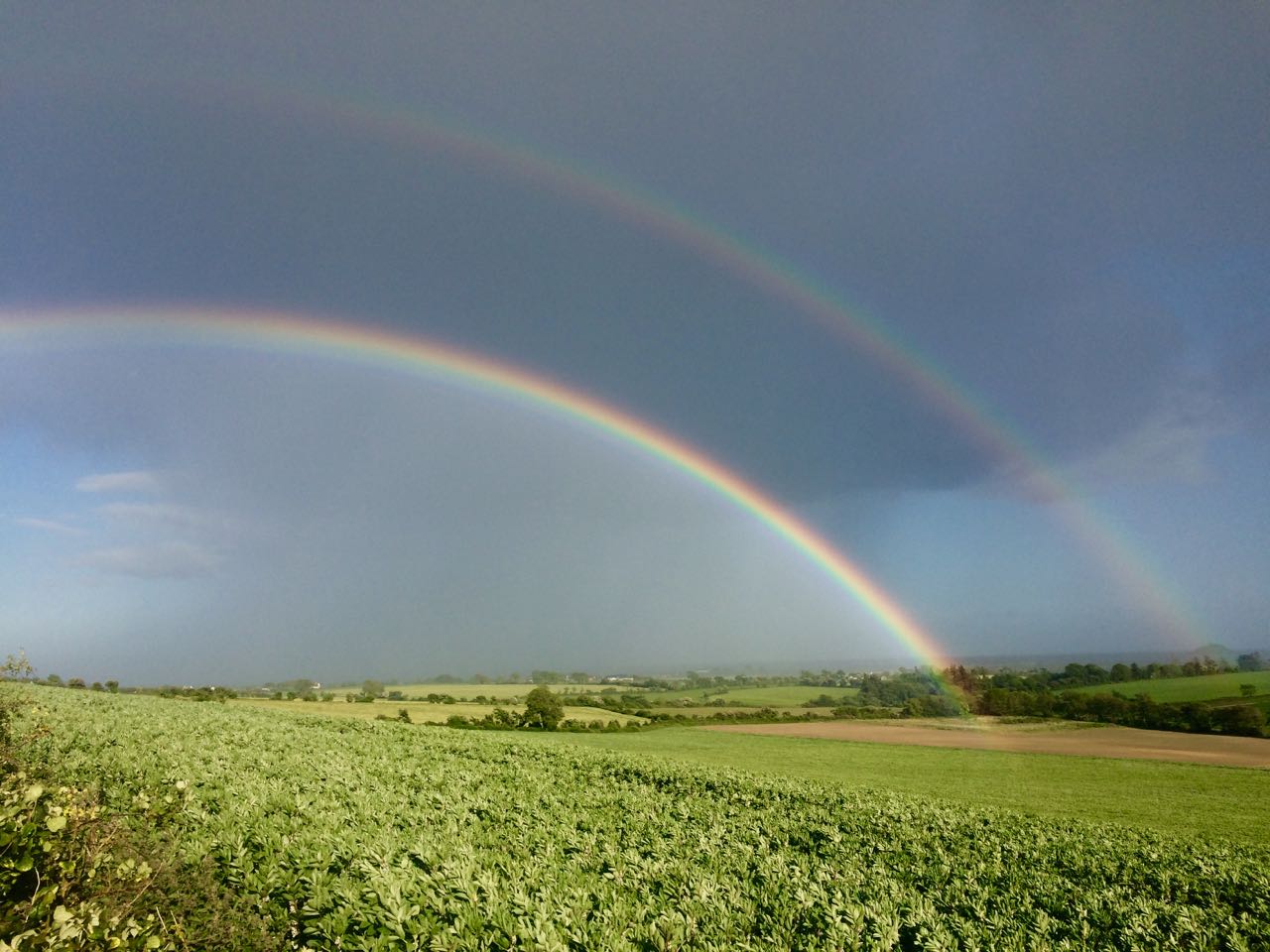
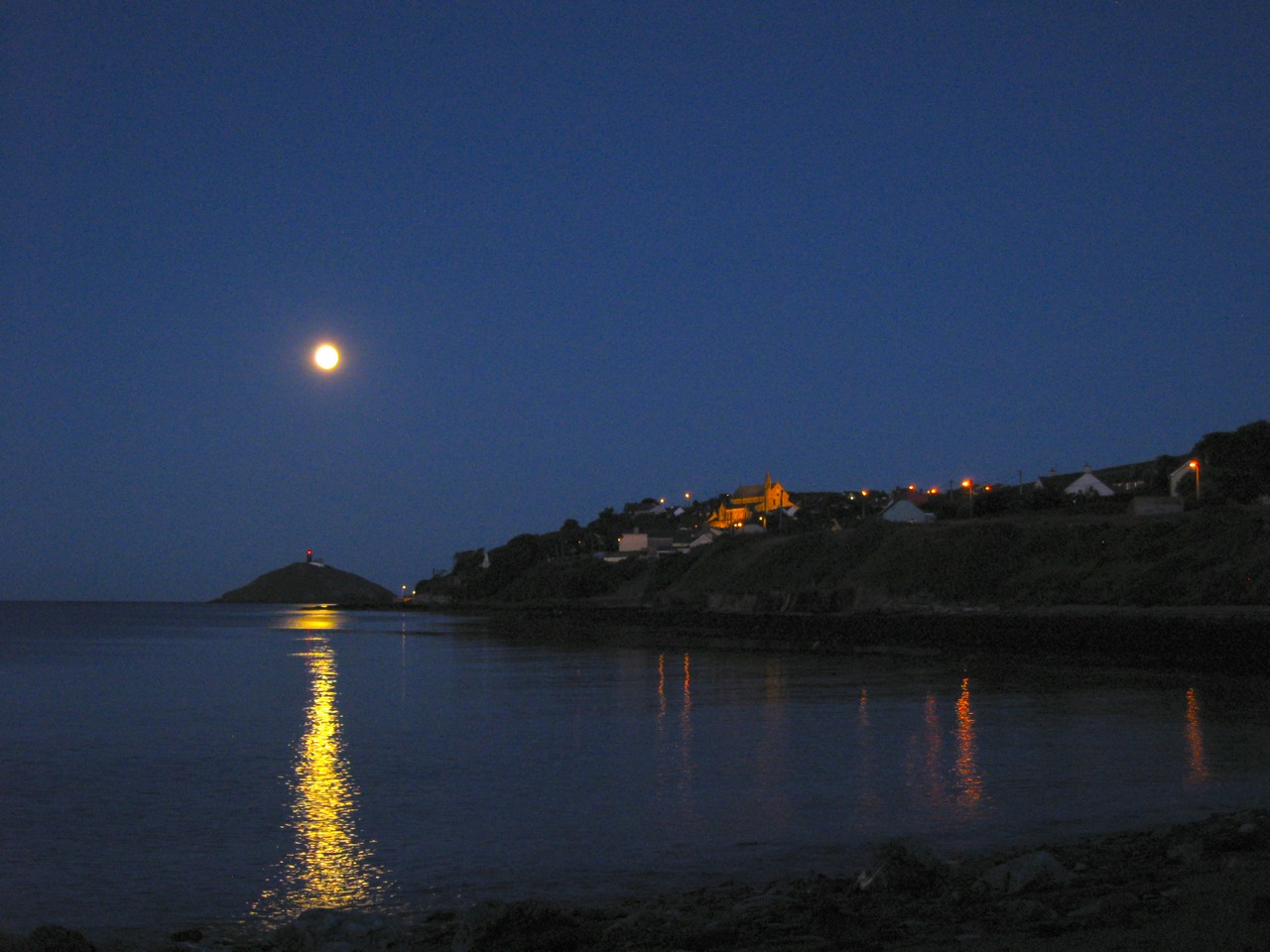
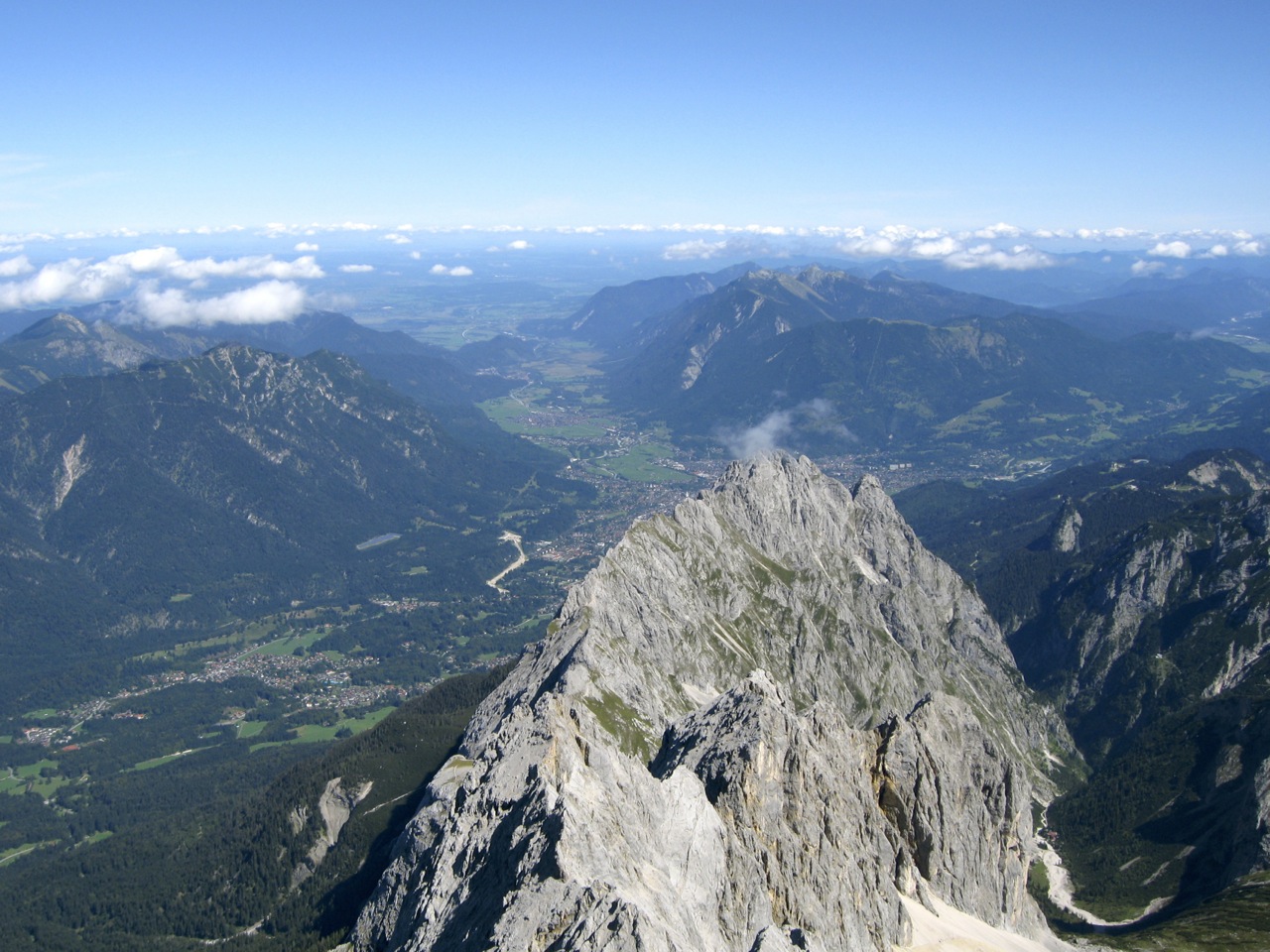
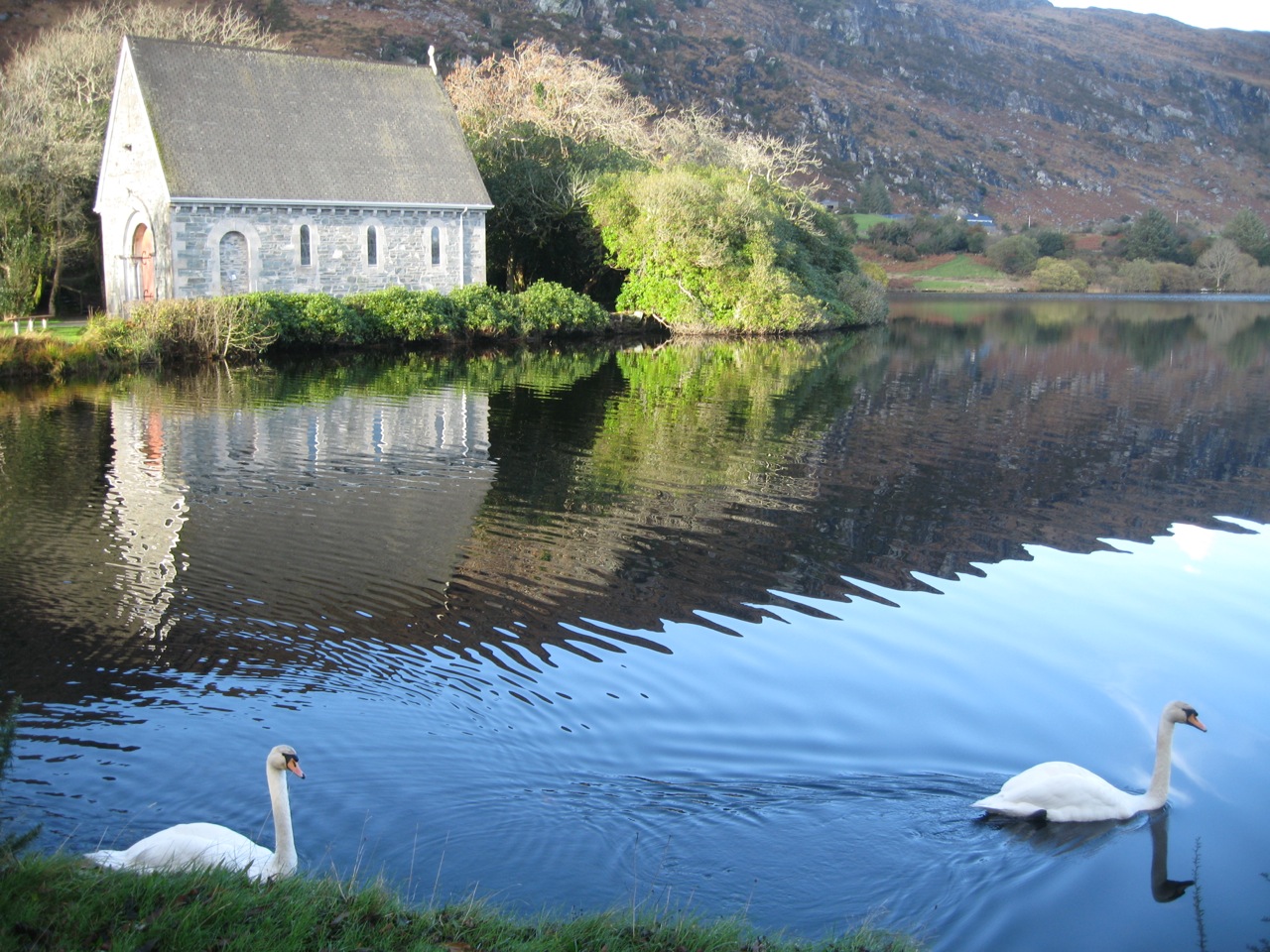
Here’s a photo I took this morning.

(Click to enlarge)
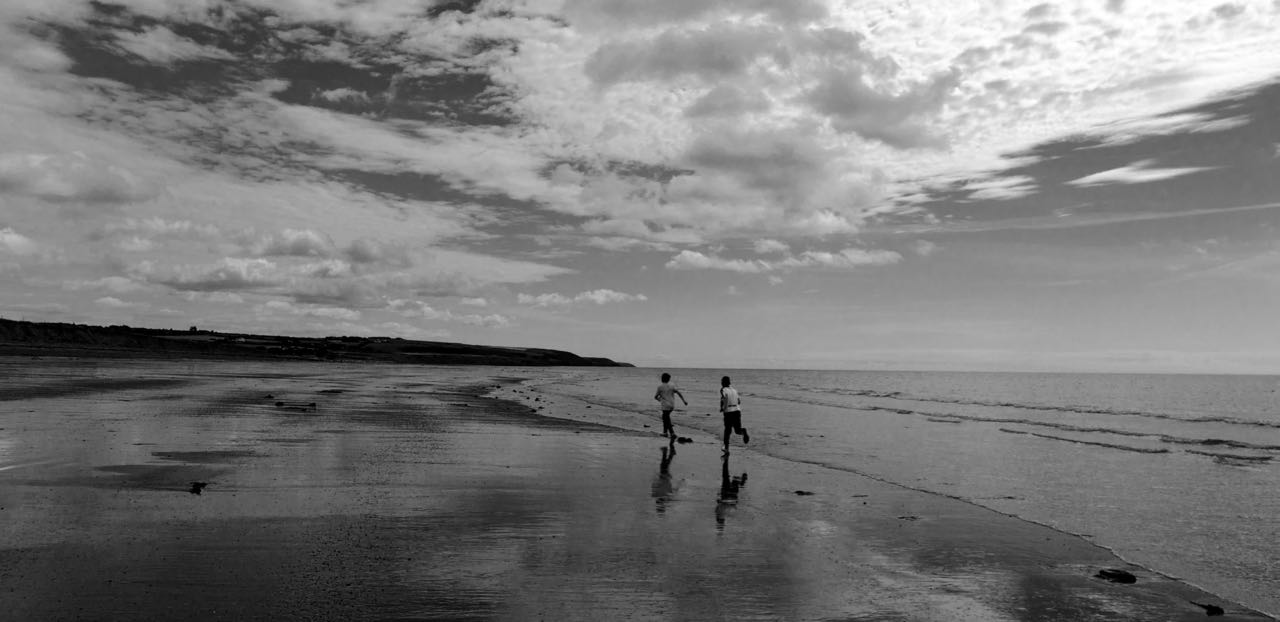
Here’s a photo I took this morning.
(Click to enlarge)
Last week, the Sunday Independent published a curious article about a new water technology that purported to be the “greatest breakthrough in agriculture since the plough”. This alone set my baloney detector into overdrive, and I quickly tweeted about it on our Cork Skeptics account. The story quickly went viral, catching the attention of the sceptical community in the UK and Ireland, appearing on various blogs, forums and news aggregators and getting some media attention too.
The article outlines a “groundbreaking technology” that, when applied to plants, increases their size and output, making them largely disease resistant too. What is this technology, you might ask? Water. Or more specifically, water energised by radio waves. Like, who’d have thought of that?
The article fails to convince on a number of levels. First of all, there are the exaggerated claims. Not only does the writer refer to the technology as the greatest thing since the plough, but he mentions huge savings in fertilisers, believes it can combat global warming and alludes to gigantic chickens and sheep. Then, there are the swipes at the standard bête noirs of the alternative community: pesticides and GM foods. Then there’s the muddled science that adds radio waves to water to create a miracle substance: as if nobody has tried that one before. In addition, there were the appeals to authority – the “foremost agricultural specialist”, the Kew references, the University of Limerick and Indian Government associations.
Overall, it was a badly written article that read like a rushed press-release. It all sounded too good, too amazing, too miraculous, to be true.
I took a quick look at Vi-Aqua’s website and immediately I came across another red-flag: its lack of any side-effects. Vi-Aqua was quickly looking more like the agricultural equivalent of Homeopathy, the long discredited alternative medical treatment that has no side effects precisely because it doesn’t actually do anything. And what did I find in the “Full Scientific Proof” Report on Page 8? Yep. “Magnetic Water Memory”. In other words, Homeopathy.
Then, on Page 8: “To date no supporting scientific papers have been published”. Then why make such outlandish claims in the national newspapers? It seemed to me that we were seeing another Steorn, another Cold Fusion, another Arsenic Life, where the normal peer review process was being bypassed in order to generate media interest.
Andrew Jackson of TCD got on the case. He had a few commentaries to add: the paper cast a wide net in order to identify apparent statistical correlations, it referred to pig studies that were unblinded and inadequately controlled. None of the studies adequately supported the wild claims the article was making.
Broadsheet.ie picked it up. In the comments there was a link to a “Gallery of Water Related Pseudo-science”, in which Vi-Aqua got a mention. We also learned that the technology had been around since 2004. There was also a Reddit link with a commenter claiming that they had tested this stuff in 2007 with no discernible effect.
Then there was the Kew connection. The Sunday Independent article said the following:
In recognition of the groundbreaking technology, the Royal Botanical Gardens at Kew, London, recently took the hitherto unheard-of step of granting Professor Austin Darragh and his team the right to use their official centuries-old coat of arms on the new technology – the first time ever that Kew Gardens has afforded anyone such an honour.
A friend contacted Kew Gardens, and although initially the response was that they endorsed Vi-Aqua, I received a tweet later which said “Thank you your interest. Kew has not endorsed these products since 2006. The article in the Irish Independent was inaccurate.”

This pretty much brings us up to date. It would be good to hear more from Kew Gardens and from the Warrenstown people, with a review of their controls from a scientific perspective. It would also be interesting how comfortable the University of Limerick is about this, given that they appear to be associated with these claims.
Many thanks to Donncha (for alerting me to the story in the first place) and Andrew, John & Christian for the further insights.
Also worth a read is my previous blog entry on Austin Darragh, where, on national radio, he associated Chronic Fatigue Syndrome to antibiotics.

Our departure point last weekend was Ventry, near the town of Dingle. From there we made our way to An Blascaod Mór, the Great Blasket Island, homeland of Peig Sayers. A small community lived on this island until 1953, when they were re-located to the mainland. Close by the beach is a large colony of common seals, curiously observing us as we collected some passengers for the rest of the trip.
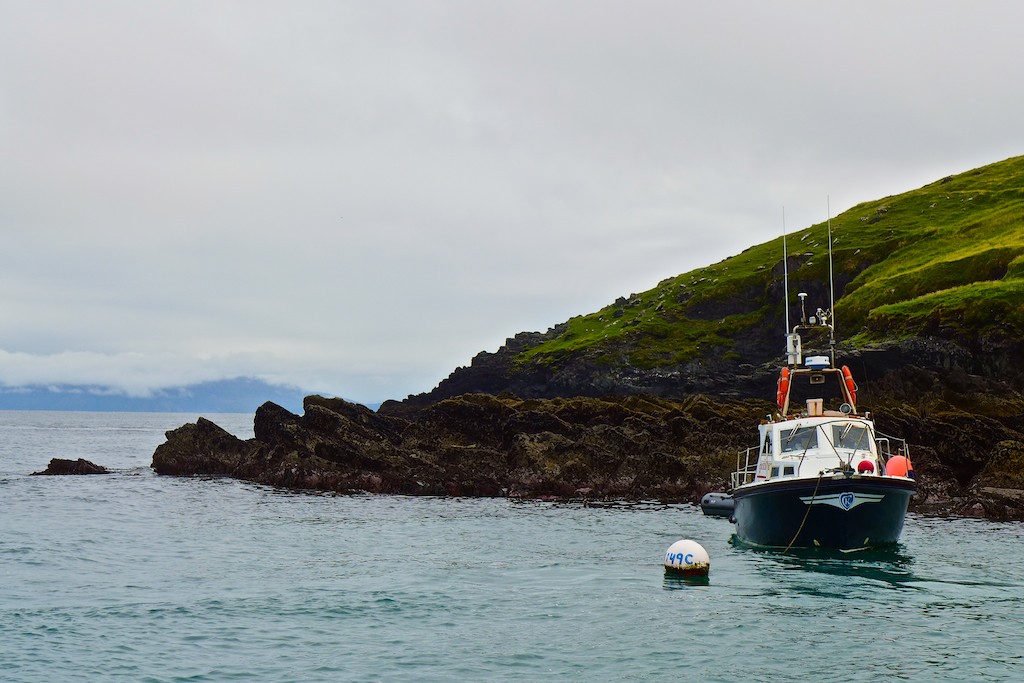
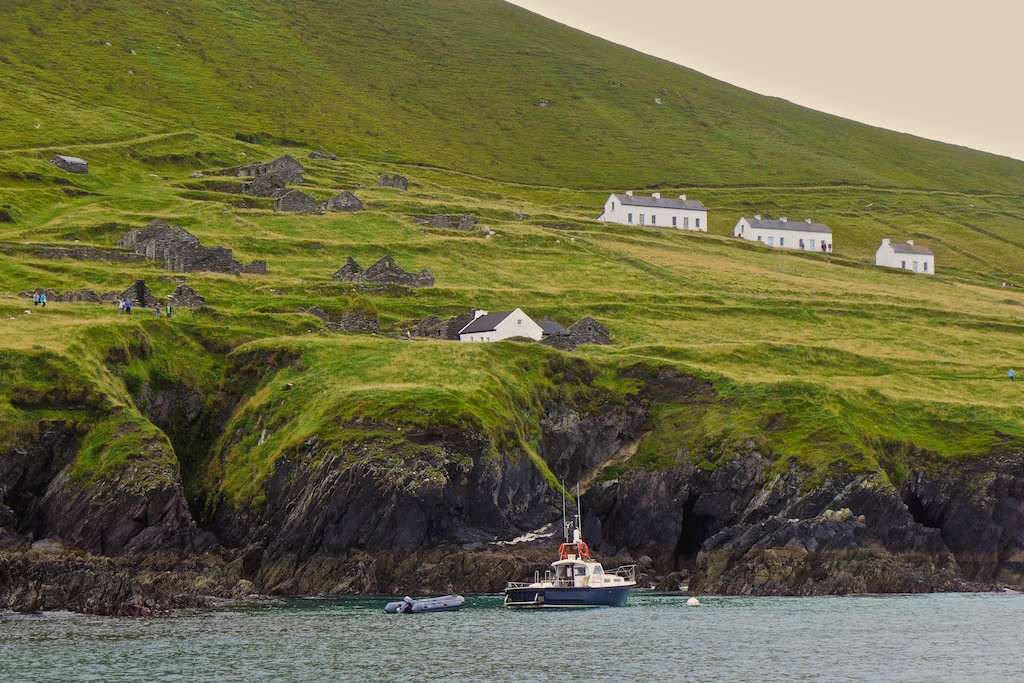
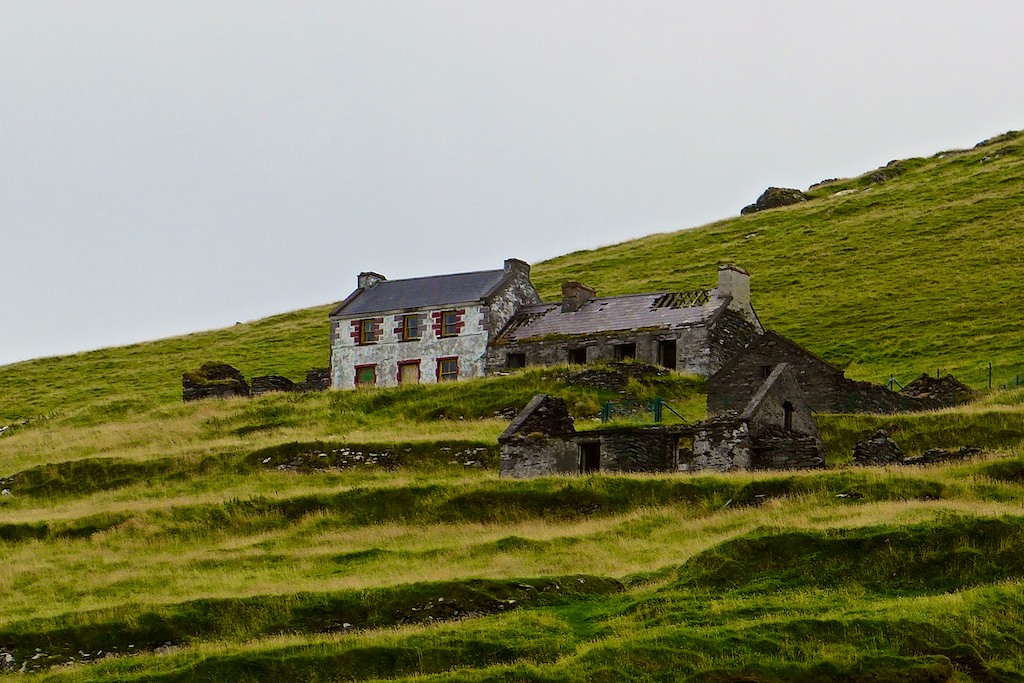 Our next stop was Inis na Bró, with its cathedral-like rock formation to the north of the Island. In the distance was An Tiaracht, rising out of the waters like a great pyramid.


Onwards to Inishvickillane, second home to the family of Charlie Haughey, the controversial politician who held sway over the country in the 1980’s. The only permanent inhabitants of the island are a large family of Red Deer, seen here on the eastern cliffs, not far from the Haughey residence.


We headed then towards open water, where a different world awaited us. I spotted a harbour porpoise, then an ocean sunfish basking on the surface until the boat came too close. Then suddenly, a cry from the front: “dolphins approaching”. A small pod of common dolphins surrounded the boat, leaping out of the water and rushing close to the bow at breakneck speed. It was over way too fast. Before I had a chance to take any photos, they had lost interest and we were heading back to the mainland, Manx shearwaters, gannets and puffins escorting us back to land.


Yesterday, all the roads around us were closed off to allow a one-day rally to take place. It was quite an event, with dozens of souped-up cars powering their way around these quiet roads; revving and backfiring and braking and changing gears with furious intensity.
Many of the cars were part of an era now long gone: Ford Escorts, Talbot Sunbeams, Opel Kadetts. A few Honda Civics and Toyota Corollas made it through too, but the older cars, particularly the Escorts, were there in great numbers.
Single shots don’t convey the speed and might of these cars, so I used the “Slow Shutter” app on my iPhone to take photos. It takes multiple photos over a short period, then merges the photos into a single image. I used a “Light Trail” setting to get the desired effect, putting more emphasis on the last photo in order to get a clear primary image. It wasn’t the easiest thing to do. To achieve the desired effect, I had to start filming one or two seconds before the car passed by. Too early and the car would still be too far away. Too late and the car would have disappeared before filming stopped. Nevertheless, I got a few good shots from the event, making it all worthwhile.


Over the past few weeks, I’ve been experimenting with a different type of time-lapse shot: one where I take just one or two photos a day, and then bring all them together into a short movie.
The subject was an oilseed rape field close by the house. I noticed it was coming into bloom, so I decided to follow its progress as the entire field turned bright yellow over a two week period.

The resulting video captures the changing weather of our country. Every day brings something new, as rain gives way to scattered clouds, with the occasional sunny day thrown in every so often. Another reminder of the beauty of our countryside.
We had a anxious time earlier this week. One of our cats hitched a lift in my car when I was heading to work on Monday morning. The cat made a run for it about 100 metres from the house, but did know how to get home. That evening, despite frantic searches all around the neighbourhood, the cat was still missing. 
The following day, we decided to concentrate the search in the area she went missing. Almost immediately we heard her calling out and within minutes she was safely back home.
While conducting the second search, I filmed this time-lapse. It was a beautiful evening, with a fog bank swirling close by Ballycotton island.
Yesterday, we had strong showers and hailstorms, so I set up another time-lapse as a fairly intense system passed us by in the distance. Luckily, our cat didn’t have to face that.
Minister James Reilly must face a panel of 4 doctors and two psychologists if he wishes to keep his job, a government source revealed today.
“I really want to keep my job”, Reilly was quoted as saying, “but the doctors and psychologists think I’m a danger to civil life, and they are suggesting I abort my well paid government position as soon as I possibly can”. According to draft legislation, Reilly can appeal to a further panel of doctors and psychologists, but he faces stiff opposition. “We expect this legislation to go full-term, but not if it emerges out of an asshole”, commented one doctor, who wished to remain unnamed.
Since he became minister in 2011, his political life, rather than the health of his citizens, has been foremost in his mind. Now an expert panel will rule over whether his right to choose trumps the choices of everyone else, or whether this latest act, in a long sequence of mishaps, is political suicide.
A source close to the situation believes a termination is the only possible course of action in this instance. “Ideally it might lead to resignations on demand, but I wouldn’t bet my life on it.”
Instead of visiting the St. Patrick’s Day parades, we did the annual Ballycotton to Ballinrostig cliff walk. It’s the only occasion in the year when the coast is opened up to the public. In clement weather it’s one of the country’s most beautiful hikes, travelling over fields, cliffs and rolling hills with the sea to your left all the while. The walk takes in the beaches of Ballycroneen, Ballybrannigan and Inch. This 19km walk is one to be savoured every step of the way.
The conditions today were perfect. Plenty of sunshine, no winds and crystal clear visibility in all directions. As you can see from some of the shots below, the real winner were the skies: they were incredibly varied and detailed: a photographer’s dream.
The walk from Inch Beach to Ballinrostig is the most challenging part of the journey for the weary traveller. The soup and pint at the end make it all worthwhile.


I took a brief time-lapse movie at the end of the walk. This video details the slowly rolling clouds from Inch Beach. I hope you like it.
Today I climbed Temple Hill in the Galty Mountains. While Temple Hill is neither the highest, nor the most challenging peak in the Galtys, the walk is enjoyable with a rewarding view at the top. It’s a good introductory walk for novices too – the pathways are well marked, the ascent is mild and not too muddy. All in all, something of a gem in the Galty mountains.
Visibility was good, but temperatures were below zero and there was a slight breeze. An extensive sandstone cairn at the top provided some comfort from the bitter winds.


While at the top, I set up the tripod and took a time-lapse movie looking over at Lyracappul. It’s about 20 minutes of footage squeezed into just 37 seconds.
There’s something about Cork City on a damp Saturday morning. It’s as if the city itself is recovering from the night before. There is a fragility and a softness to the place. It’s a town in dire need of a cup of strong coffee.
A few hours later and it will have its act together. By then, the moment will be lost.


 Passive Impressions