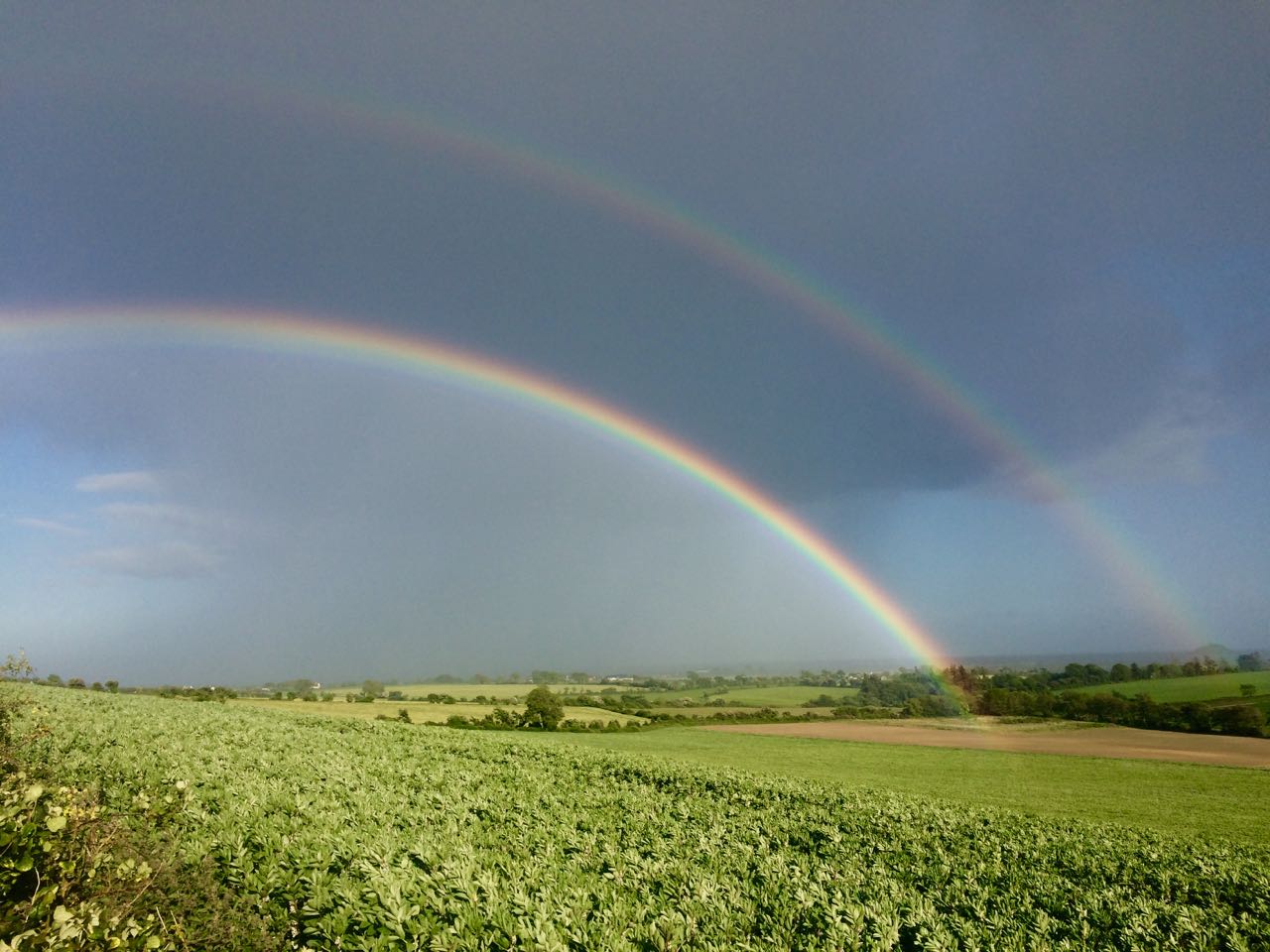
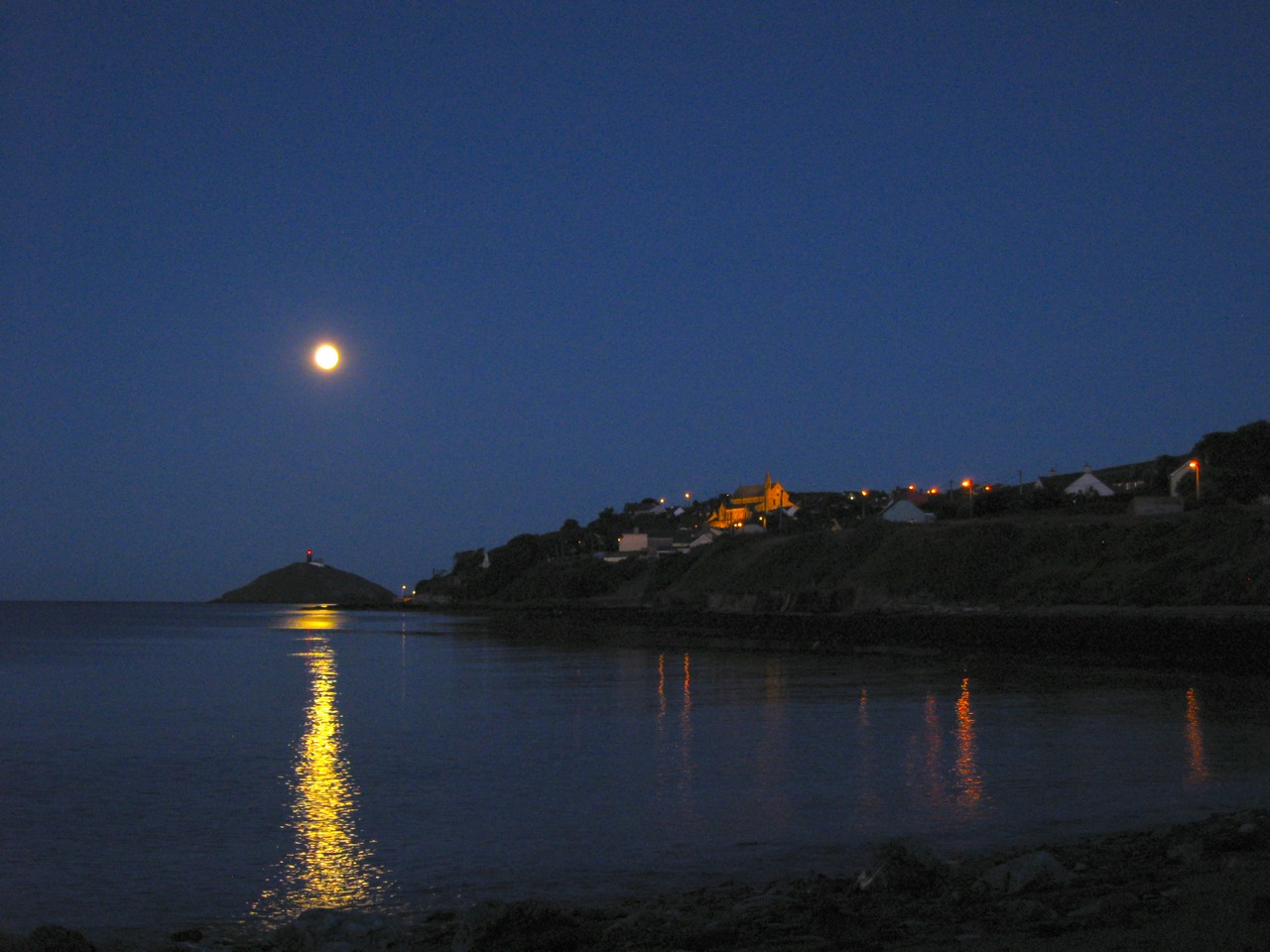
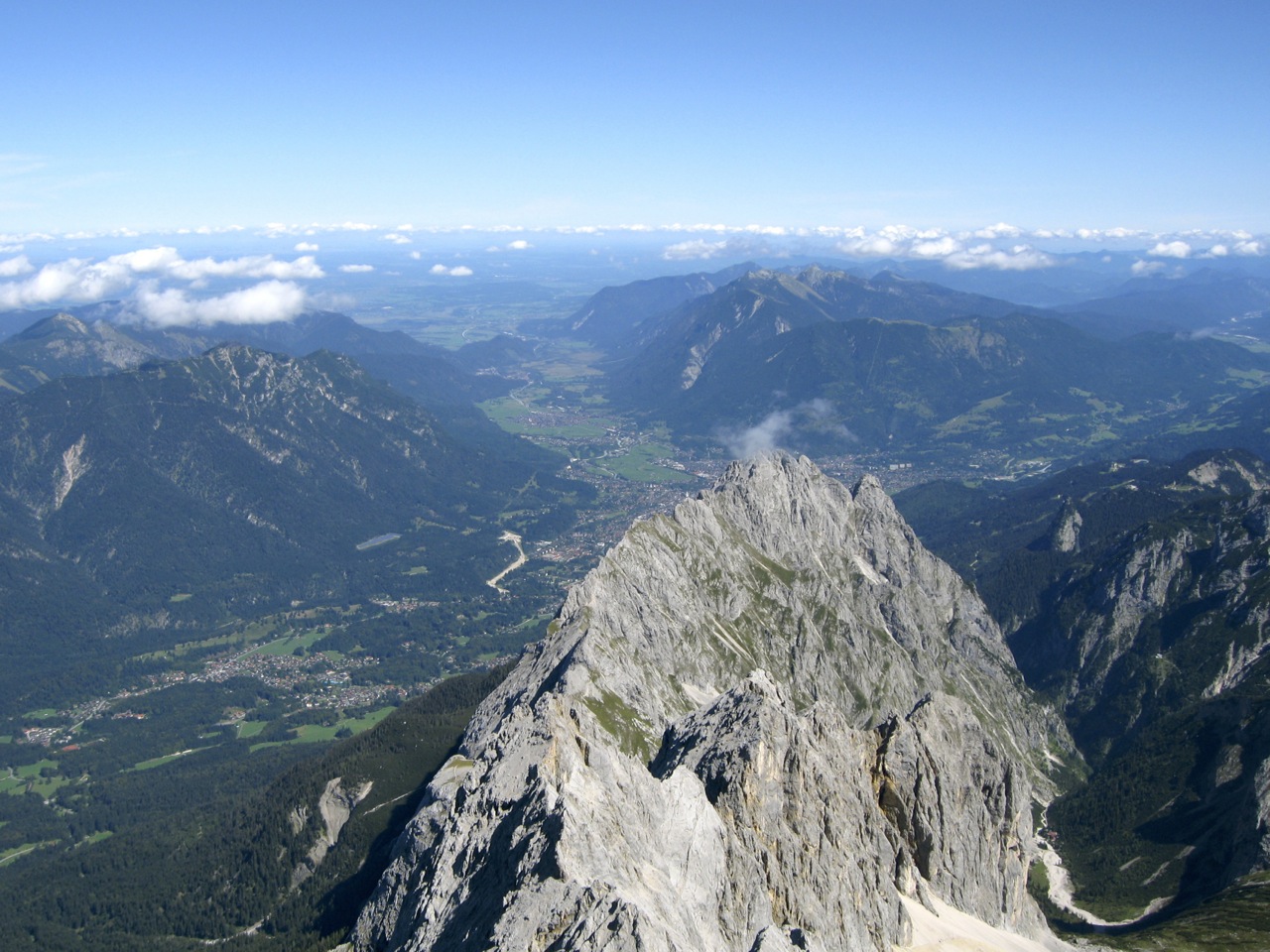
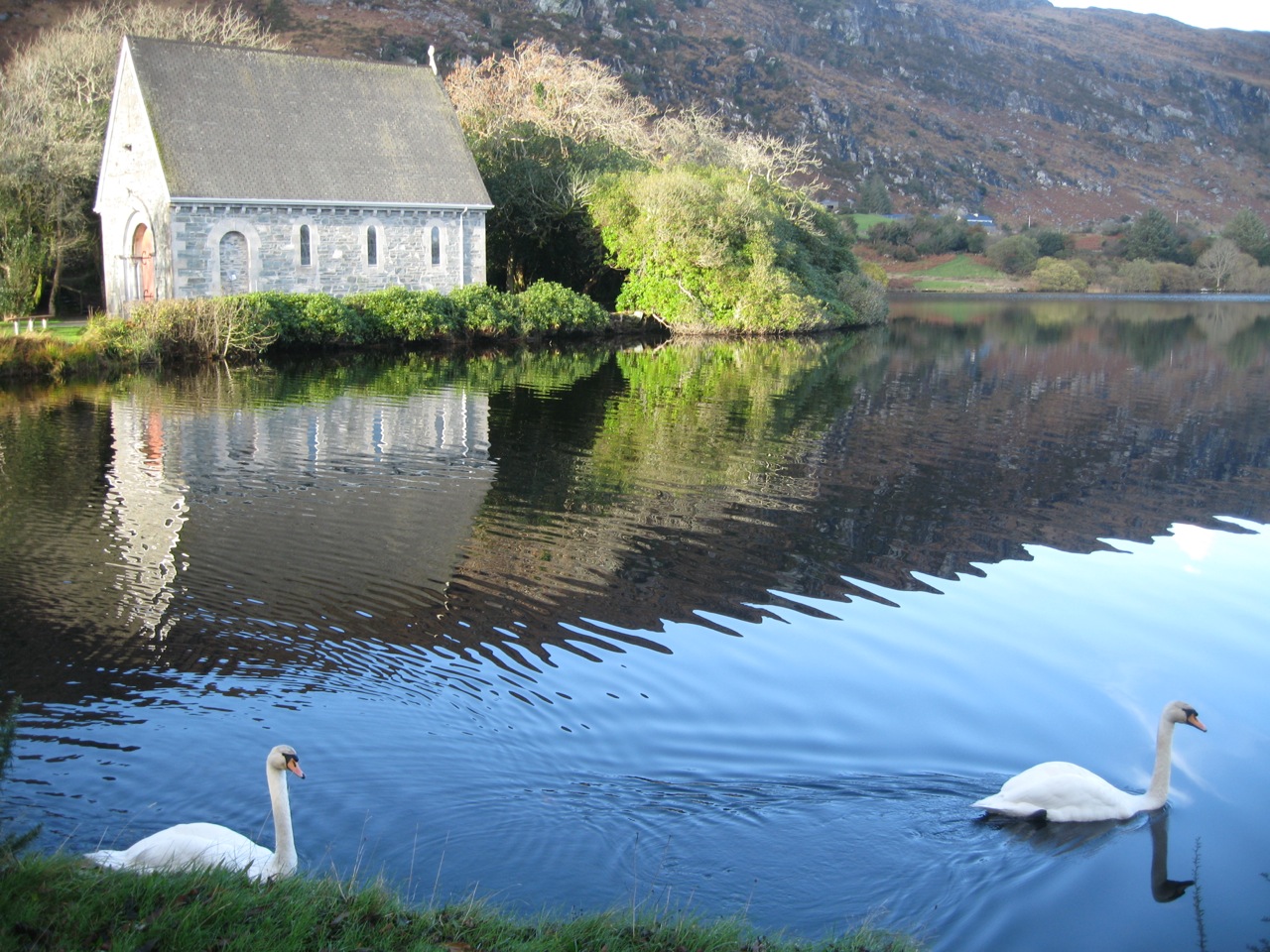
Here’s a photo I just took a few minutes ago. Perfect light.
Click on the photo to enlarge.
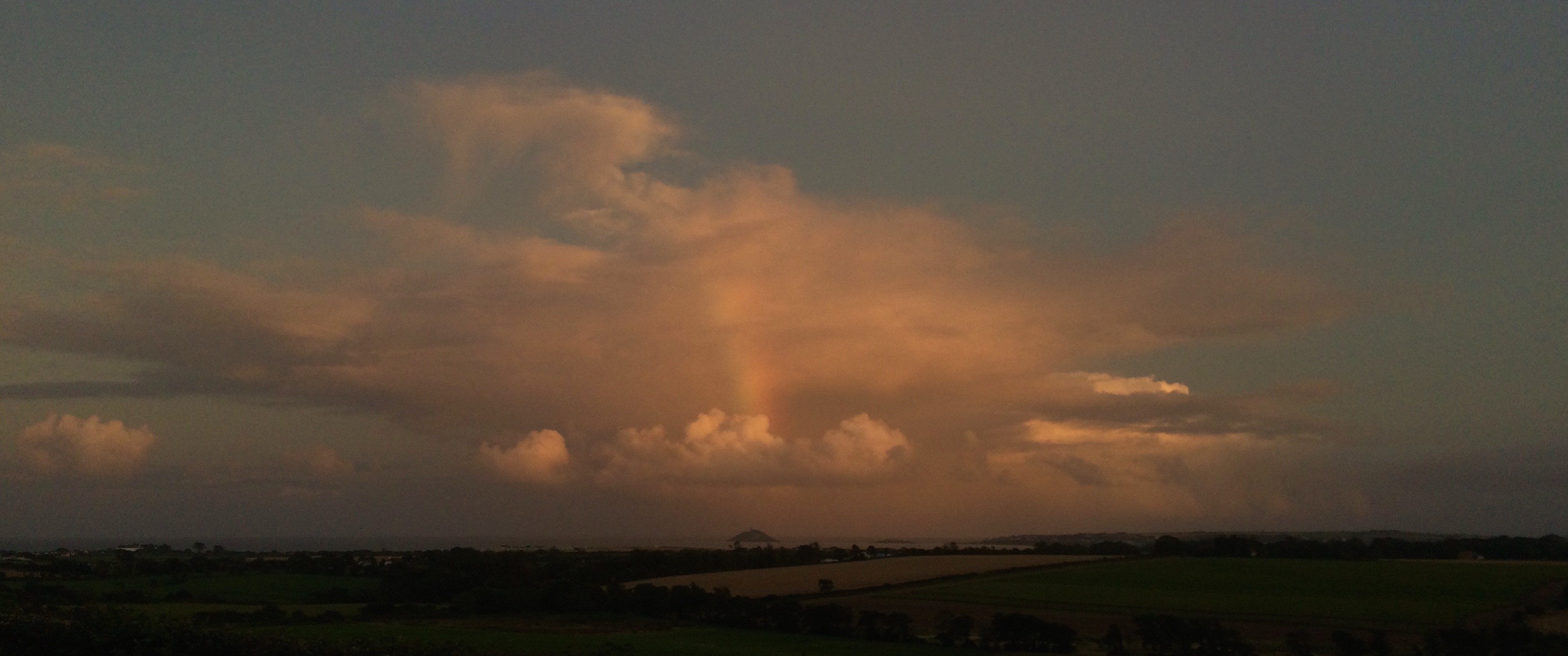
Here’s a photo I just took a few minutes ago. Perfect light.
Click on the photo to enlarge.
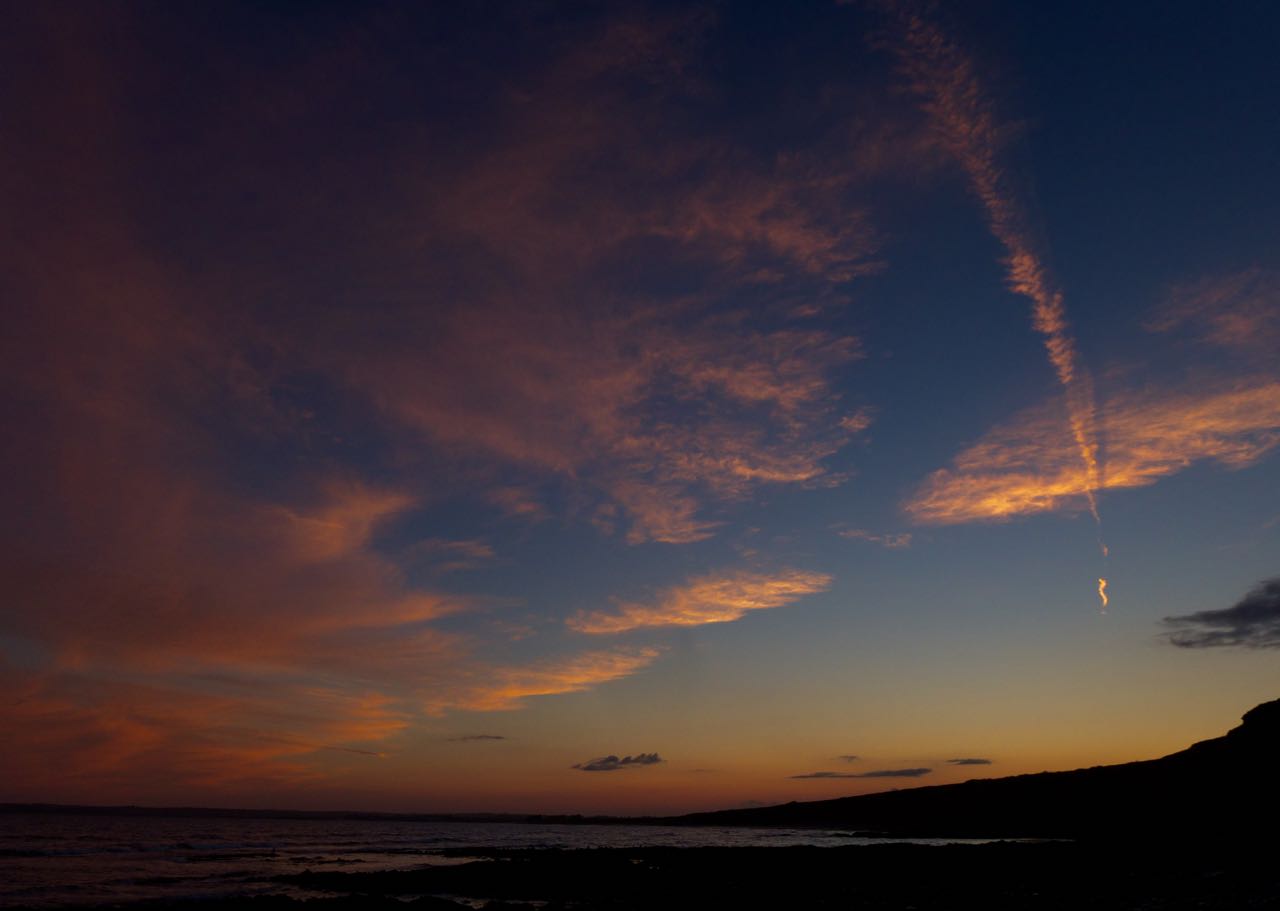
Another photo from Garryvoe, taken a few weeks ago. Despite often inclement summer weather, the clouds in this part of the world can be incredible.
Click on the photo to enlarge.

Posting a few photos from recent weeks that I’m happy with. I’m learning to use Affinity Photo (a Mac version of Photoshop) so it’s something of a learning curve.
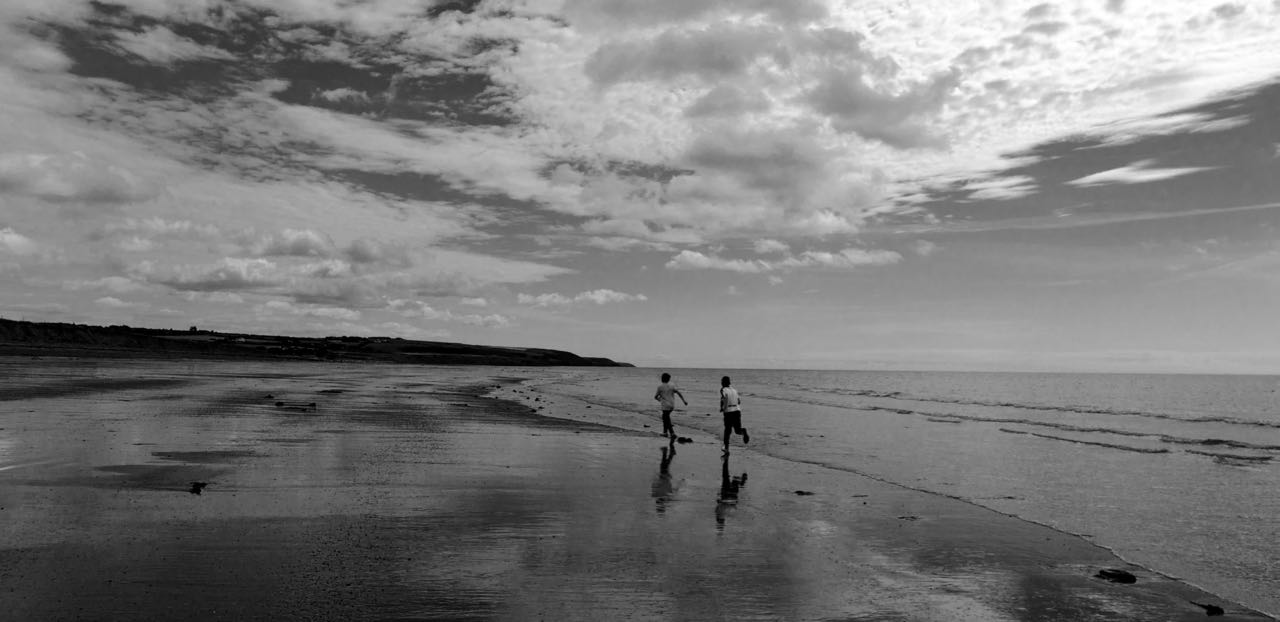
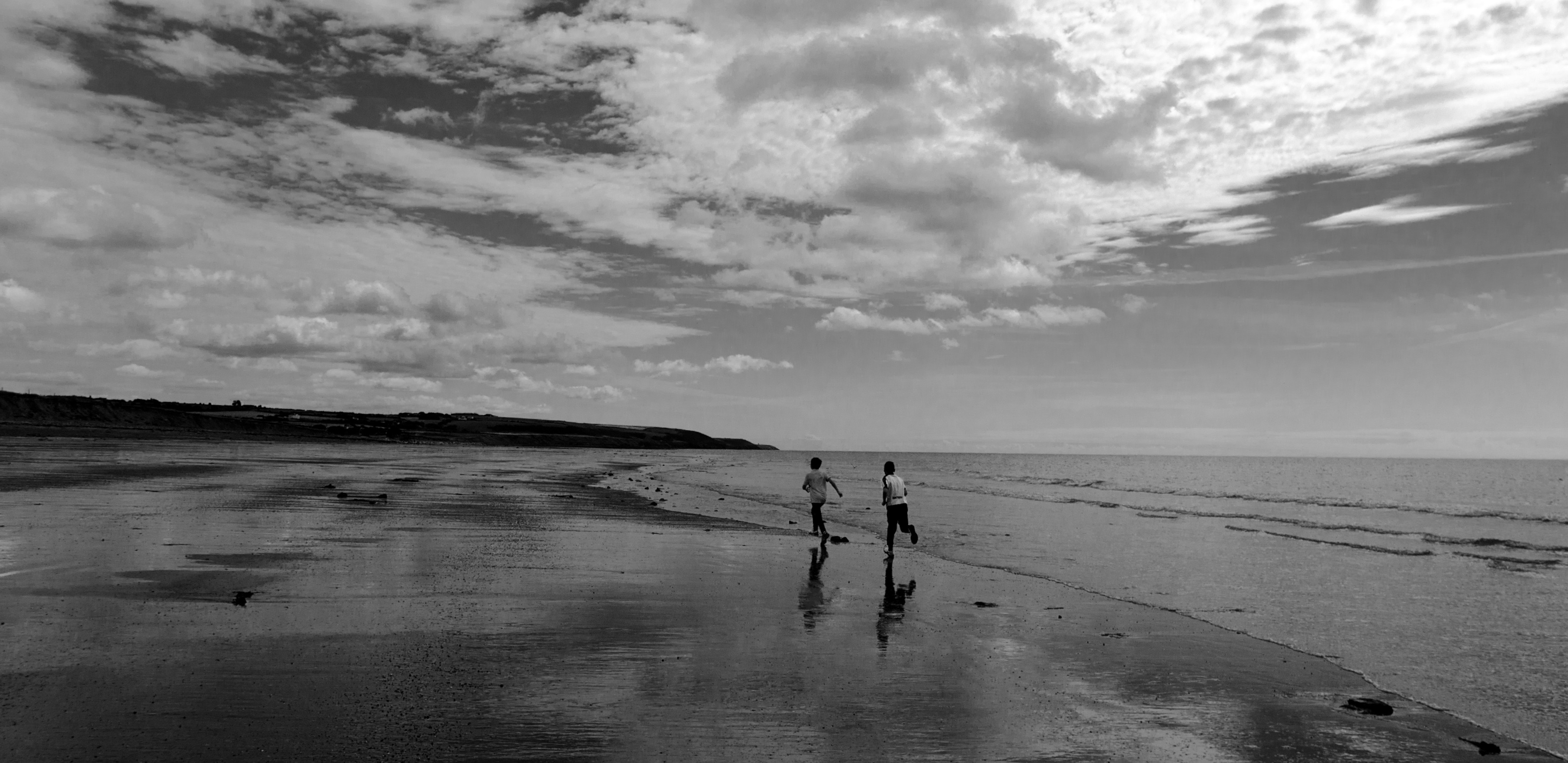
This is a photo of my two boys running on the beach in Garryvoe.
Some more photos soon.

cc licensed Burns College, Boston College.
Often enough, both in real life and social media, I come across people who lament the past. “Ah, we were much more free back then, we could do as we wanted, and weren’t we all so happy”. This kinds of “och ochon” sentiment makes me want to puke. I’m not doubting that they had mostly happy childhoods, but implicit in their writing is that current kids cannot possibly be as happy as they were back then. To which I call bullshit. The only thing they are demonstrating are the massive defects in their memories. So here are just a few things that are much better now in Ireland than back then.
It might be hard to believe, but Ireland was a much filthier place in the 70’s and 80’s. The plastic bag levy had not yet been imposed, so we used to hang them on any available tree. It was a long time before businesspeople took action to name and shame town councils and villages into making even half an effort. There was no such thing as separating rubbish – everything went to landfill. I remember finding a dead calf in the ditch on the way home from school once. We are still a filthy nation, as David Norris recently said, but relative to decades past, there are signs of hope.
Until 1981, teachers could belt kids with fists, sticks and leather straps if they got out of line. The only psychological diagnosis for kids who stepped out of line was that they were “bold” and the only remedy on offer by the teachers was 6 of the best in front of the class. Slapping kids was a great way for teachers to release their endorphins, but fuck-all use besides this. It didn’t make classes more disciplined (they weren’t) and it didn’t stop us being extraordinarily cruel toward classmates when the teacher’s eyes were looking elsewhere – leading by example and all that.
Road journeys were a nightmare when I was a kid. Apart from the Naas Dual Carriage Way, no roads in Ireland even came close to being adequate. Hardly any town had a bypass, so the road trips were a continuous succession of bottlenecks and queues, exacerbated by the atrocious parking in every small town you passed through. And Ireland was pothole central – full of gaping voids into which cars might disappear forever. We think nothing of a 2 and a half hour trip from Cork to Dublin. Not long ago that would have been the stuff of science fiction.
The day after a sunny day in Ireland, intense pain would grip the nation. The whole country was filled with people with tomato red faces, necks, arms and that soft bit behind your knees. A few days later and we were all peeling like snakes. Misguided by the notion that a sunburn would “set the foundations of a good tan”, we would strip off and let the UV go to work on our skin cells. It’s not that sunscreen didn’t exist. It did, but nobody really saw the point of it. Better to dab on that useless aftersun lotion later on, in a vain attempt to ease the agony.
Ireland only introduced a National Car Test in the 1990’s. Before that, our roads were full of the most ancient, crapped out bangers you could possibly imagine, all contributing to those nightmare road trips. Seat belts were either absent or optional, and most kids spent their journeys lying on the flat area beneath the back window of the car, or sitting on their mammy’s lap in the front passenger seat. And it’s not like people didn’t pay badly for this fecklessness. 600 people used to die on Irish roads each year during the 1970’s – over 3 times as many as now. Those who lament the freedom were not the victims of this carnage. They were just lucky.
When I was a kid, we had just one radio station – Radio Eireann. It was talk radio with a good daubing of religion, sport and traditional Irish music. The full Catholic Mass was a mainline program on the radio every Sunday morning. TV was not much better. Radio Luxembourg and pirate radio stations were wild, lawless and frowned upon. Younger people only got their first music radio station in 1979, a full two decades after rock and roll kicked off in America and Britain.
We all looked the same too. Everywhere you looked, it was the same pasty faced (and occasionally sunburned) people in every town, in every locality. If you looked different, it’s likely you would have been stared as you walked down any street in Ireland. Casual racism tripped off the tongue and people wouldn’t bat an eyelid. Sure they were all grand, but you wouldn’t want one living next to you. Of course we were all into the black babies god love them, but it was far from an egalitarian view – underlying it was a sense that they weren’t able to cope as well as the rest of us.
Like a constant drumbeat, the news from “The North” used to keep us in an almost permanent state of depression. Every day there was some interjection of hatred, some killing and bombing, some fucking godawful atrocity, to remind us that we Irish were a screwed up lot. True, “The South” was a quieter place, but there was a sense that this was a particularly Irish problem, with our religious differences and our 17th Century animosities, still boiling away like a volcanic rupture that could never be healed. And you dare not say anything about the IRA, lest the word got around. Of all the shit things about growing up in Ireland, this was among the worst.
What more needs to be said? Princes and privilege and power and that total arrogance that enabled every single thing to be swept under the carpet until it all came vomiting out in the 1990’s and 2000’s. Awful, awful, awful. And what’s worse, is they still haven’t yet grasped the lessons to be learned from it. Some of them still think they are kings of the hill.
Though Ireland was technically part of the First World, there was a sense where we knew this couldn’t possibly be true. While many European countries had got their shit together, we were still rummaging around, looking for it like it was gold bullion. There was no money for anything, we had a particular breed of clientelist politician, the weather was awful and anyone with a bit of get-up-and-go had got-up-and-gone. Gay Byrne once famously said that we should contact the Queen of England to ask her to take the country back, while apologising for the state we had left it in. A lot of people would have nodded their heads about this.
So, you know, it’s better now. Not at all perfect, but better. Kids have more choices and more opportunities to engage with people who are different to them. They are safer. They don’t have to live through that atmosphere of barely comprehendible hatred that we all just took for granted. They don’t need to feel they are lesser beings than anyone else. Despite all it’s faults, I prefer the Ireland of today. I really do.
I’m not sure if there is a bigger contrast between these photos from East Cork and Shanghai, but both have their charms.
Just click on any of these photos to enlarge.
Here is the scene that met me a few days ago as I was preparing to go to work. I jumped out of bed and ran down the road to take a few snaps before the ever changing weather stole the view from me.

Another photo, this time by Garryvoe beach. the island in the distance as a mother coaxed her child to keep pace with the rest of the family.

And this one I took yesterday, with my boys.
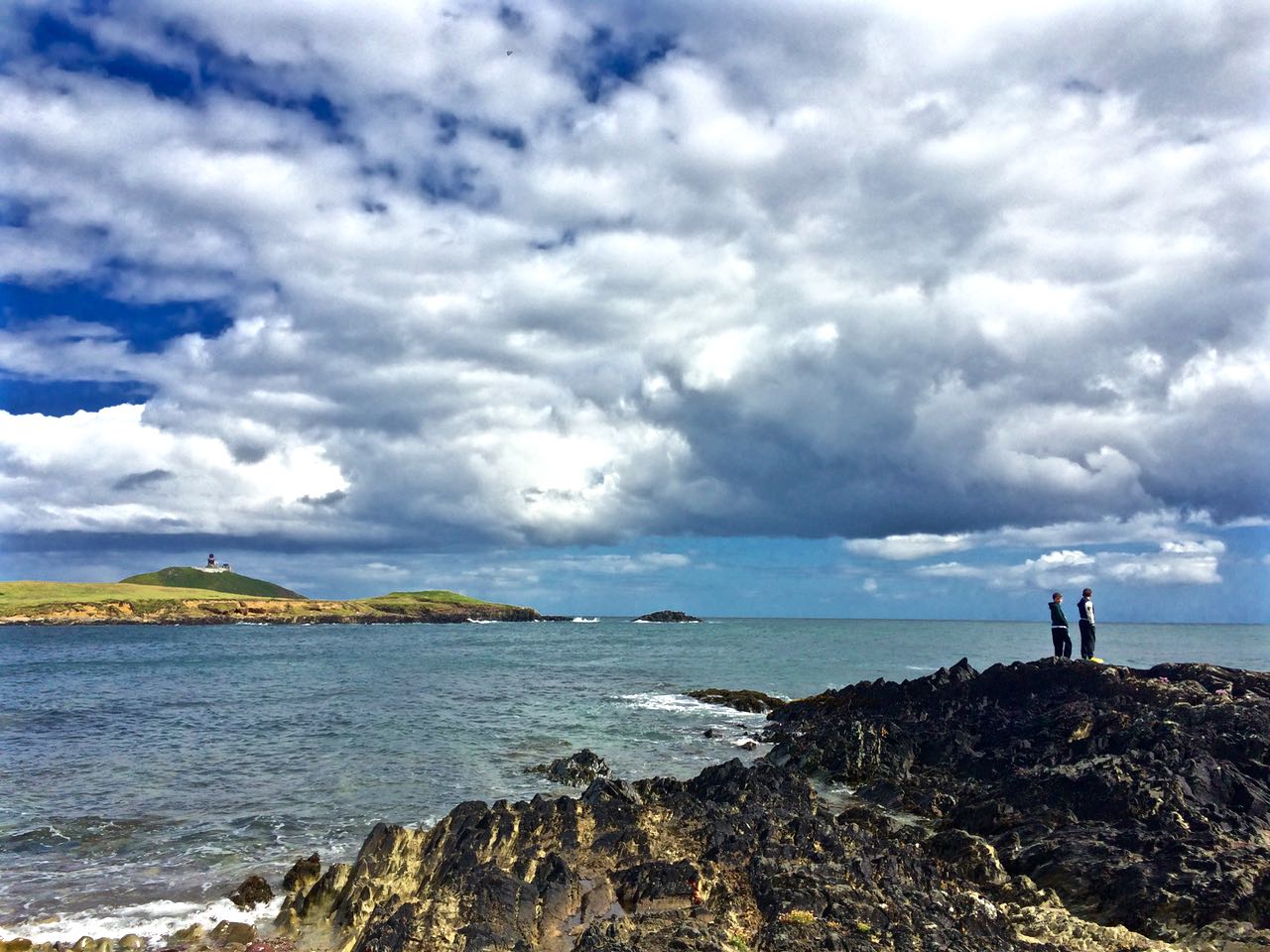
Three different days, three completely different weather conditions. That’s Ireland for you.
It all comes down to this. Do I want to live in a country that is accepting of people at a fundamental level, or would I prefer a place that is happy to continue a historical tradition of intolerance for those people who don’t quite fit?
For decades, Ireland was a country blemished by unhealthy attitudes towards those who couldn’t live up to standards that a comfortable majority had set for themselves. For those who did not conform, or could not do so, the realities of life were quite incredible. Wider society treated them with contempt – the orphaned, the unmarried mothers, the mentally ill, the sexual misfits – for them, our country was a barely more than a prison. Little wonder that many took the boat as soon as they had half a chance. Maybe it was the Famine that made us like this, or the Catholic Church, or the excessive nationalism of our country’s early years – whatever the reason, our recent history is obscured by shadows and skeletons.
This is not the Ireland I see around me today. Despite the trauma of our past, my gut tells me that we have grown as a nation. I like to think that our country has gone a long way to accept difference, whether that be religious, cultural, national, mental, racial or sexual. There is much humour, much love and much intelligence in our culture. We aspire to a fairer society that treats everyone as equals. Maybe I’m wrong, but I have a sense that I should be proud of this little nation. Hopefully, this impression can be copper-fastened on May 22nd.
If the country votes Yes, we will be the first country on the planet to give gay people the right to marry by popular mandate. It will send a message to the world that is much wider than the issue at hand. It will tell everyone that we really are a nation of a hundred thousand welcomes, and that’s no bad thing.
In opposition to this notion are people whose idea of a future Ireland is also much wider than the issue at hand. To them, extending marriage to gay people is just one more step in the secularisation of Irish society. Sure, they use fancy words and nuanced rhetoric, but I remember well the divorce and abortion referendums of the 1980’s and 1990’s, and I can tell you that their approach is always the same. It’s all just a big smokescreen, designed primarily to inject fear and suspicion into middle Ireland. It’s progress they are against and they will fight with tooth and nail every attempt to introduce positive changes to our society. Why else would they mount such implacable opposition to a legal change that will affect such a small number of people in our country?
I want Ireland to be open, accepting society that embraces change and difference. A positive outcome will be a massive step along the way. I am voting Yes.
“I confess to almighty God, and to you, my brothers and sisters, that I have sinned through my own fault, in my thoughts and in my words, in what I have done, and in what I have failed to do”
Confetior
The debate over the upcoming Marriage Referendum in Ireland continues to fascinate me. The NO campaign is largely driven by bishops, priests and spokespeople linked to the Irish Catholic church. In principle, the Church calls itself a beacon of humanity and compassion in the world. The utterances and actions of recent weeks belie such lofty aspirations. In doing so, they wilfully ignore a historic injustice they had some part in propagating and prolonging.
The past few centuries have not been kind to homosexual people. They have been bullied, scorned, laughed at, imprisoned, threatened with violence, assaulted, killed and gassed. Up to very recently, society saw them as deviants and predators and censured them accordingly. There was never any recognition that homosexuality was something you were born with; something you had little control over. The authorities at the time felt compelled to repress it and push it under cover. In doing so, countless lives were destroyed. We were driven to fear the enemy within.
Even to this day, governments around the world have laws against homosexuality. In Russia and Malaysia, gay people are routinely thrown in jail. In Uganda, legislators are trying hard to impose the death penalty for homosexuality. These malignant injustices are here with us today and, presumably, for a long time to come.
Surely this is a cause we should all support: for all members of our society to be given a chance, to be treated the same, to have past wrongs acknowledged and prevented. Unfortunately – despite the lip-service they pay to human rights – we are not seeing this from the elders of the Catholic Church.
You would think that any organisation professing to defend the downtrodden and the oppressed would see this referendum as an opportunity to provide positive leadership, but no. They have come out as dismissive, reactionary and uncaring; using precisely the same Jesuitic rhetoric in 2015 as the defenders of past injustices did back in years past. In all this debate they have forgotten whose side they should be on, preferring instead to champion ancient prejudices.
Not just one, but two generations have been alienated by such pronouncements. What we have is an organisation arguing itself into obsolescence, not caring about the consequences or how such views will be perceived by future generations. Not in our name, we say. Some day in the future, a pope will issue an apology for these wrongs, but by then it will be far too late.
Because there’s more to life.

I see Atheist Ireland have “publicly dissociated” themselves from PZ Myers, the firebrand blogger from Minnesota. It was a long time coming. The spat between Michael Nugent and Myers has been a long running one. It was too much to expect that it would resolve itself amicably.
I used to read Pharyngula quite a bit a few years back but I eventually tired of it. Not because of Myers’ laudable espousal of feminist and minority causes, but simply because he seemed hellbent on finding targets within the atheist movement and pulling the trigger. Sure, there are some real assholes within atheism, but it’s simplistic to divide the world into such extremes of good and evil. Too many people were frozen out who had valid – if sometimes unpopular – contributions to make. Since 2011, the conversation has died away, and for good reason.
Atheist blogging is too much like a civil war these past few years. The useful, engaging, challenging and interesting stuff has been drowned out by emotional rhetoric turned to maximum volume. There is way too much self-righteousness and in-fighting getting in the way of good commentary. The principal take-away is “you should hate this person because of x,y and z”. I can understand why people who espouse humanism over atheism have given up on it entirely. Over time, we have tuned out in droves, finding other places more deserving of our attention.
My feeling is that far too much time has been spent on PZ Myers. He’s not going to apologise in a million years and he’s not going to change. Defamatory and obnoxious he might be, but I’m pretty sure he’s not going to wash off his spots any time soon – whether or not he’s called out on it. He’s taken worse, doled out worse and I’m not sure he cares either way. Ultimately he’s a just a blogger and as such, he’s one voice among many. He’s not the only influence on what is a very large and diverse community of non-religious people in this country. I doubt I’m alone in wishing that we can close the book on this and move on.
Of all the delusions out there, homeopathy is one of the worst. On the surface it seems fairly harmless, but dig deeper and you find that it messes with people’s heads.
Homeopathy is dangerous to your health. Homeopathy is not herbal medicine. It’s not really alternative medicine either, because you can’t really call it medicine at all. Ignoring the last 100 years of medical advances entirely, it’s a mystical, quasi-religious approach to human health that states that substances become potent the more dilute they are. Homeopathic substances are normally so dilute, that not one molecule of the original substance remains in the finished product. Every single homeopathic remedy on their shelves is therefore exactly the same treatment. For every single ailment, you are receiving water dropped onto a sugar tablet.
There is no scientific evidence whatsoever to back up the claims of homeopathy. And yet, millions of people swear by it. So, what is happening? Essentially it’s a trick, exploiting the placebo effect and the fact that most illnesses get better after a time. It goes like this: you go to a homeopath, they spend time talking to you about your problem, they prescribe you a remedy, and after a time you get better. Because you are primed to connect the improvement to the prescribed remedy, the likelihood is that you will think the potion made you better. Other factors – better sleep, more rest, less stress – are discounted in favour of the stated remedy.
To me, the placebo effect is a bit like telling a small child to suck their thumb when they get upset. Thumb sucking can calm a child down very quickly. In the child’s mind it is an immediate solution to their problem. They will report less pain and less distress, depending on the severity. If you are reasonable, you would not prescribe thumb-sucking for a more serious ailment: tooth pain, the measles, or a bad burn, for example. When you are prescribing homeopathy, you are doing exactly that: telling someone to do the adult equivalent of thumb-sucking, despite the severity of the ailment. Homeopaths get away with it because, fortunately, most ailments are not severe. When they are, you hope better advice is listened to.
In a recent discussion on homeopathy, I was asked if I had ever taken gone to a homeopath for treatment, the implication being that if I had never gone to one, I could not possibly comment. This is the equivalent of saying that people who never smoked cannot comment on whether tobacco use is harmful, or that sceptics cannot criticise the Nigerian 419 scam if they have never themselves been defrauded by one. When a philosophy or treatment sounds like bunk, when almost every scientist and most medical professionals say it’s bunk, when there is a long list of people who have been damaged by bad advice from homeopaths, it’s up to the homeopaths to prove it otherwise. Telling us that it’s not up to them – it’s up to us – is ridiculous. Personal anecdote, no matter how honestly felt, is not very useful because we are all subject to bias and manipulation. Objective scientific studies are much better because you can follow a larger number of subjects, you can see how they were constructed and you can control for bias.
When it comes to scientific studies, homeopathy scores very poorly. At least 12 major reviews, examining hundreds of studies, have all concluded that it is not effective and that it does not provide any benefits beyond placebo. Homeopaths like to cite the Swiss Study, but as you will see from this link, this link and this link, the Swiss report is not without significant objections. David Shaw, of the University of Glasgow, has called it a case study of research misconduct, concluding that it was “scientifically, logically and ethically flawed”.
Homeopaths have been known to advertise treatments for measles, AIDS, autism and cancer. Many homeopaths are avowedly anti-vaccine. There are homeopaths in West Africa right now who believe that their magic pills are curing Ebola.
You know what? This madness needs to stop.
 Passive Impressions