The cat stares at me. Jumping lightly to the floor I remain in his quizzical gaze. Why am I still here?
I’ve become part of his life now. Ever present, no longer that transient ghost Flitting in and out of his small, cloistered world. I never leave. Why is this?
For I’m cloistered here too. Eating, sleeping, dreaming, occasionally muttering. Roving for spare moments To ease the ennui.
Instead of spreadsheets and conference calls To Do notes and calendar appointments I’ll get back to you and what’s your ETA Always worrying I said the wrong thing,
I can now peer across the valley At distant houses and farms At small birds frolicking, bees tunnelling into flowers The endless clouds with their myriad patterns.
What am I doing here Dear quizzical cat? I’m learning from a master.
Does any other adult feel Like they are a wall? Stopping waves of pain crossing From one side to the other? Sometimes that wall
Breaks
Or is insufficiency high, Then the pain washes Into unprepared garden spaces Where inky torrents Do their worst damage. No more bright flowers In once pleasant beds Only sticky detritus: Dark mud A lasting stain That cannot be Washed away.
I keep thinking Of the five lone exiles Thrown from their mother planet On a journey through the stars.
They are free now Free of us What happens here: The pain, the wars, The urge to hate and torch It touches them not at all.
True alien spacecraft Technology barely understood By the creatures who built them Beings of a single form Who could not bear To live beside each other.
Perhaps, after a million years One of them is found By curious minds.
Will they marvel At the careful handiwork The thoughtful construction The imagination needed To set great vision to flight?
Or will they discover That those who made it Were cursed To wipe their planet clean Trading a vast future For a momentary chance To despoil and destroy?
On they travel Through the endless night Free of us This marvellous tribe Of great mastery Yet wanton violence, There will remain Just five lone exiles.
In R.A.S.T.T.A. B 47, A surge pod In a forgotten space Somewhere between The Acute Medical Constellation And Planet Endoscopy, I sit and wait patiently.
Forbidding yellow stripes And angry red notices Decorate this corridor. A verdant forest scene Is plastered over the window; A futile attempt To obscure the sterility.
Ernest medics whisk along In blue And green And purple Ignoring us gargoyles Resigned with desperation In our eyes.
Two young women Bursting with youth Chat comfortably together. A friendship forged by These circumstances. For the rest of us: We grit and bear.
Constant echoing voices. Occasionally a child cries out Some fellow, His mobile on full blast, Watches football videos At 1.42 am. Oblivious to us all.
We sit here in Limbo The waiting space Between Accident and Acknowledgement.
Sunlight shining through A hurried medic arrives Gives me 5 minutes. You are free to go.
My twin sons both completed their Leaving Cert exam this year. They both did well, but it was an incredibly tough year for them. I won’t go into the details, but it was rougher than any year I have experienced with them since they were born.
I have some thoughts.
Without a doubt, our kids are suffering from profound anxiety these days, and it’s much worse than anything our generation ever had to deal with. It’s amazing the number of parents I’ve met who have seen their teenagers go from happy go lucky individuals, to sad, anxious, depressed people as the big exams start to loom closer and closer.
Where is the anxiety coming from and what should we do?
In my mind, it seems that the problem often stems from kids falling behind in their schoolwork.
They have 7 or 8 subjects to do. The workload for each of these subjects is enormous. They have added project work that adds further to the workload. In some subjects they are doing ok, but other subjects are a chore. And, ever so slowly, the kids find it harder and harder to keep up.
You now have a kid that is falling behind where they should be. They go into class, and things start making less and less sense. This makes them bored, restless and anxious. They try to keep up, but the anxiety prevents them from learning properly. They might even feel lonely, because they can see that other students are managing the workload better than they are.
Now add to this toxic mix the adults: teachers and parents. We are either getting angry or we are over-stressing, and neither of these responses are very helpful. In fact we might only be making a bad situation worse.
As parents, in our overstressed state, we are running around for therapists and assessments . We are arranging doctors appointments. We are medicalising the problem. The current zeitgeist calls for us to reach for approaches such as drugs and therapy; the idea being that if we sort out the kids’ mental health needs, we can sort out the issue. But it doesn’t. Not really. Getting the right drugs and the right counselling could take ages to get right, and time is not something we have available to us as the exams loom closer.
The problem, in some cases, could be the ever increasing stress caused by falling behind in class. It might not necessarily be a serious mental health issue at all: just pressure upon pressure upon pressure.
But that pressure has always been there, you say. Clueless parents have always been there. The growing problems of youth have always been there. So why does it seem so much worse right now?
Certainly the lockdowns did not help. Without a doubt they have contributed greatly to the problem, but the problems that I and many others have experienced were there before COVID. Kids were suffering from bad anxiety and depression before the coronavirus ever raised its ugly spike proteins.
I think we have to look at social media as a major exacerbating factor: and it might not be bullying, or fear-of-missing-out, or even the general awfulness of our news nowadays. It might just be that our technical environment provides us with an easy, simple distraction for miserable, stressed and unhappy kids. Social media (Instagram , Reddit, YouTube and TikTok etc) are ever-available dopamine hits when things are bad and getting worse. Social media becomes one of the only things they can relate to when they are in a pit of despair.
Time was once that kids only had books or tv or games to provide a distraction. But none of these this had algorithms that were designed to maximise attention – and that might be contributing to the general feelings of anxiety. We have made the distractions too attractive. So instead of dealing with our problems head-on, we immediately escape into a space that doesn’t require anything from us except our attention.
So what to do about it? The bad news for parents is that often when the symptoms manifest it’s already too late. It’s ideally better to have a dialogue with the kids at the beginning of fifth year and to discuss ways of preventing from the kids falling behind at all. How they can organise their study and limit their social media usage. It would be even better if there were support structures in the schools to help kids stay on top of the workload.
Even better might be a a reduction of that very workload. There is a craziness about the Leaving Cert final exams that exacts a toll on our younger people. We need to make learning fun and interesting again, and we shouldn’t be forcing kids to study subjects they have no interest in.
Maybe if kids liked the schoolwork and were able to stay on top of that schoolwork, then they might not need social media to give them an outlet, and they might be more disciplined about its use.
The Leaving Cert is this awful, artificial barrier that we’ve created to ensure kids get into college. With every passing year it’s diverging further from its original purpose, and because we haven’t overhauled it properly it’s turned into an out of control monster. We need to think more about the end-goal and what our education systems can do to meet that goal in this very demanding century.
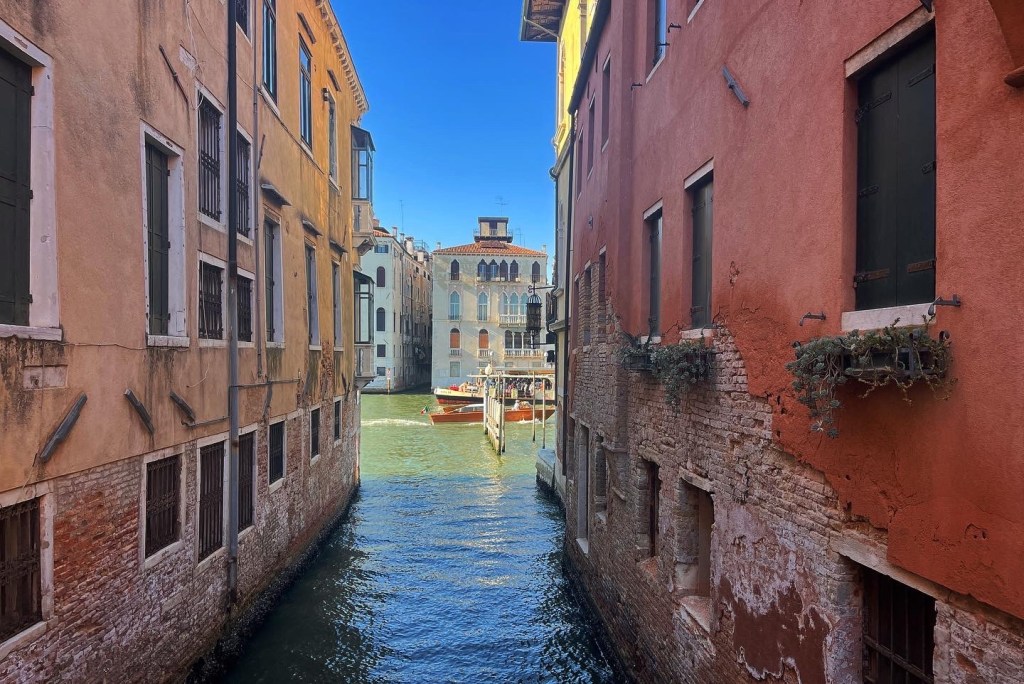
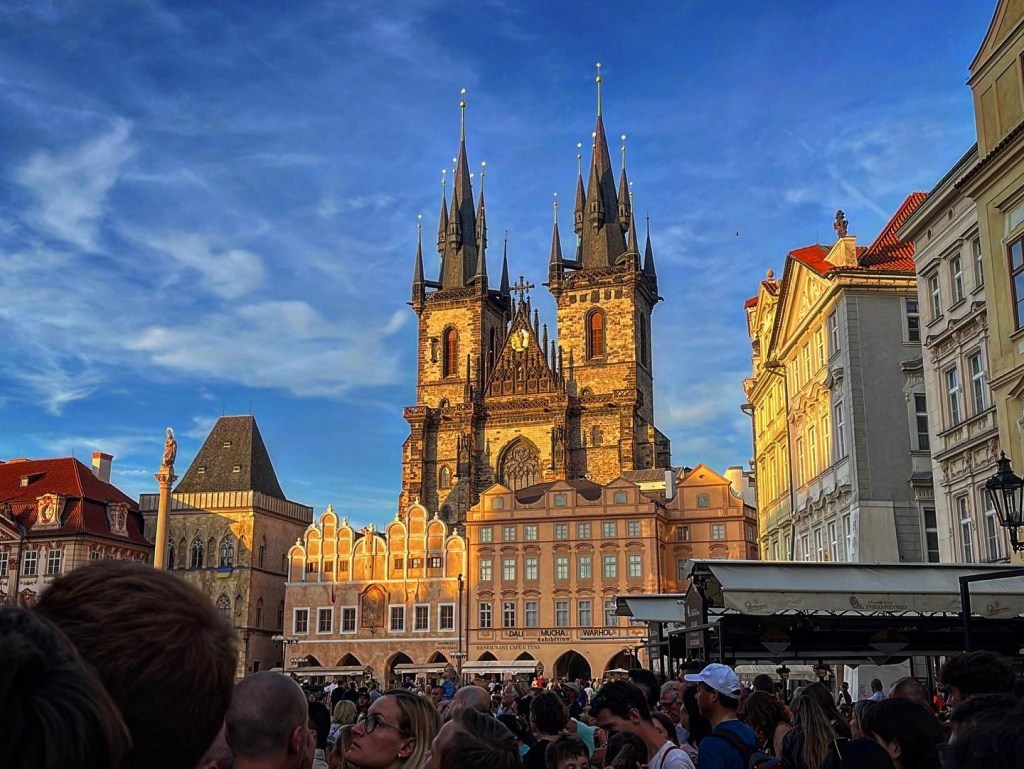
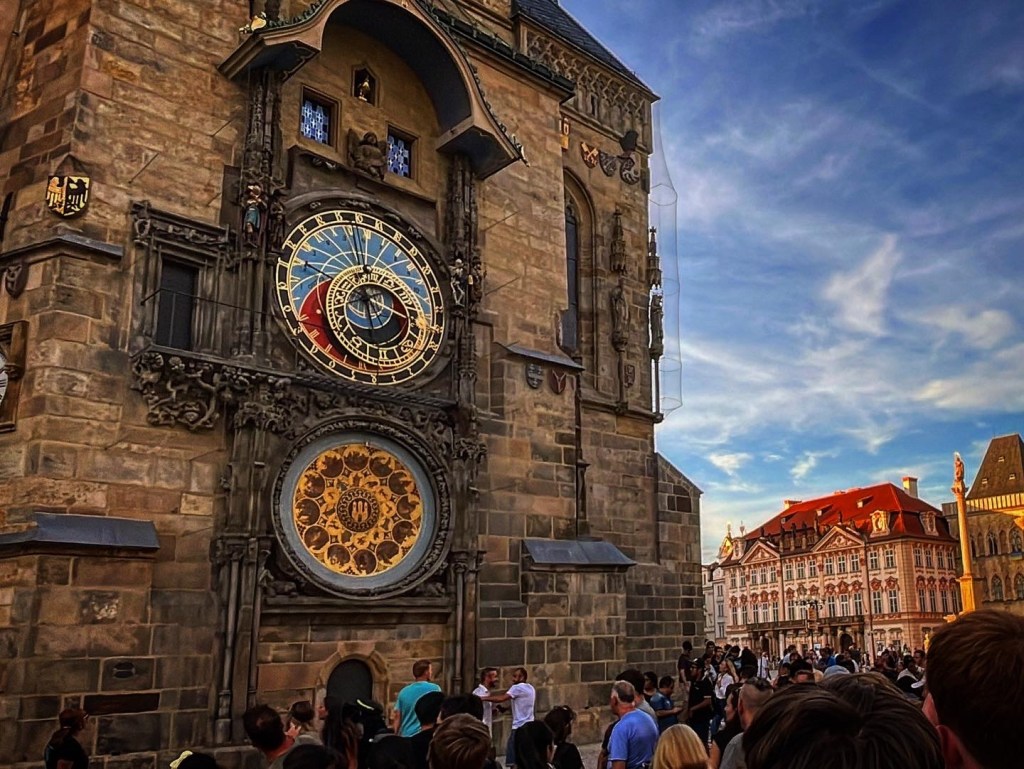
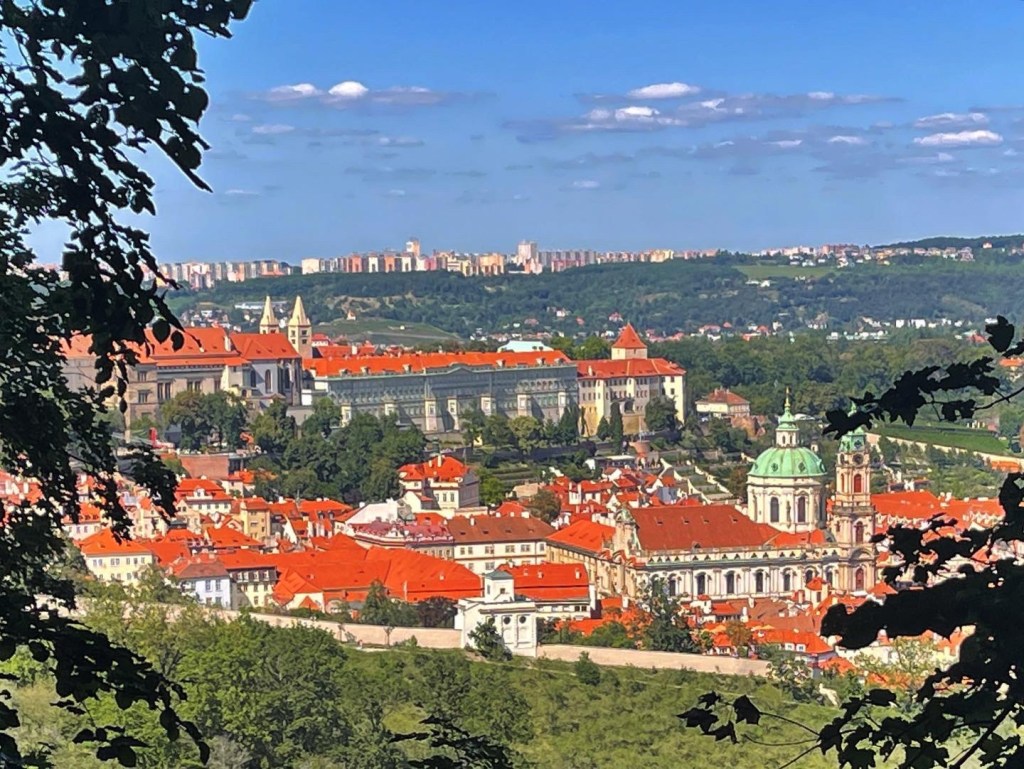
I’ve just finished an Interrail trip with my adult children (all students). We started in Amsterdam, then we moved on to Stuttgart, then Prague, Salzburg and finally Venice. We stopped off briefly in Mannheim and Vienna along the way.
Interrailing is the way to go if you want an adventure rather than just a holiday. It’s a vacation that requires you to make spot decisions all the time, and not all of those decisions will be the right ones. Murphy’s Law applies: multiple things can and will go wrong. Each day, you are going to experience something new and different, and each day you are creating memories that will last a lifetime.
I did my first Interrail in 1988, and my second one in 1990. 32 years have passed before embarking on Interrail Number Three. Many things have changed in the meantime: the internet, children, that kind of thing. So this trip was very different to my first two trips in so many ways.
Here are a few tips that might help if you are planning a similar Interrail.
Plan Early
For me, much of the fun of Interrailing is the advance planning, and the build up of anticipation that accompanies a well planned trip.
The first question I asked myself was where we would go. This was a surprisingly easy decision. Cork, where I live, has limited connections to Europe, so we placed Amsterdam as our first destination, and Venice our last. Both cities have direct flights to Cork.
It was then just a matter of filling in cities along the way. I lived in Prague for a few months in the 1990s and I still have a good friend there, so this was pencilled in immediately. I also have family members living near Stuttgart, so that went into the book. The last destination was a matter of geography: what’s a good place to stay between Prague and Venice? Oh, look: Salzburg.
Salzburg
Limit your destinations
Depending on how much time you have overall, ideally you should spend about three nights in each place. Long distance travelling is tiring, so you will need to give yourself at least a day to travel, a day to explore and a day to take it easy. Packing all of Europe into a two or three week vacation would not be much fun, so choose a limited number of cities and make the most of your stays while you are there.
Vienna
Pre-book your accommodation
I have bad memories of seeking accommodation when I arrived into new cities on my earlier Interrails . With tools like booking.com and Airbnb, these days are gone. Book your accommodation in advance and be done with it. This alone will remove the single biggest source of stress from your holiday.
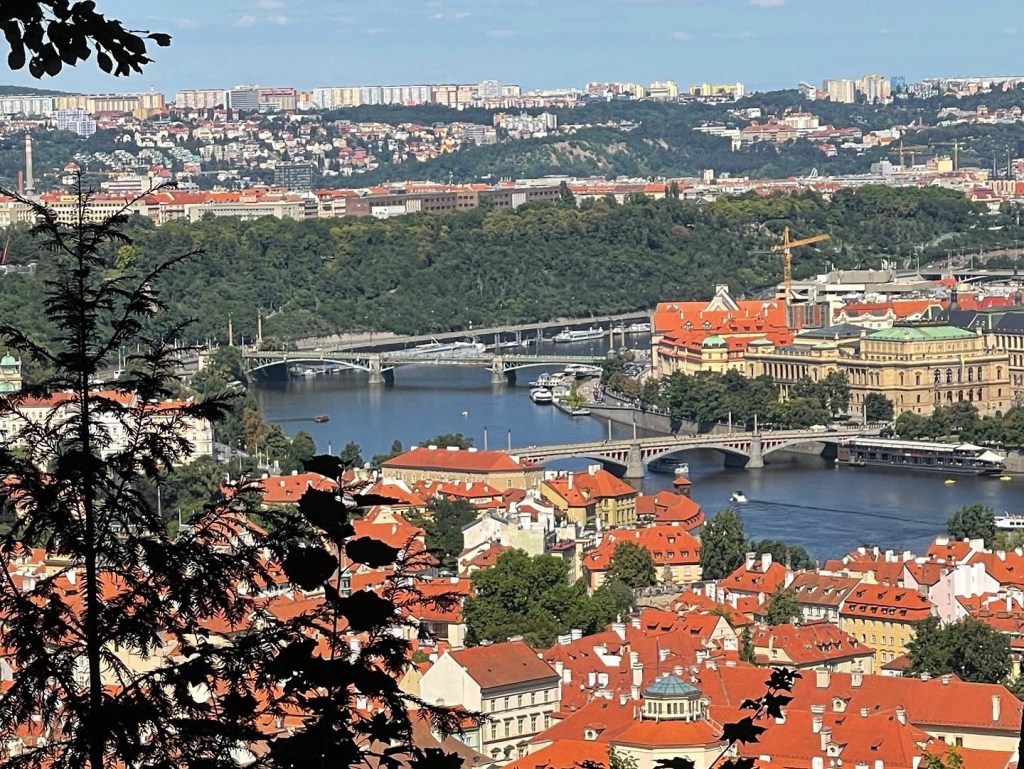
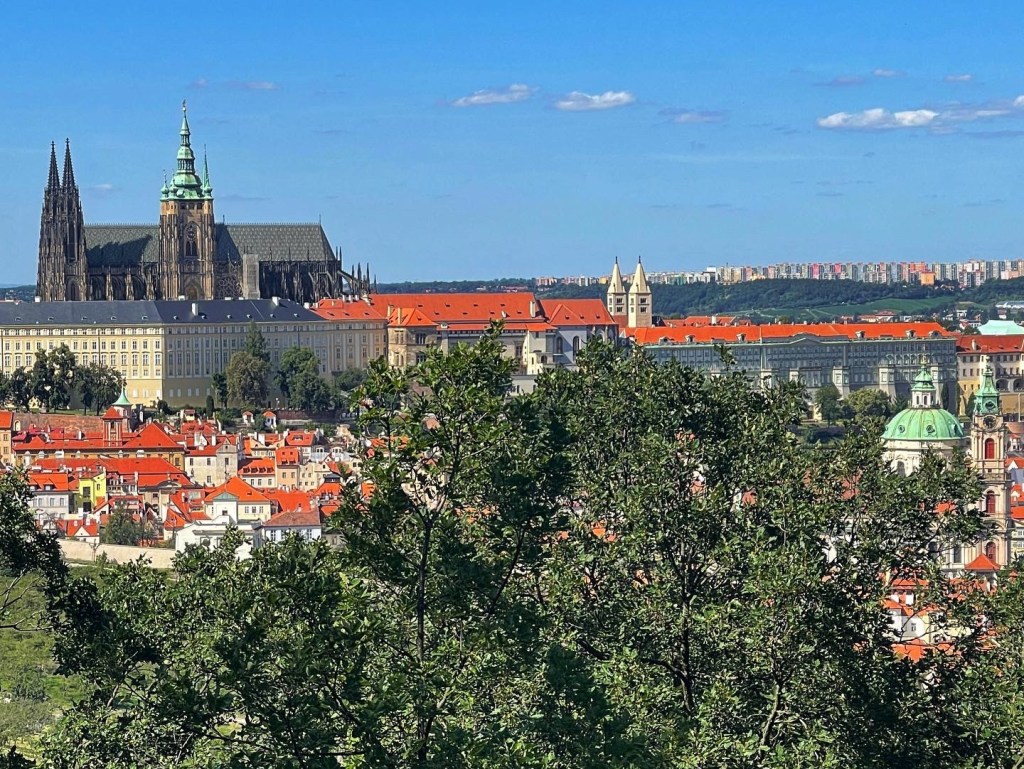
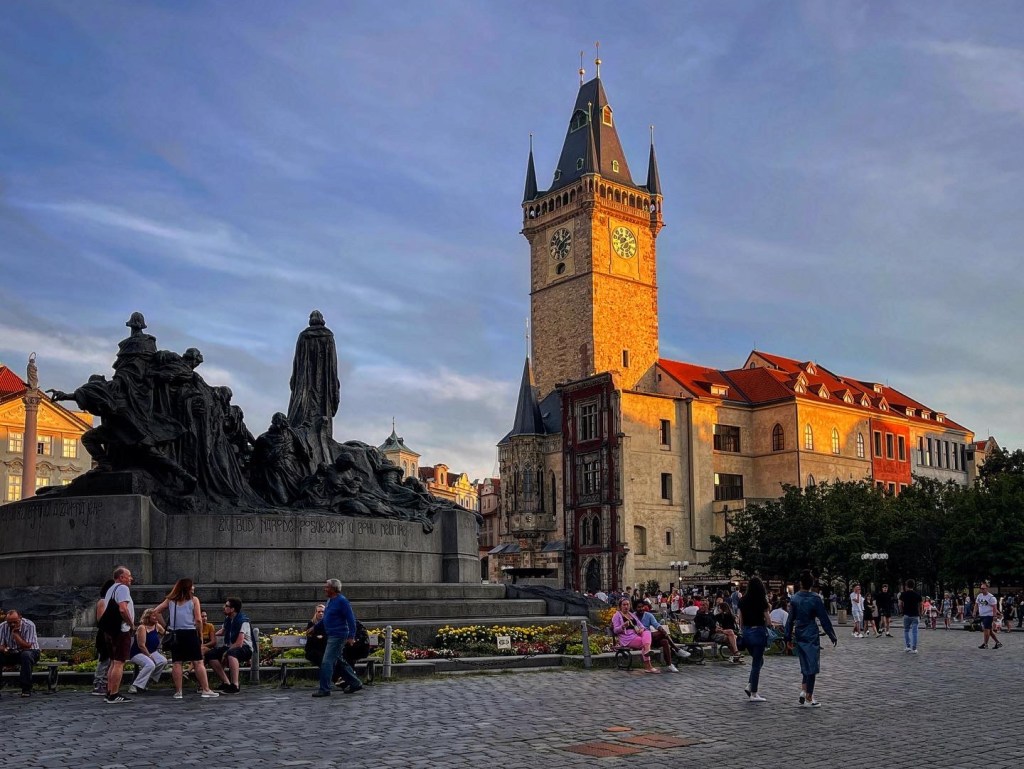
I used a combination of booking.com and Airbnb for the trip. In all cases the accommodation was great: in Prague we ended up close to Charles Bridge and our apartments in Venice and Salzburg were less than 10 minutes from the main train stations: a blessing after a long journey. Both places came well recommended.
Choosing accommodation early also allows you to better manage your cash flow when you are travelling: some of the biggest expenses will already have been cared for.
With AirBnB you can change your mind quite close to the travel date. This is a real plus, avoiding you from being caught with a no-refund booking if plans need to change.
Venice
Plan for contingencies
The nature of Interrail is that not everything will go right, so plan for contingencies. In these post-pandemic times, you need to have good travel insurance. There are other things you can do, such as booking extra luggage if you are flying there, increasing the number of travel days on your Interrail ticket, and bringing along a small first aid kid, tissues and over-the-counter painkillers. Think about how you might handle one of your party getting sick or coming down with Covid: these are real possibilities that need to be considered.
On our trip, one of my sons got a bit too much sun one day. He was sick for a few hours. He then had a few unannounced nosebleeds during the remainder of the trip. He needed a pack of tissues at the ready when it happened.
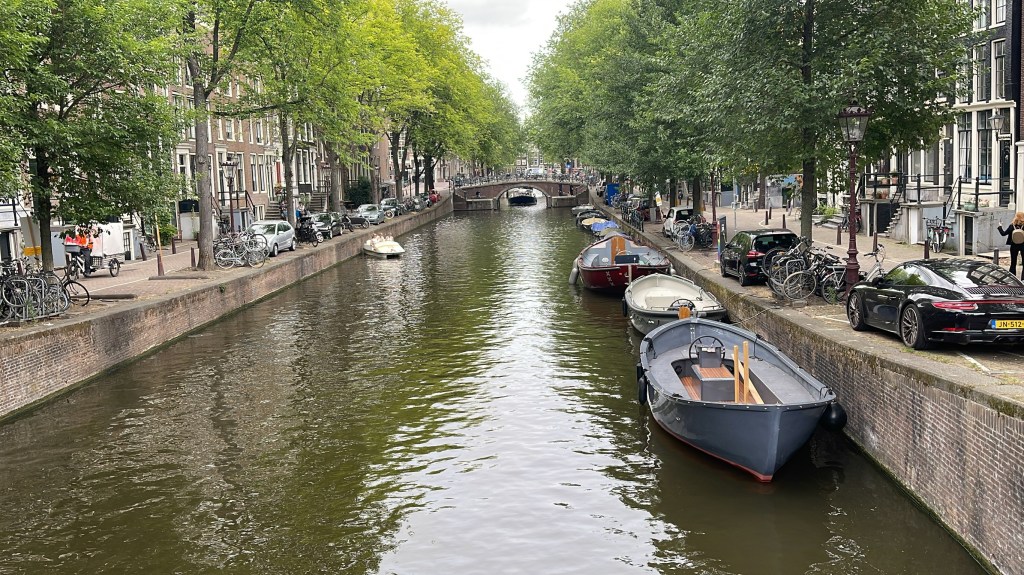
Amsterdam
Pack light
I think one of our biggest mistakes was to pack too much. One of my sons brought a big 20kg bag, that we aptly named ‘Gigantopithicus’ due to its ungainliness. Because many Airbnbs had their own washing machines, we were able to wash our clothes regularly. We only needed a few days worth of underwear, tops and shorts. One small 10kg bag and another 10kg backpack was more than enough.
Because we were travelling during the height of the summer, I packed no warm clothes; I depended on a very light rain jacket if things got a bit chilly at night.
A good pair of comfortable light walking shoes is very important. We walked well over 130km during our trip. You should also bring charging cables, adaptors and power packs for additional charging during the day.
Along with my 10kg backpack, I brought with me another very small backpack to carry water bottles, cameras, sun cream and sunglasses during the day – whatever I needed during my walk around each city.
I also wore light mountaineering trousers that could be quickly converted into shorts if needed. It had additional pockets for my phone, my passport and my wallet.
Prague
Find local supermarkets
Unless you are made of money, dining out for breakfast, lunch and dinner will cost you an arm and a leg. So, finding a local supermarket is absolutely essential. A supermarket shop will help greatly to reduce your travel costs. Alcohol in particular is way cheaper in the supermarkets, and you can quickly add bread, butter, cheese, cooked meat and milk to your shop – and even bring these along to your further destinations. The local grocery foods are wonderful – they are well provisioned with lots of local specialties. They are also much more likely to take cards instead of cash, still a problem for some restaurants.
Stuttgart
Manage your data
When abroad, there is a limit to how much broadband you can use, so keep an eye on your mobile data. You don’t have to turn it off completely as the broadband limit is quite generous, but you should selectively turn off mobile data for apps you don’t need to use, thus giving you some control. It’s possible to see how much of your allowance you have used. In the end we had plenty of unused data: it would have been more of a concern if we were downloading lots of movies, gaming, navigating extensively or using lots of data heavy mobile apps while out and about.
Amsterdam
Create online spaces for yourselves
For our trip, we set up joint picture sharing. We encouraged each other to take plenty of pictures and videos and we regularly uploaded these to our shared account. One of my sons now has the daunting task of creating a somewhat coherent account of our trip, but we can now enjoy both edited and non-edited versions of our trip.
We also created a shared account for messaging, so we could share documents and locations quickly, and communicate with each other if we were apart.
Finally we all shared our locations with each other, allowing us to find each other without much fuss, should we need to do so.
I found the whole experience of being online like this really helpful. A quick shared link helped to avoid lots of conversation and haggling. It also took the pressure off me to organise everything and it allowed for a second or third set of eyes and ears should I make a mistake.


 Passive Impressions