The world of inspirational speaking is a popular (and lucrative) part of modern culture – particularly in the fields of motivation, success, health, wealth and leadership. People will spend huge sums just to hear the best speakers tell us how we can change our lives for the better. Some of it may indeed be useful, but much of it is just, well, bubblegum.

There is a world of a difference between how persuasive something is, and whether the key messages are in any way true. A very skilled storyteller could easily convince you of something that is factually inaccurate – perhaps even an outright lie – and you would not necessarily know.

Establishing whether something is true takes quite a lot of work, most of it far removed from the world of public speaking and presentation. It’s done in the back rooms, through hard work, testing, studies, experiments, draft publications, criticism, argument, peer review, detailed scrutiny, and most of all – good evidence. It requires specialisation and familiarisation with the field and a readiness to accept that new evidence might upset what is known. It requires expertise – something that the vast majority of us will never have. Nobody can be an expert in everything, so we are all vulnerable to the messages we are given. We even fail in distinguishing proper experts from pretend experts. It’s a minefield.

Fortunately, there is a difference between most pretenders and people who actually know what they are talking about. Where experts are usually tentative, pretenders are certain. Where experts will cite exceptions, pretenders will dismiss them out of hand. Where experts will qualify their remarks, pretenders will have no such qualms.

The best we can do is to recognise the tricks. Here are 5 red flags to be on the look out for.

Anecdote over evidence

Anecdotes are nicely packaged stories designed to support the points being made. While they can be very compelling, they are not considered to be good evidence. Anecdotes can be very subjective (one person’s testimony only) and selective (leaving out details that do not support the point being made). They are lacking in any rigour and ignorant of alternative factors. They can be coloured and adjusted through time and practice. What they are good at is creating a powerful emotional response in an audience. The more perfect the anecdote seems, the more wary we must be.

Style over substance

It’s amazing what we can do nowadays to deliver the perfect message. Presentations can be enhanced through powerful imagery, humour, appeals to emotion and common sense. Music and sound-effects can be used. The colour, the font design, the transitions – it’s all at the fingertips of the skilled presenter to enhance the message. The presenters themselves can use vocal variety, body language and simple stories to get through to us. It’s an art in itself and the more swish it seems, the more we should be looking for the underlying substance. The basis of the presentation is still important – if it’s not there, or justified merely through common sense or “everyone knows this” – our suspicions should be raised.

Too Good to be True

Experts are aware of the many pitfalls in declaring a breakthrough too hastily, so they tend to qualify their arguments, preferring to publicise their small advances rather than one big denouement. Discoveries tend to build up over time, as alternative possibilities are systematically closed off. Often, we are unaware that a great breakthrough has been made because the underlying work was revealed in dribs and drabs. It’s only when we look back that we can see progress. The pretender has no such qualms. To them, their discovery is the best thing since the wheel. The worst of them compare themselves to Newton or Einstein. They have an unshakable belief that they are right, and that their critics are deluded or malign. Seemingly amazing or stunning announcements require a great deal of support to be accepted.

Sciencey Super-words

Many pretenders will abuse the scientific lexicon if they feel it will help their ideas gain legitimacy. We need to be very careful of words like “quantum”, “multiverse”, “laws of attraction”, “neural”, “magnetic”, “epigenetic” and many other words, particularly when they are used in medical or motivational contexts. Similar words we need to be careful about are “organic”, “natural”, “healing”, “chemical”, “genetically modified” and “toxic” – as their impact is often more emotional than factual.

Perfectly Parcelled Evidence

Finally, pretenders love science when they can make it suit their aims. If a scientific study is found, even obliquely, to agree with the message being promoted, you can be certain to see it mentioned as they make their claims. No mention is ever made about whether the study actually supports the points being made, or whether the methodology was poor, or any other study that contradicts the message. We have to be careful, particularly if the message is rather extraordinary. In new fields of study, there may be an enormous debate still raging, where no strong conclusions can yet be made. In older fields, it is likely that the study being mentioned has long been debunked and a consensus reached. A small amount of research on the Internet might tell you more.
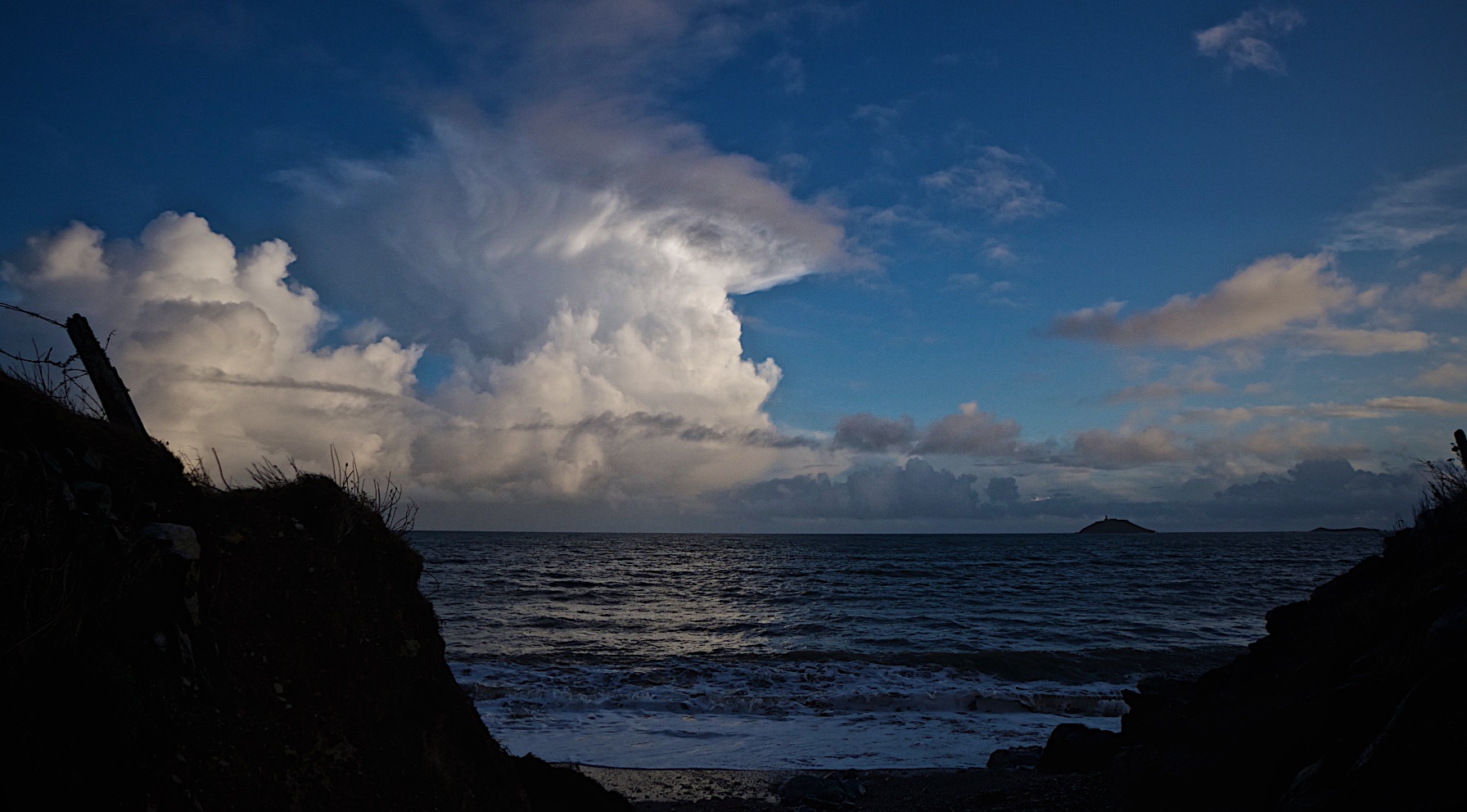
In this sometimes stressful year, I often let my eyes do the talking for me. Here are some of my favourite photos from 2014. I hope you like them. Click on any of them to get a better view.

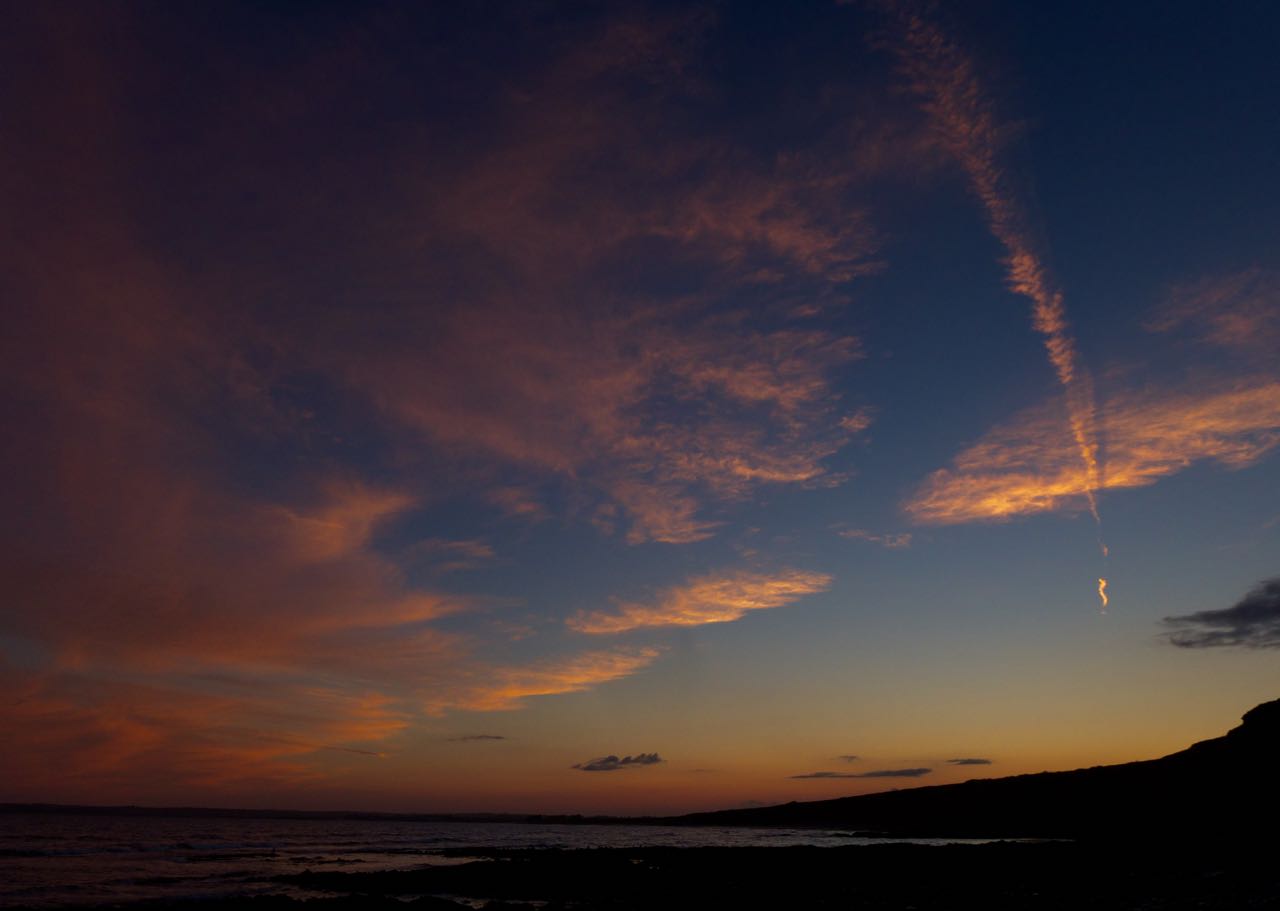
1. Storm Clouds

Favourites 2

January of 2014 was incredibly stormy, with high winds lashing the coast at least once a week. One compensation was the wonderful cloudscapes such as this one above, taken in Garryvoe, Co. Cork.

2.  Shanghai Surprise

Favourites 4

2014 was the Chinese New Year of the Horse. On my first ever trip to China in February I came across this wonderful display in the city of Shanghai.

3. The Long Walk

Favourites 5

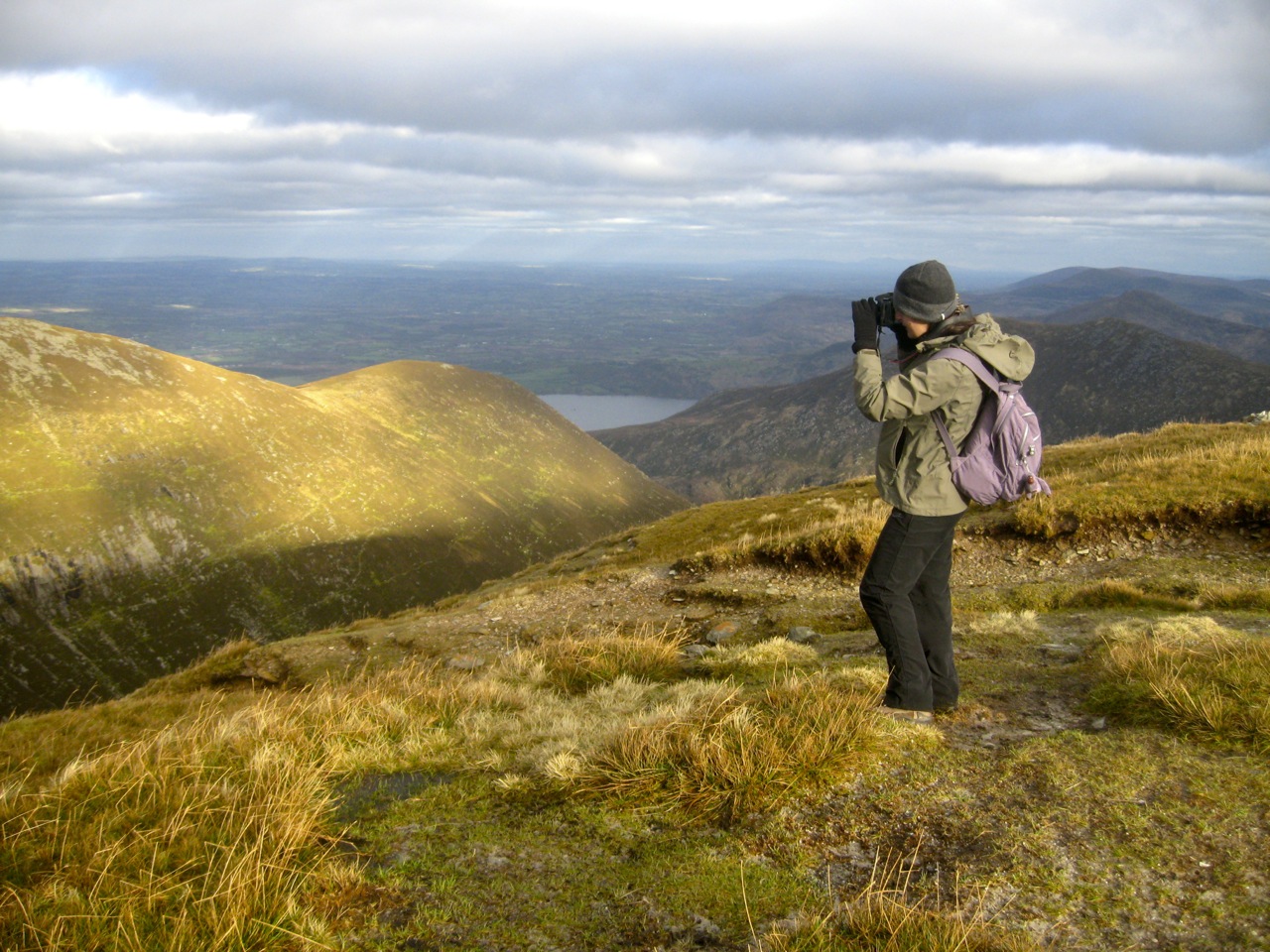
The annual 19km Ballycotton Cliff Walk is one of my favourite hikes, as it marks the approach of spring and the end of winter. This photo was taken on March 16th.

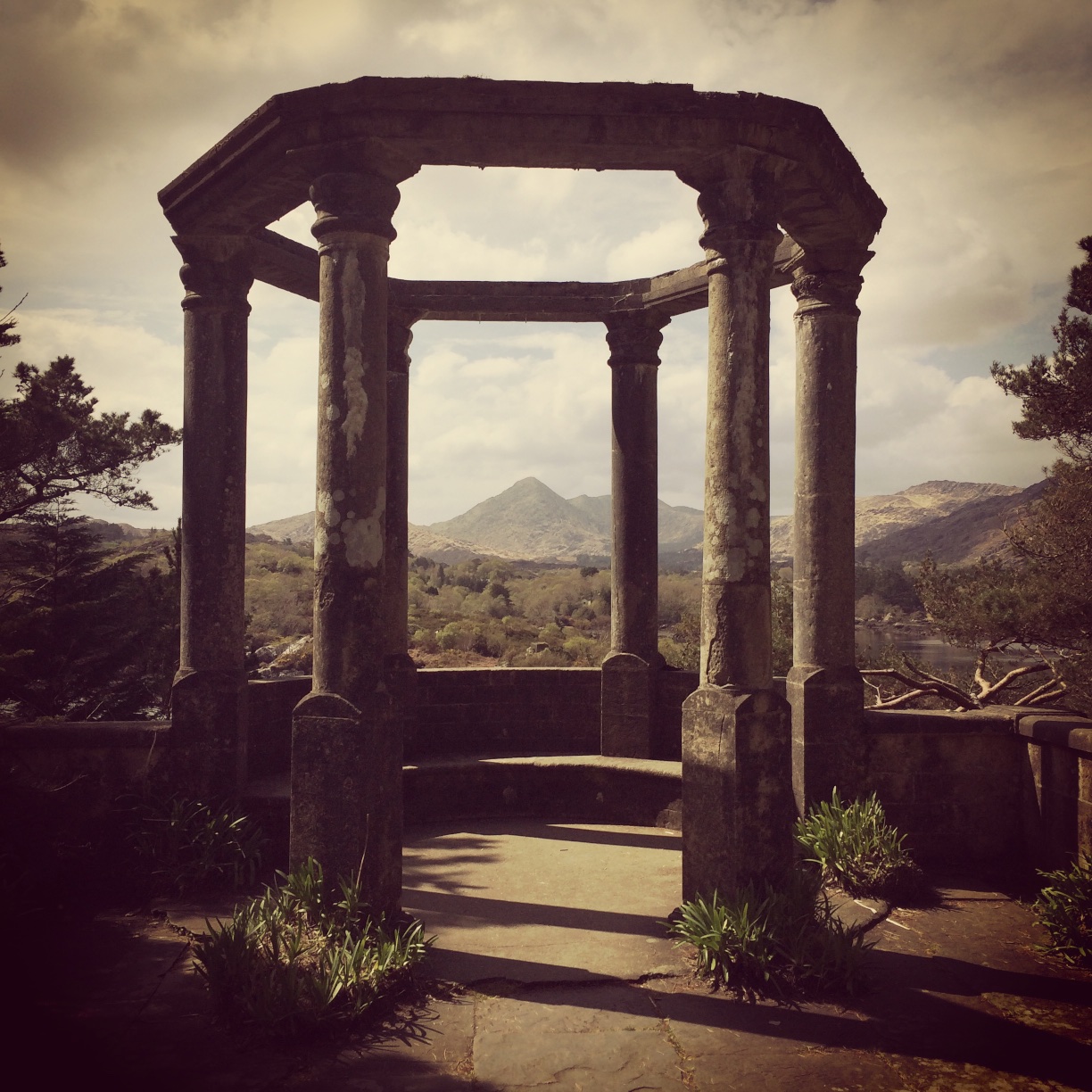
 4. Garnish Island

Favourites 7

The wonderful gardens of Garnish Island in West Cork are full of surprises. This photo, from April, was perhaps early in the year for full bloom, but the flowers of spring always have a special place in my heart.

5. Rhododendron Blooms

Favourites

John F. Kennedy Park in Co. Wexford holds plenty of surprises too. During our visit in April I came across this wonderful display as a rhododendron bush shed its flowers.

6. Barley Fields

Favourites (1)

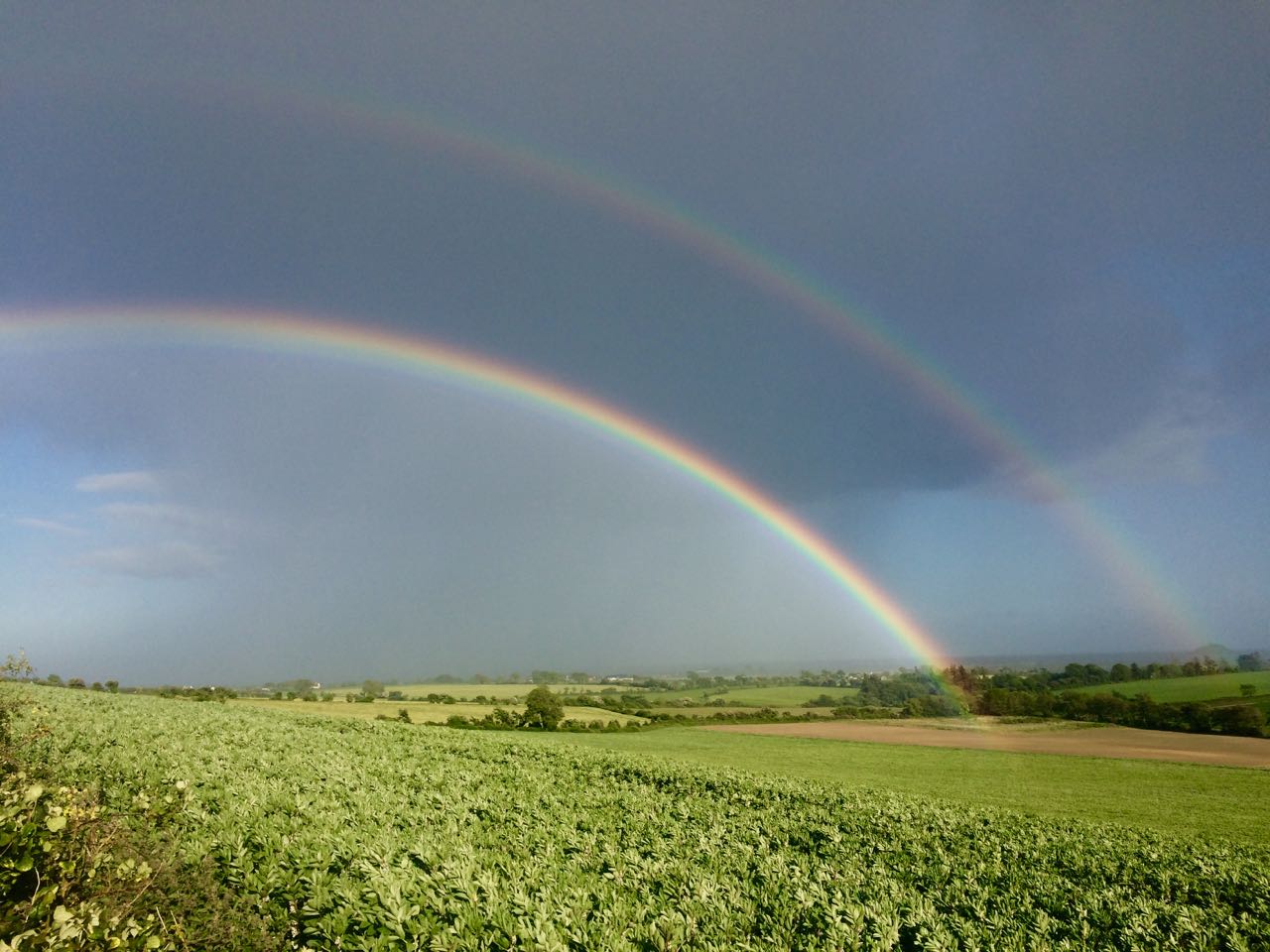
A quick walk up the hill gives me a wonderful view over south Munster, from the Celtic Sea all the way to the Knockmealdowns, the Comeraghs and even the Galtees in the far distance.

7. Leaping Laddies

Favourites (2)

By July, we had finally accepted that this was going to be one of the great summers. That’s worth jumping around for.

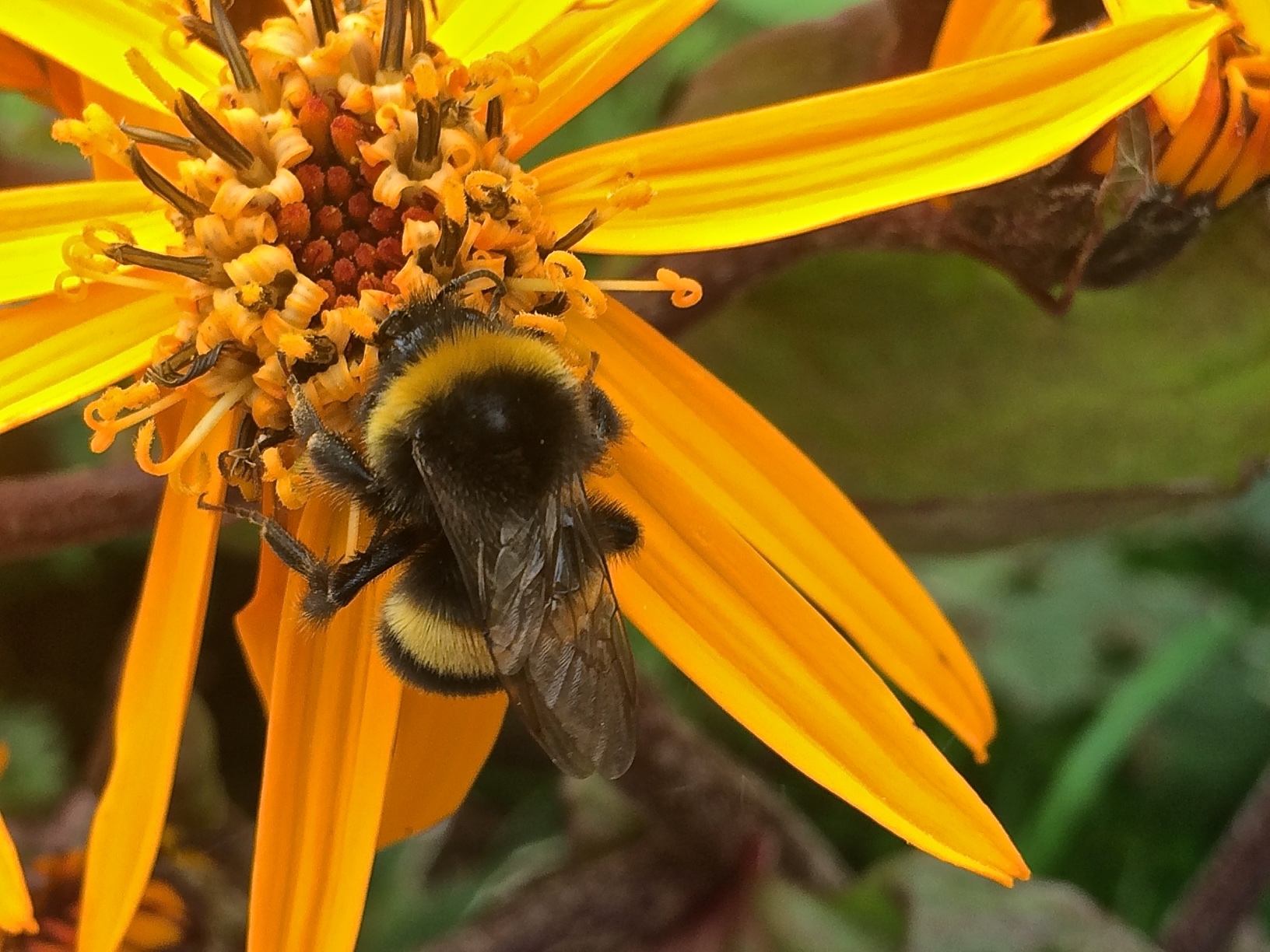
8. Summer Bees

Favourites 8

Bumblebees were everywhere this year. They go about their business with no real interest in us – focused on one thing only: nectar. When they have too much, they fall asleep, putting up a leg if you come too close. Mad about them, I am.

9. Coco the Cat

Favourites 9

Well, the Internet is all about cat photos, right? Right?

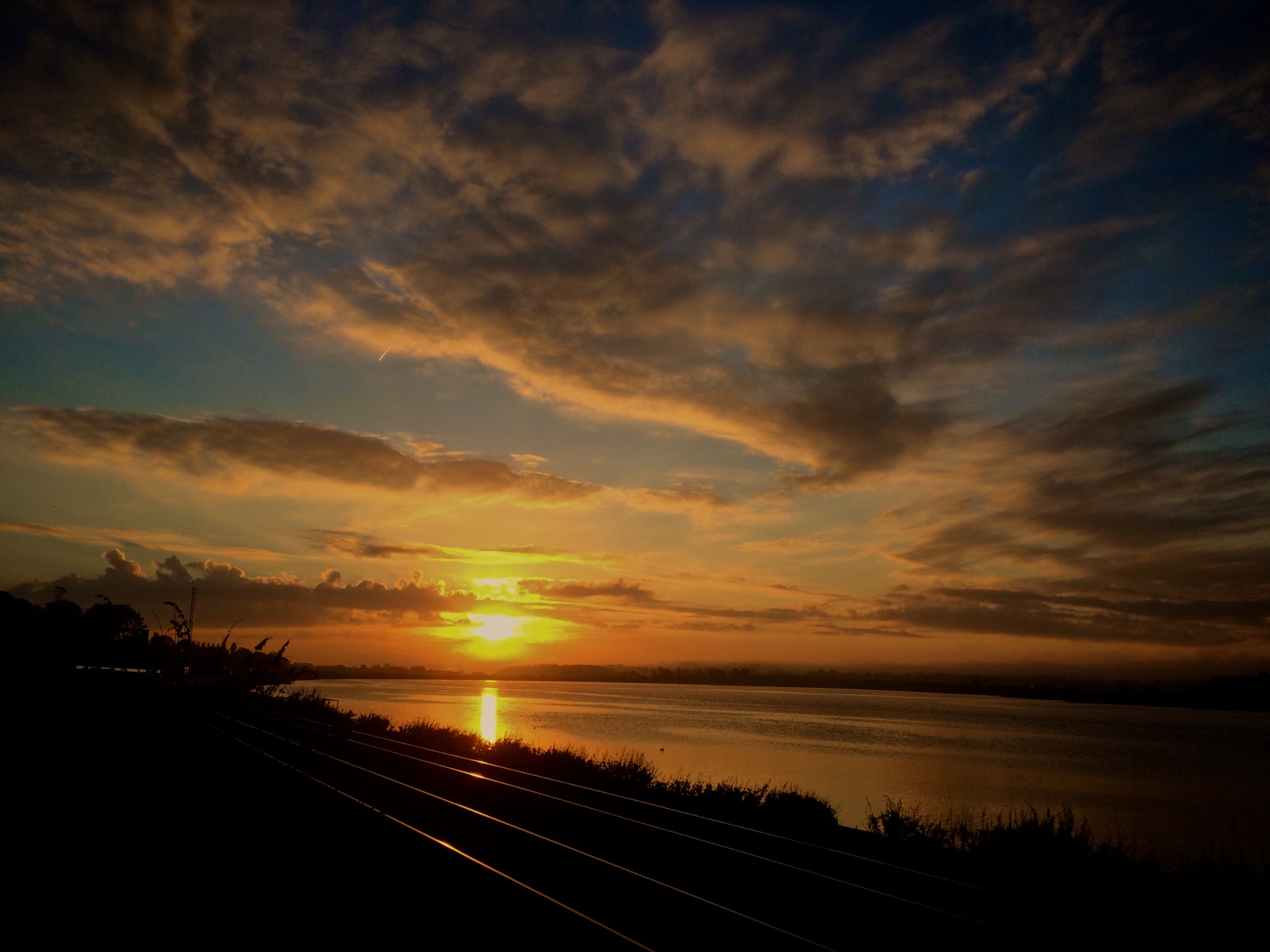
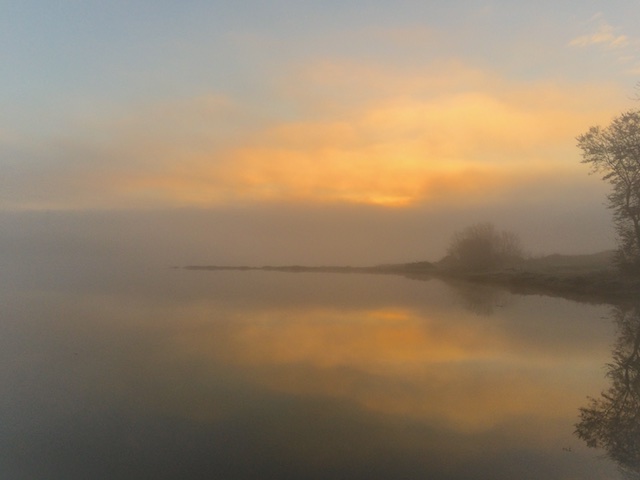
10. Glounthane Sunrise

Favourites 10

With the nights lengthening in October, I caught this morning sunrise in Glounthane, Co. Cork.

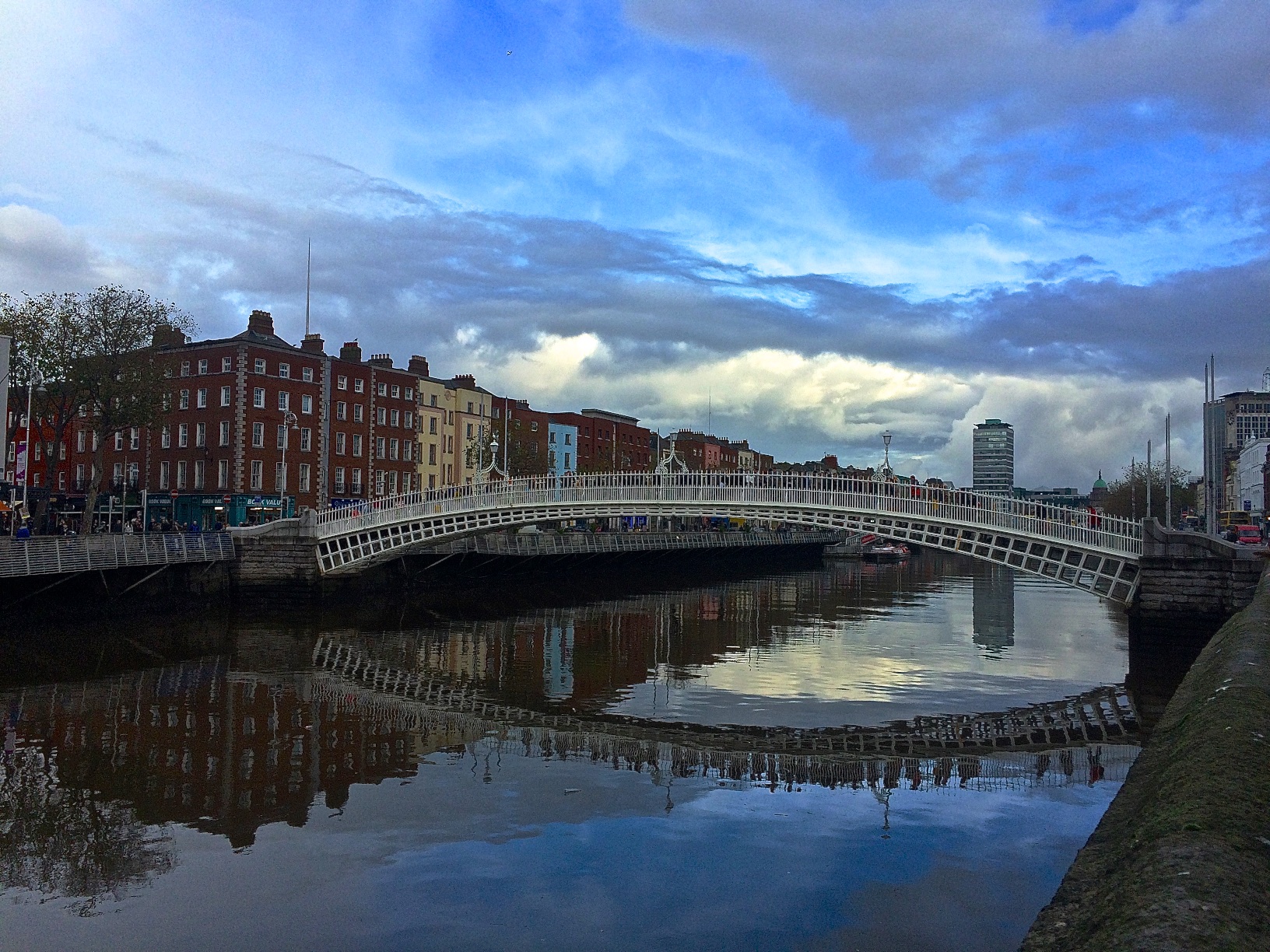
11. Ha’penny Bridge

Favourites 11

I took this during a day trip to Dublin in October. It captures many of its iconic structures quite well, I think.

12. Belvelly Castle

Favourites 12

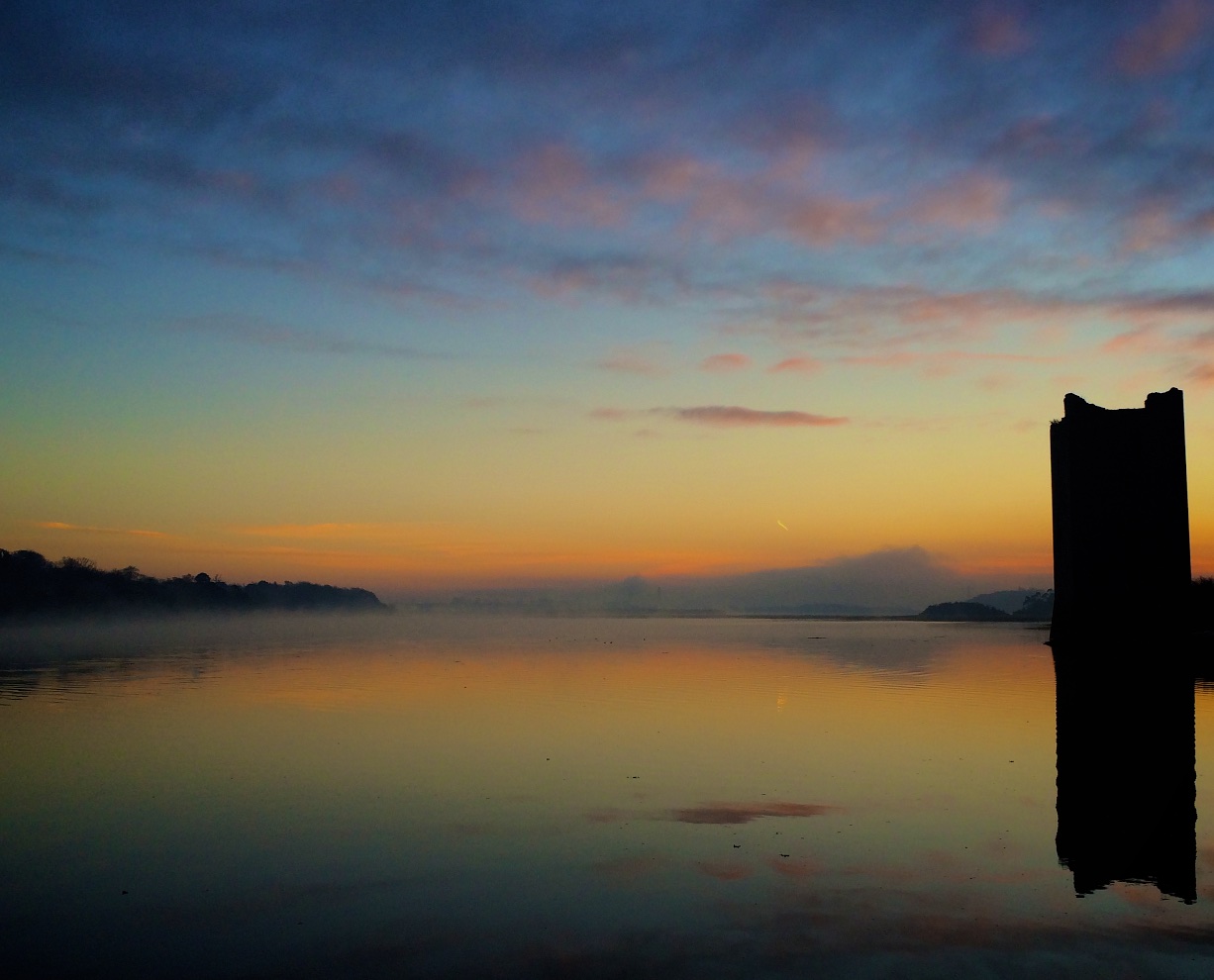
I won’t forget the 26th of November too quickly. I had taken a few days off work and I rose early to discover a fog-shrouded landscape. What followed were some of my favourite photographs of the year. This one was taken from Belvelly Bridge near Fota Island.

13. Midleton Estuary

Favourites 13

After Cobh, I drove to Midleton, where I came across this scene. My parents had a painting at home that reminds me of this photo.

14. Castlemartyr Resort

Favourites 14

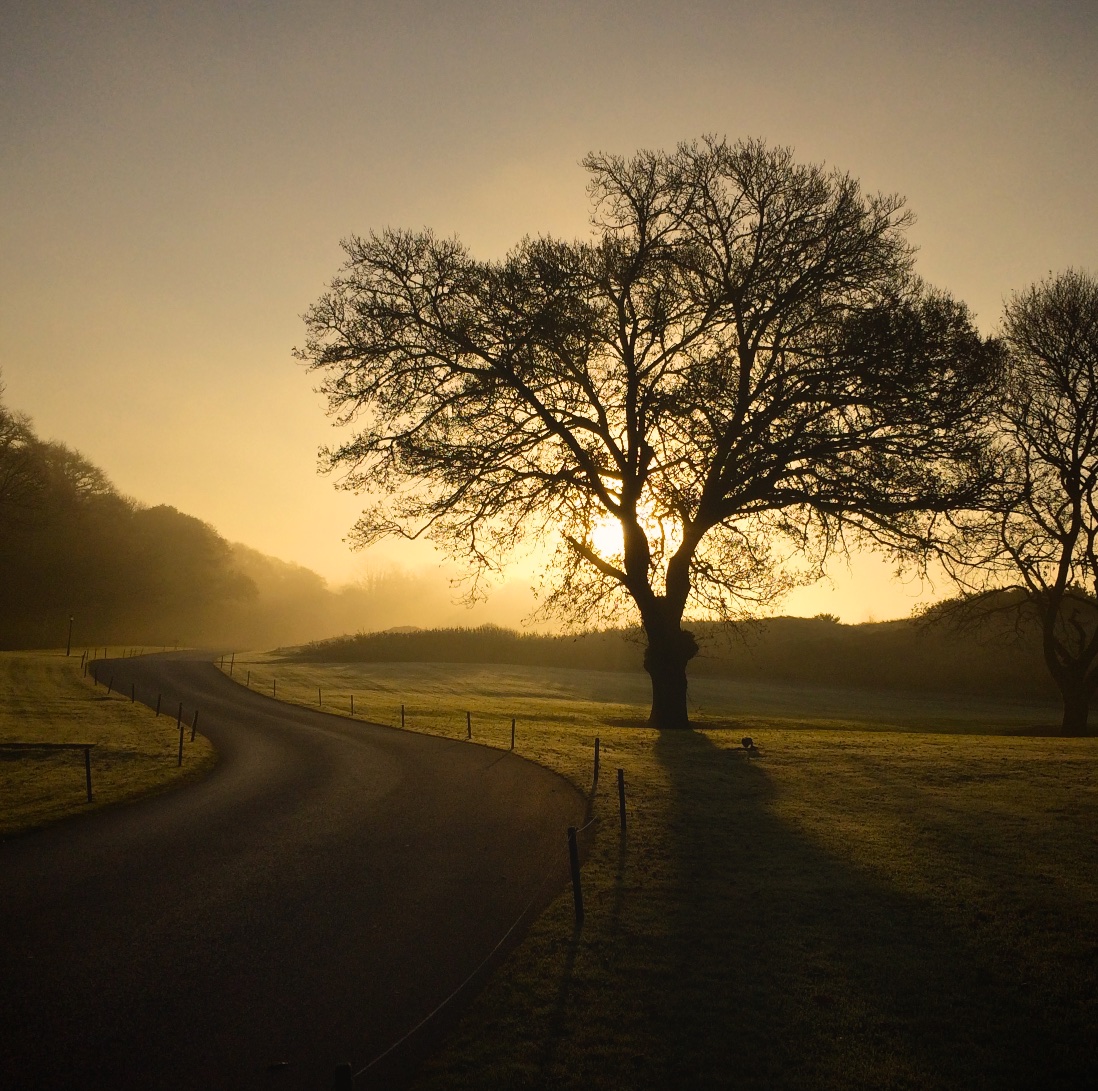
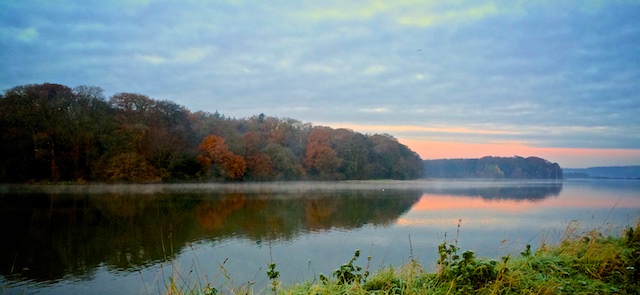
Then on to Castlemartyr Resort, where I took this photo as the sun was rising. Sometimes, you are just in the right place at the right time.

15. Little Spider

Favourites 15

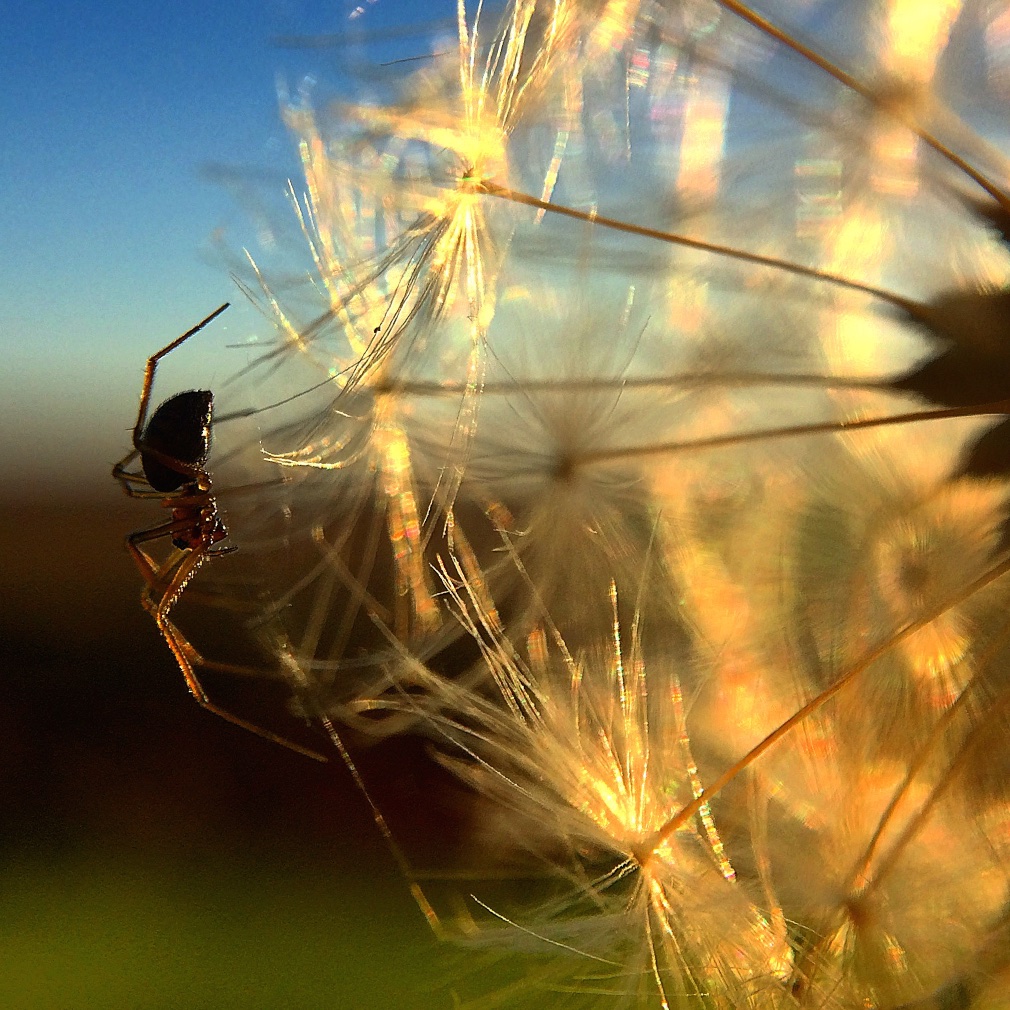
After buying a macro lens for my iPhone in late November, I came across this little fellow climbing around a dandelion clock.

16. Dawn by the Lee

Favourites 17

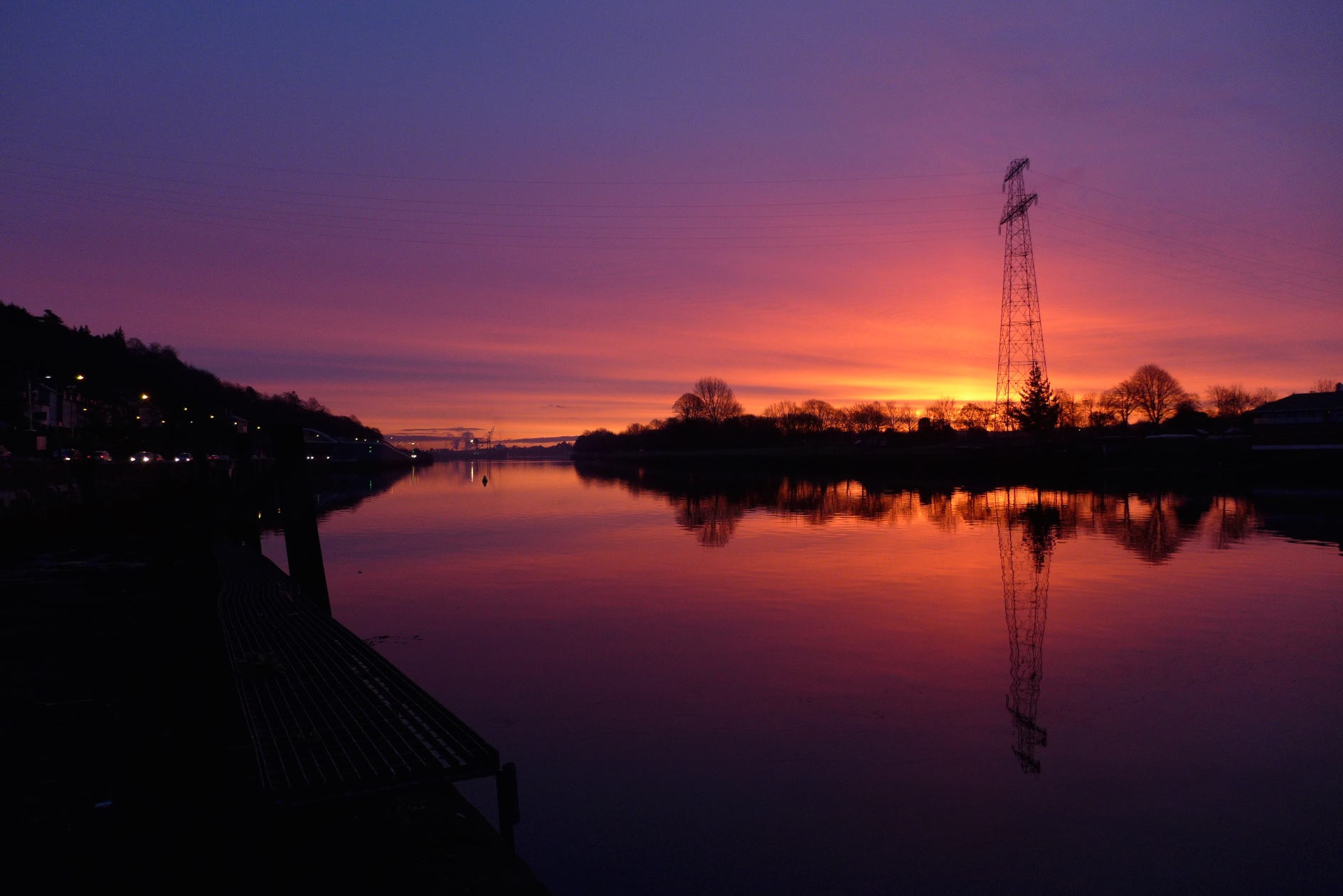
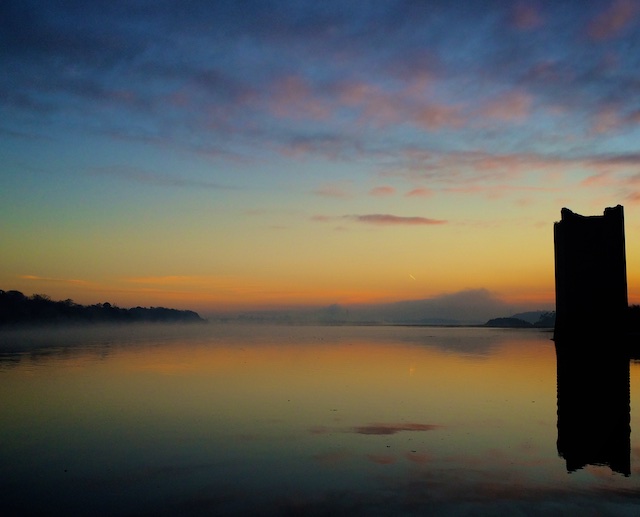
This photo is from the 16th of December, taken during my morning commute. Though the sun had not yet risen, I just had to stop my car and start snapping.

17. Running Along

Favourites 18

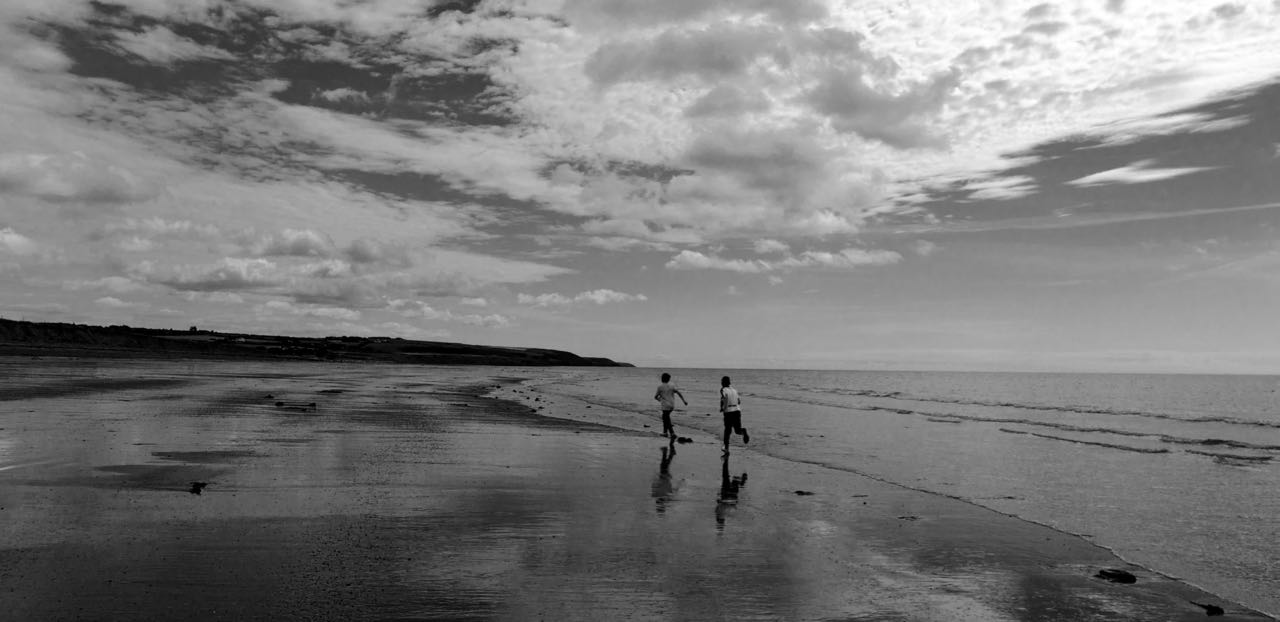
I took this photo on Garryvoe beach just yesterday. It’s like the boys are running from a nuclear explosion.

18. Ballycotton Island

Favourites 19

Taken just this morning, this photo again saw me leaping out of my car. The sun was perfectly positioned over Ballycotton Island. Just glorious.

If any of you are interested, I post regularly to Instagram, and less often to Flickr. Maybe I’ll see you there.
2015 Anniversaries

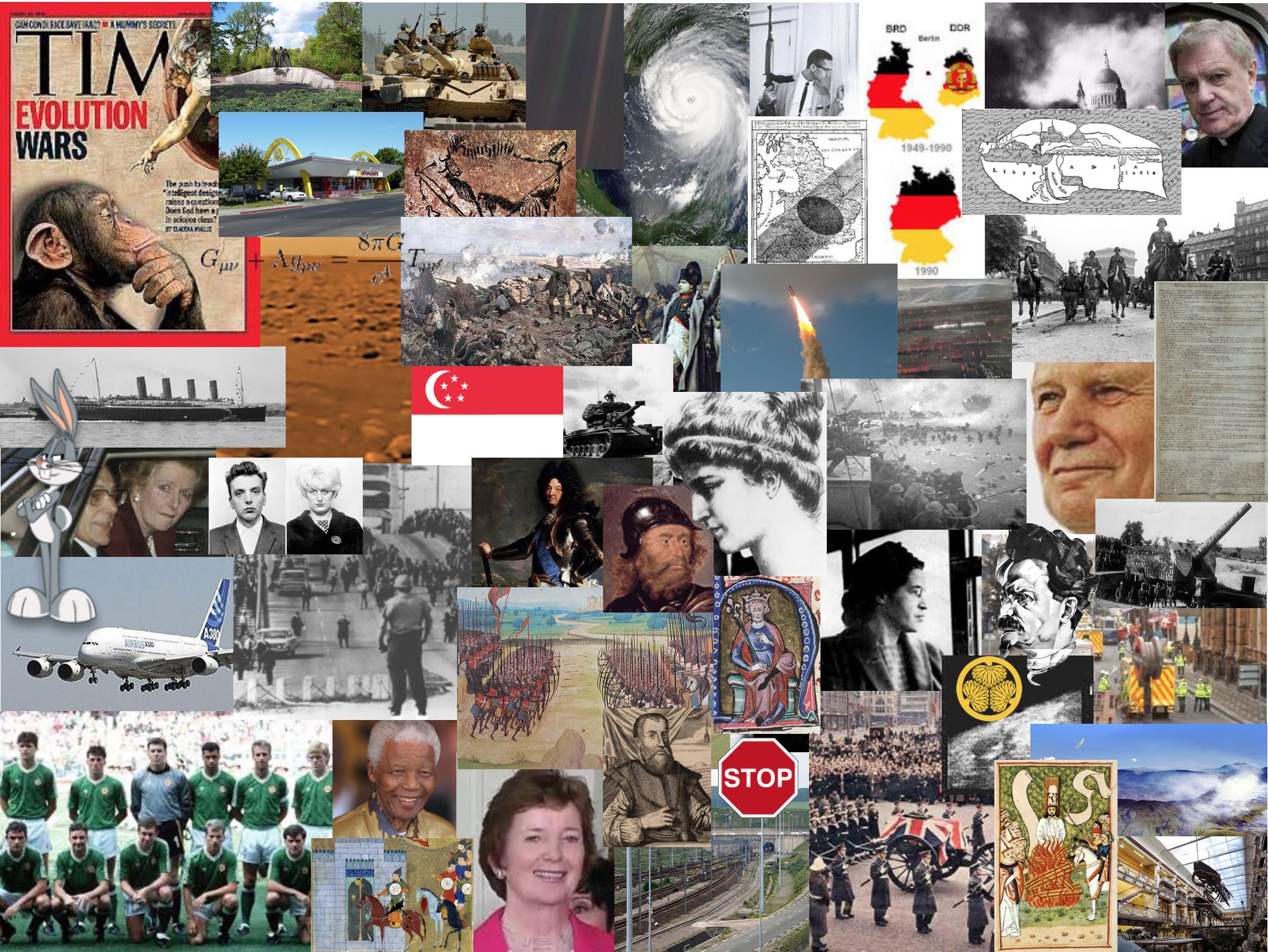
Ten Years Ago (2005): Hurricane Katrina slams into New Orleans, prompting unprecedented chaos and mass evacuation. The Cassini-Huygens probe landed on Saturn’s moon, Titan. Death of Pope John Paul II. Death of Rosa Parks. The A380 “superjumbo” makes its first flight. London awarded the 2012 Olympic games. The following day, a terrorist attack in the London Underground kills 52 people. Further terrorist bombings take place in Iraq, Bali, New Delhi, the Lebanon and Jordan. The Ferns Report into clerical child abuse, is released. The Kitzmiller vs Dover lawsuit deals a huge blow to Intelligent Design proponents in the US.

Twenty Five Years Ago (1990): West Germany and East Germany are reunified into a single state. Nelson Mandela is released from imprisonment in South Africa. The “Pale Blue Dot” photo is taken by Voyager 1. The Hubble Space Telescope is launched. The Republic of Ireland reaches the quarter finals of the Italia ’90 World Cup. Death of Jim Henson. Iraq invades Kuwait, triggering the first Gulf War. Mary Robinson becomes President of Ireland. Margaret Thatcher steps down as UK Prime Minister. The Channel Tunnel connects Britain to mainland Europe.

Fifty Years Ago (1965): Death of Winston Churchill. Assassination of Malcolm X. American combat troops arrive in South Vietnam. Civil Rights activists, lead by Martin Luther King, march from Selma to Montgomery, Alabama. Mariner 4 takes close-up photos of Mars for the first time. Singapore becomes a sovereign country. Death of Stan Laurel. Ian Brady and Myra Hindley arrested for the Moors Murders.

Seventy Five Years Ago (1940): Nazi Germany invades Denmark and Norway, then Luxembourg, the Netherlands, Belgium and France. British forces abandon mainland France through Dunkirk. British cities and towns suffer through the Blitz. Thousands of people are killed by the Soviets in Katyn, Poland. The Soviet Union annexes the Baltic States. Tom and Jerry, Bugs Bunny and Woody Woodpecker make their screen debuts. First ever MacDonald’s restaurant established in California. Leon Trotsky is killed. The Lascaux cave paintings are discovered. John Charles McQuaid is consecrated Archbishop of Dublin.

One Hundred Years Ago (1915): The RMS Lusitania is sunk by a German U-boat off the coast of Cork, killing 1,198 passengers and crew. The Second Battle of Ypres is fought. Poison gas deployed on the front for the first time. The Allies engage Turkey in the Gallipoli Campaign. Albert Einstein formulates his General Theory of Relativity. The Stop Sign makes its debut in Detroit. Death of Joseph O’Donovan Rossa, founder of the Fenians.

Two Hundred Years Ago (1815): Napoleon Bonaparte escapes Elba and quickly re-takes France. He is defeated in the Battle of Waterloo and exiled to St. Helena. His exile ends 30 years of hostilities between Britain and France. Mount Tambora erupts in Indonesia: it is the greatest volcanic eruption in modern times. Foundation of the National History Museum in Dublin.

Three Hundred Years Ago (1715): The Sun King, Louis XIV of France, dies of gangrene in Versailles, after a reign of 72 years. A solar eclipse passes over London; the last to do so for 700 years. Beginning of the first major Jacobite rebellion in Scotland.

Four Hundred Years Ago (1615): The Tokugawa Shogunate successfully besieges Osaka Castle in Japan, commencing a period of unopposed rule that would last almost 250 years.

Five Hundred Years Ago (1515): The city of Havana in Cuba is founded by Conquistador Diego Velázquez de Cuéllar.

Six Hundred Years Ago (1415): The English defeat the French in the Battle of Agincourt. Pope Gregory XII resigns – the last pope to do so until Pope Benedict XVI in 2013. A brutal precursor to the Protestant Reformation when Bohemian reformer Jan Hus is tried and burned at the stake in Konstanz.

Seven Hundred Years Ago (1315): The Great Famine of 1315 begins, killing up to 25% of the population across Western Europe. The Scottish, under Edward Bruce, invade Ireland. Large parts of Ireland are devastated in the subsequent campaign.

Eight Hundred Years Ago (1215): King John of England agrees to the Magna Carta, establishing common rights and placing subsequent monarchs under the rule of law. Genghis Khan’s Mongols capture and destroy the city of Beijing.

One Thousand Years Ago (1015): King Canute of Denmark invades England. The following year, he became King of England.

One Thousand Six Hundred Years Ago (415): A Christian mob murders Hypatia of Alexandria, a famous mathematician and philosopher.

Two Thousand Years Ago (15 AD): Strabo completed the draft edition of “Geography“: a 17 volume description of the known world at the time.

I will let you into a little secret of mine. Every night, when I lie in bed, tucked under the duvet, I imagine myself flying a spacecraft to the stars. The craft is accelerating at relativistic speeds, often surpassing the speed of light as it heads out into the wider universe. It’s automatic, it’s comforting and it helps me fall asleep.

I’m sure many of us have similar mental rituals. Indeed, when I think about it, life is dominated by rituals that give us pleasure. What is our devotion to football, music and any of a million other pastimes and activities, but a kind of strange ritual? There is nothing life changing or cataclysmic about any of them – indeed from the outside they might seem a bit pointless and crazy – but without them life would be colourless. We need these regular indulgences.

Our brains seem to relish the familiar. Neural pathways, once laid down, are nourished by repeated use. Psychologists talk about “confirmation bias” – our tendency to absorb only that which appeals to us. But it’s much more than that. This comfort with the safe, the known and the well understood: it’s an essential part of our being.

Prayer is no different. For many, there is a comfort to be found in repeated recitations of the Our Father and the Rosary, or for others, the Islamic, Buddhist and Hindu chants. But there is something else about prayers that make them so compelling.

“To thee do we send forth our sighs,

Mourning and weeping in this valley of tears”.

The Salve Regina (aka “Hail Holy Queen”) is a thousand year old Catholic prayer. It speaks of a time when hardship was everywhere. Disease, brutality, avarice and accident could take everything away in seconds. If reality was so miserable, then why not accept a glorious fantasy? With a readymade industry of clerics and theologians willing to hone and interpret the myth (and punish non-belief), compliance would have been irresistible.

Reality is not so terrifying for many people nowadays. Medicine, law, technology and political reforms have made life vastly more tolerable. Religion has become optional, if not thoroughly second-rate. It’s not the only source of comfort anymore – instead we can indulge our passions, listen to music, play video games or surf the Internet. We are less dependent on heavenly promises to help us get through life.

I’m an atheist. For me, these old stories are no more realistic than Harry Potter. But nevertheless, I wonder how my worldview would have been shaped had I been born to a life of oppression and drudgery, where the pleasures I take for granted were not easily available?

There are plenty of people living lives devoid of freedom, security or hope. All they have are their prayers. We atheists need to understand this. It’s not enough to tell such people they are living a delusion if we cannot demonstrate alternative – and realistic – routes to fulfilment and mental health. Indeed, if prayer is the only comfort they have, who are we to deprive them even of this? We need to address the underlying causes.

Until then? Religion is here to stay.

Broken Glass Pieces  by Jes Reynolds (CC Licenced, Flickr)

Broken Glass Pieces
by Jes Reynolds
(CC Licenced, Flickr)

Every so often, Facebook posts arrive, claiming that life was better in the old times. Kids were far freer. Parents were less protective. Kids spoke to each other and were not constantly absorbed by video games or hooked into their iPods and iPhones.

While I am not necessarily disputing these claims – life has changed without doubt – I think there is a great risk of over-sentimentalising the past, particularly when it comes to child safety.

In decades gone, we as kids could roam the neighbourhood as we wished. We had no use for seatbelts in cars and we would often sit in the front passenger seat. There was less protection in field sports and if you got hit you wore it as a badge of honour. We all got measles and mumps and it didn’t do us any harm. Or parents and teachers slapped us for disobedience and that didn’t hurt us much either. We could run in the schoolyards and disputes were sorted out by fights at the back of the tennis courts.

That we survived such childhoods relatively unscathed is not an indication of things being better back then. These stories merely tell us that we were lucky. There are kids, largely unknown to us, who did get lost or injured on their adventures away from home. There were kids killed and maimed in bad car accidents (which, incidentally, were 4 times more frequent in the 1970s). The same went for sports injuries and fights. We have forgotten the children who suffered lifelong injuries and even death, from contracting the measles. Some kids suffered dreadfully from classroom and domestic violence. These kids were not as lucky as we were.

Our much derided health and safety culture has made life much safer for our kids. Many of the safety measures we deride as “health and safety gone mad” had real life tragedies underlying them – tragedies that could have been prevented, given a little foresight. Life really wasn’t as safe for us back then. Just because we didn’t die or receive grave injuries is no excuse for action. We can’t use our own fortunate happenstance as an argument that things were better. The wider picture tells a different story.

Cork Harbour is often described locally as “the second largest harbour in the world”. For a long time, I’ve been somewhat sceptical of this claim, so I decided to compare its size to other harbours using the MAPfrappe website. With this website, you can quickly compare locations with other sites around the world. I used it a while ago to compare well known islands to Ireland.

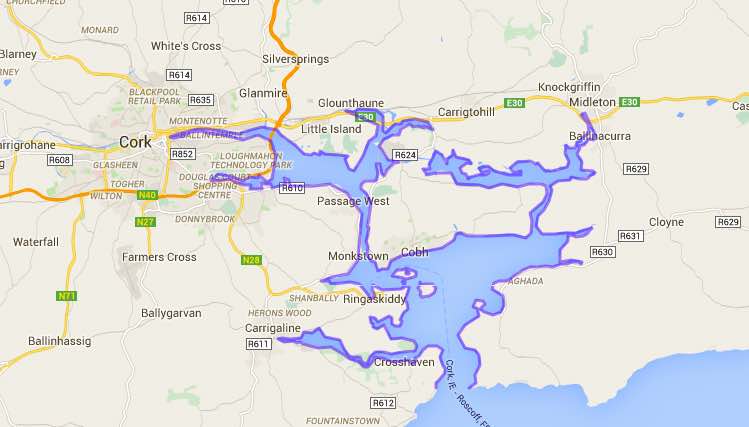
First of all, here is Cork Harbour. It’s a natural harbour, dominating a region of 22 km  x 16 km east of Cork City. A very rough estimate of its water-surface area is about 70 sq km, although I am open to correction on this. The land area in the centre is Great island, home to the town of Cobh and connected to the mainland by two bridges, one road, one rail. Less than two kilometres separate the headlands as it meets the sea, making it by any reckoning, a fine, strategically important natural harbour. Its considerable depth in many places allows large ocean going vessels – tankers, container ships and liners – to enter and depart with ease.

CH - Cork Harbour

It’s a beautiful, impressive and fascinating area, full of history and natural beauty. But is it one of the biggest in the world?

According to Wikipedia, its rivals are Sydney Harbour, Halifax Harbour in Nova Scotia and Poole Harbour in Dorset. Let’s see how they compare.

Poole Harbour, Dorset UK

Poole Harbour, UK

Aw look. How cute. Cork Harbour (silhouetted like a horned monster petitioning mariners just outside) wins this one. Poole, incidentally, also thinks of itself as one of the largest natural harbours in the world. I hate to break it to you, guys.

Halifax Harbour, Nova Scotia

Halifax Harbour

Cork harbour wins this one too, even if you were to be generous and start at McNabs island.

Port Jackson / Sydney Harbour, Australia.

Port Jackson

Y’know, I was surprised at this one, because most Corkonians will gladly concede that Port Jackson is larger. It doesn’t look like it here. The main open water areas are at least comparable.

After, these three, the assessment is.. maybe. But then, are there not other spaces that could  rival Cork in size? New York, San Francisco or Rio perhaps?

New York City

New York City

It’s close. Very close. I’d nearly give New York Harbour the edge. Interestingly, the mouth – Verrazano Narrows – is so similar in size to Roches Point / Crosshaven we should really have our own suspension bridge, just for the crack.

Rio de Janeiro, Brazil

CH - Rio de Janeiro

Rio’s Guanabara Bay looks to me like a proper harbour and it’s clearly bigger than our own – in fact you could possibly fit the whole of Cork Harbour into it.

It gets worse.

San Francisco

San Francisco

Oh this is not good. Cork Harbour looks tiny. And they have a suspension bridge at the mouth of their harbour too.

Oh, and we forgot:

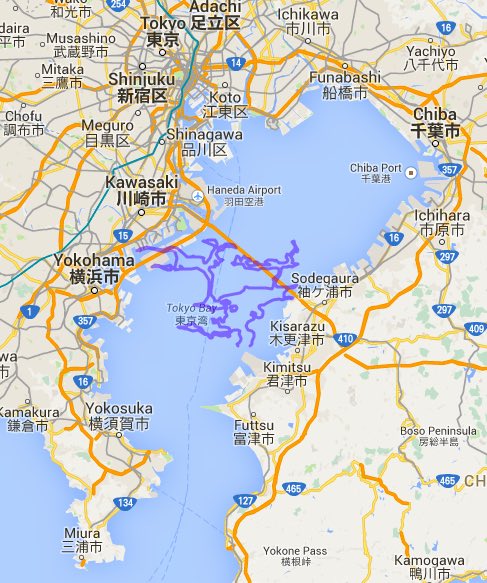
Tokyo

Tokyo

or:

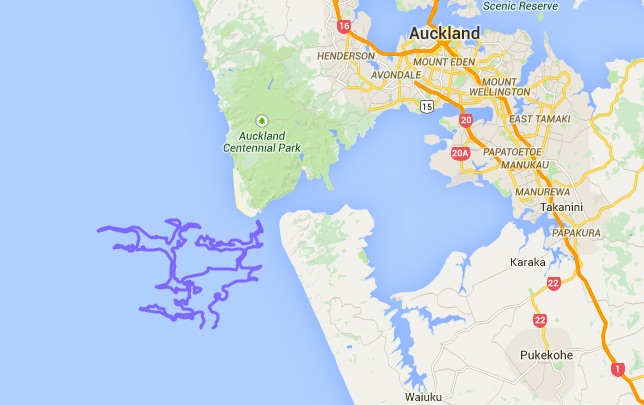
Auckland Manukau, NZ

Auckland Manukau

or, staying in New Zealand:

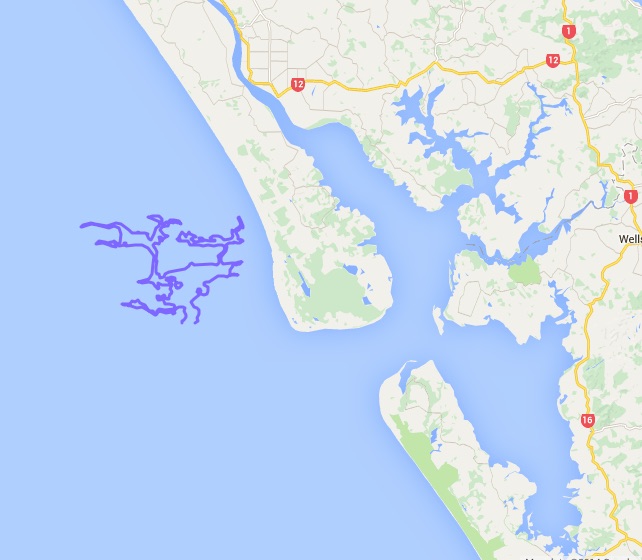
Kaipara Harbour, NZ

Kaipara Harbour, NZ

Whoa. Still though, we’re big for Europe, right? Right?

I give you:

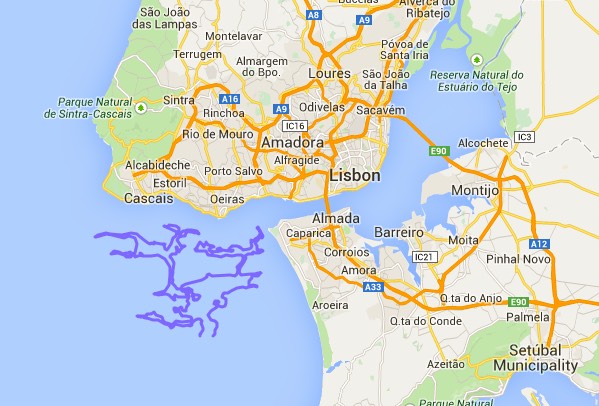
Lisbon.

Lisbon

and:

Brest

Brest

and finally,

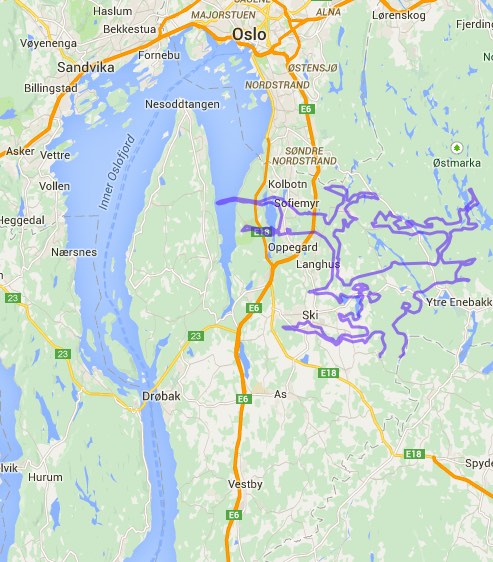
Oslo

Oslo

Folks, we need to take a long, good look at ourselves. Even if we are only the second largest harbour “by navigable area” (a claim I suspect given the sizes of Rio, San Fran and Tokyo, or we want to be pernickety about what harbour really means, we have to content ourselves that the claim “2nd Largest Harbour in the World” is dodgy. Seriously dodgy.

Still beats Dublin, though.

We were treated to a wonderful morning a few days back. Fog and frost covered the fields, the rivers and the hedges. All was quiet. Armed only with an iPhone and Instagram, I visited a few beauty spots and took some photos. Some of them had a good reaction on the Internet, so I have reproduced them here, going back to the originals and seeing if I could improve on them.

View from Belvelly Bridge

View from Belvelly Bridge

Belvelly Castle, Great Island, Co. Cork.

Belvelly Castle, Great Island, Co. Cork.

Fortified House, Ballyannan, Midleton, Co. Cork.

Fortified House, Ballyannan, Midleton, Co. Cork.

Estuary, Ballyannan, Midleton, Co. Cork.

Estuary, Ballyannan, Midleton, Co. Cork.

Midleton, Co. Cork.

Midleton, Co. Cork.

Castlemartyr Resort, Co. Cork.

Castlemartyr Resort, Co. Cork.

Castlemartyr Resort, Co. Cork.

Castlemartyr Resort, Co. Cork.

A STATEMENT FROM Catholic bishops that it would be a “grave injustice” for instant porridge to be sold in supermarkets is being distributed parishes all around Ireland.

A document entitled “The Meaning of Porridge” argues that, “Porridge provides for the continuation of the human race and shur, aren’t there lots of poor craturs in Africa just dying for a bit of Flahavans”? They argue that “to redefine the nature of porridge would be to undermine it as the fundamental breakfast cereal of our society” and that “Children have a right to natural breakfast cereal, not that icky unnatural instant stuff or, heavens preserve us, Coco Pops”. 

The statement outlines the Irish Catholic Church’s definition of what it considers to be “real” porridge, backed up by strict biblical interpretations, i.e. when Lot’s wife was turned into a pillar of salt when she looked back at Odlums and Gomorrah.

Launching the document today at Saint Patrick’s College today, Bishops Liam MacDaid and Kevin Doran said that the document was prepared in the context of the upcoming referendum on the state recognition of instant porridge. “Porridge is, of its nature, a wonderful breakfast meal eaten by both men and women throughout the country. Whoever heard of men making porridge? That’s a woman’s job.” Doran claimed.

“Won’t someone think of the children?” MacDaid spluttered. “Next thing they’ll be sowing their wild oats all over the place. And then we’ll have instant toast and instant marmalade all sorts of feckin’ abominations”.

A new advertising campaign “Hello Ready Brek, Goodbye Eternal Happiness” is planned to shock the faithful into siding with the Bishops.  

This article has been stolen from The Journal.ie and unmercifully mangled into something altogether different, less expensive and tastier. I mean, do you want same-sex marriage instead of porridge for breakfast? Do you? Ha. I thought not.

I want you too forecast the weather on the 21st of May next year. 2015. Off you go.

The options are quite few. Sunny, cloudy, rainy, showery, windy. Snow? Not so much. We’re talking about May after all.

Ken Ring predicted snow in May last year. Furthermore, he predicted regular quantities of snow for every month leading up to May. According to Ken, the first months of 2014 in Ireland would be bitterly cold. As it happened, we barely got snow in January, not to mention the fact that our winter was mild, as winters go. What’s worse, he failed to predict the intense winter storms of 2014. As predictions go, Ring’s analysis was well of the mark.

Here’s the thing. If the options are relatively few, then there is a good chance that some of your predictions will turn out correct. Even if you guess at random, you won’t get everything wrong. Sometimes you will predict sunshine, and you’ll be right. Ken Ring, who is wont to make a huge number of predictions, knows this very well. He’s made a career from crowing about his correct answers, all the while expecting that few people will call him out for getting it wrong. If they do call him out, he’s got plenty of stock answers to give. “Forecasting is an inexact science”, “It was partially right”, “I was out by just a few days”, “it wasn’t quantity, it was regularity” – special pleadings that allow him wiggle room from what, ultimately, was just guesswork.

If one prediction can be excused, a whole year of them is more difficult to explain away. That’s what one Irish blogger has done – taking his predictions and scoring him on each one for accuracy. So far, at just over 26% (and that’s being generous), he’s not doing that well, and is well short of the 80% accuracy he claims to have.

Ken Ring was on the radio a few days ago (96FM Cork Opinion Line November 14) and as usual he captivated his audience by giving specific predictions at specific locations for days many months in the future. When I was listening to this, I wondered why this guy didn’t have the ears of every major weather forecaster in the world? I can think of two answers to this. Either he’s right and they’re too arrogant, stupid and/or conniving to listen to him, or he’s talking – how can I say this delicately? – ah yes – bullshit.

Weather forecasting is a critically important field, affecting our lives in all sorts of ways. Bad weather can cause financial hardship, destroy livelihoods, ruin economies and cost lives. Flooding, storms, droughts, freezes and heatwaves all cause damage, sometimes into the billions of dollars.  If we knew for certain that an enormous hurricane was going to roll across our city in 3 months time, imagine what could be done to save lives and protect homes and businesses. Who wouldn’t want better, more accurate forecasts? According to Ken, the world’s met offices don’t want them. Maybe they want to keep such fantastic knowledge away from the public? Maybe Big Weather is in league with Big Pharma or the CIA or whatever you are having yourself, to ensure governments and insurance companies are on the receiving end of huge damages claims? The mind boggles.

A little bit of scientific understanding tells us that the atmosphere is hugely complicated, and that errors, even in the best prediction models, get larger and larger over time. Five to seven days is the limit these days, and let’s face it – it’s not bad. Governments and agencies will continue to push back this envelope as much as they can, because ultimately it’s worth it. The science of weather forecasting has, er,  a bright future, so to speak.

It is reasonable, therefore, to assume that Ken Ring is not a great forecaster, but instead, a crank. The type of crank who thinks he’s Galileo because he thinks he’s stumbled across something amazing, yet nobody who cares about their credibility will listen to him. There was just one Galileo. Cranks who think they are Galileo, or Einstein, or Steven Hawking? Thousands and thousands. Just ask physics professors, who are sick to the teeth of receiving unsolicited and unreadable manuscripts from armies of lone geniuses.

It’s a pity Ken gets such publicity. Clearly he’s answering a desire in people to know what the future holds. In this way, he’s no better than a fortune teller or astrologer. What’s bigger the pity is that media organisations line up to listen to his words of wisdom, all the while discrediting real weather forecasting organisations. All they would need to do is to measure him by his predictions.

I want to talk about bad ideas and good ideas.

Bad ideas originate from many directions. They can be based on the convictions of so-called gurus – the L. Ron Hubbards, or the Andrew Wakefields of this world – whose insane teachings are cherished like nuggets of gold by their many advocates. They can be based merely on a distrust of officialdom, such as is evident in the comments of the New World Order zealots, or the many and varied conspiracy-theorists in our midst. They can arrive from wishful thinking, like belief in angels or the Loch Ness Monster, or the idea that ancient aliens founded cities on the planet long before we arrived. They can be based on literal interpretations of ancient scriptures, evident in fundamentalist interpretations of Islam and Christianity. They can capitalise on fear or feed ancient prejudices, leading to pogroms, slavery and racism.

Bad ideas are like viruses. They are most successful when they exploit the parts of our brain that deal with our strongest emotions – love, fear, joy, loss and hatred. In this way they can persist for generations. Superstitions, astrology, homeopathy, fairy belief, white power, anti-semitism and witch-hunting all have a long, inglorious provenance, but this alone doesn’t make them good ideas. Not one bit.

Bad ideas inhabit a twilight zone, bolstered up by groupthink, forgiven with generous excuses and defended by Byzantine forms of apologetics. When the emperor has no clothes on, attacking the small child becomes the order of the day.

Bad ideas hurt. They sometimes kill. Quack medical practitioners, their heads stuffed with bad ideas, can give advice that endanger their clients’ health. Unscrupulous charlatans can empty the bank accounts of the unwary as they offer them false hope about themselves and loved ones. Governments have gone to war based on bad ideas. Bad ideas cause world leaders to bluster and prevaricate while the world’s climate changes, decade by decade.

Good ideas, by contrast, originate from systems that expose ideas to reality. When ideas don’t work, they are jettisoned in favour of better ideas. Over time, the best ideas rise to the top. Practical trades, such as plumbing and bricklaying, have no time for bad ideas, because they simply do not work. The currency of these professions are good ideas – ones that have stood the test of time, that do what they are intended to do.

Good ideas emerge from science and engineering all the time. We put men on the moon due to a string of great, practical ideas. The computer on your lap, that phone in your pocket, that car you drive, the pacemaker keeping your father’s heart ticking – they all happened because people built good ideas upon good ideas upon good ideas – a solid pyramid of innovation.

Good ideas are hard to come by. Bad ideas are ten-a-penny. In medicine, bad ideas cost lives, so there is a continual search for ideas that have the potential to do great good – to extend the quality of our lives and ease suffering. We’re still not there but each year a few new useful ideas are discovered. In the end, that’s a positive, hopeful story.

We look at race relations differently. We look at human rights and animal rights differently. We look at gender relations and sexuality differently – not because they are the faddish thing to do, but because they concur with objective reality. They match with how things really are when they are put to the test.

I understand the danger of bad ideas. I greatly value good ideas. And that is why I am a sceptic.